A half-century of conservation science got it wrong. For 50 years, researchers blamed Native Hawaiians for hunting waterbirds to extinction. A new study from the University of Hawaiʻi at Mānoa published in Ecosphere overturns that narrative entirely—and the implications could reshape how conservation happens across the Pacific.
The research team found no scientific evidence that Indigenous People overhunted waterbirds into extinction. Instead, they point to climate change, invasive species, and shifts in land use as the real culprits. Many of these pressures arrived either before Polynesian settlement or after traditional Hawaiian stewardship of the islands was suppressed by colonization.
What makes this finding especially significant is what it reveals about science itself. "So much of science is biased by the notion that humans are inevitable agents of ecocide," says Kawika Winter, associate professor at UH Mānoa's Hawaiʻi Institute of Marine Biology and co-author of the study. "This idea has shaped the dominant narrative in conservation, which automatically places the blame for extinctions on the first people—the Indigenous People—of a place."
We're a new kind of news feed.
Regular news is designed to drain you. We're a non-profit built to restore you. Every story we publish is scored for impact, progress, and hope.
Start Your News DetoxThat bias mattered. For generations, Native Hawaiians absorbed the blame for ecological loss while being excluded from the conservation decisions meant to fix it. As Ulalia Woodside Lee, executive director for The Nature Conservancy in Hawaiʻi, notes: "This has contributed to a breakdown in trust between the Hawaiian community and conservationists."
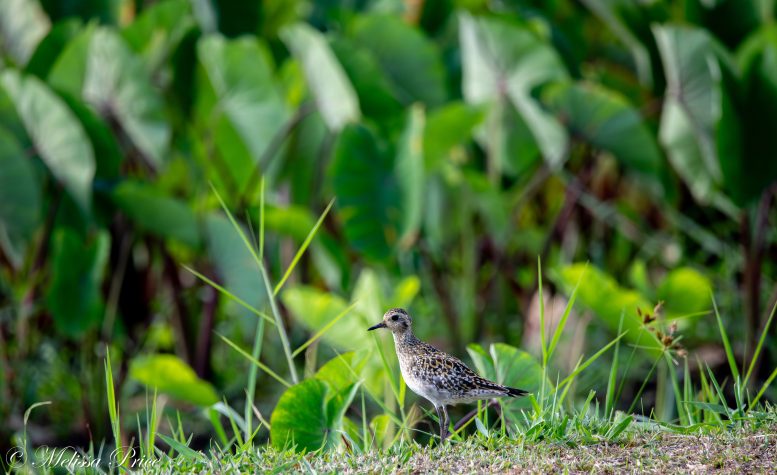 Kōlea (Pacific Golden Plover) at He'eia National Estuarine Research Reserve. Credit: Melissa Price
What this means for endangered birds
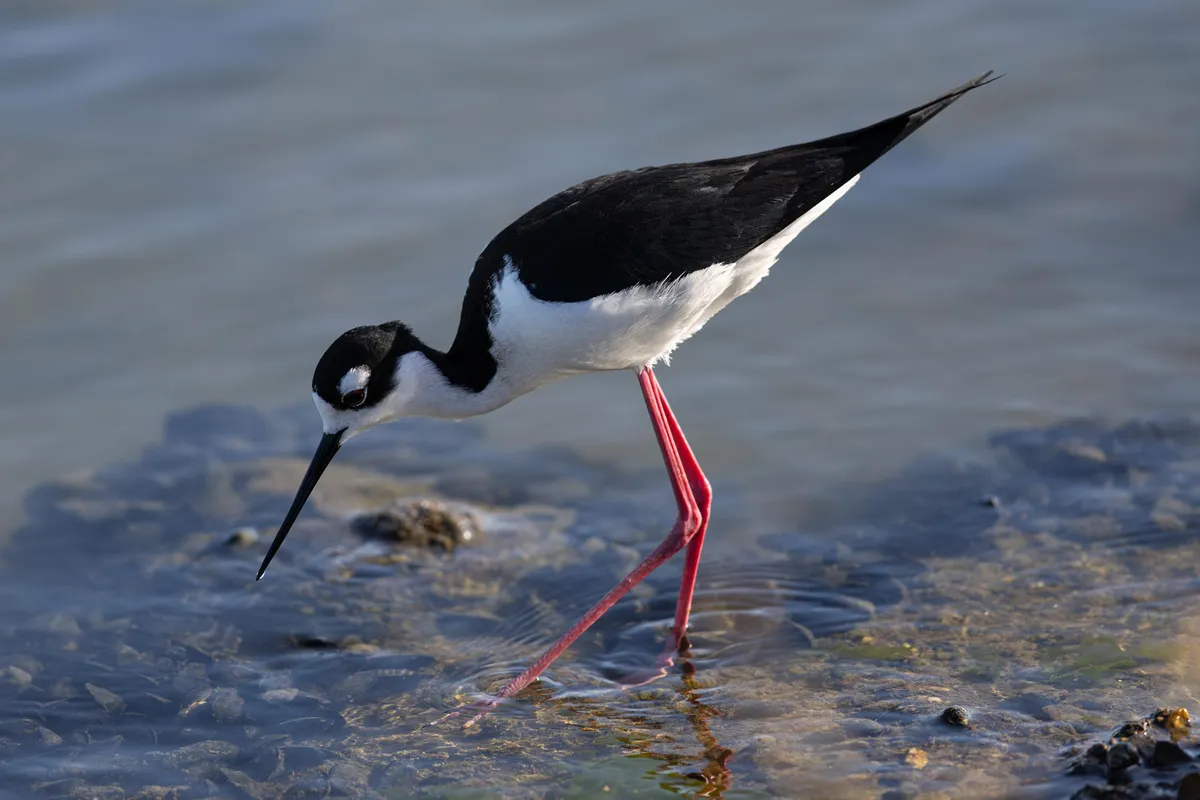
The study also found something hopeful buried in the data: several waterbirds now considered endangered—including ʻalae ʻula (Hawaiian moorhen) and ʻaeʻo (Hawaiian stilt)—likely thrived in greatest numbers just before Europeans arrived, during an era when wetland management was central to Kānaka ʻŌiwi society.
That's not coincidence. Recent research supports what Hawaiians have always known: restoring loʻi (traditional wetland agro-ecosystems) brings these waterbirds back. Melissa Price, who runs the Wildlife Ecology Lab at the University of Hawaiʻi, puts it plainly: "If we wish to transform our islands from the 'Extinction Capital of the World' into the 'Recovery Capital of the World,' we need to restore relationships between nature and communities."
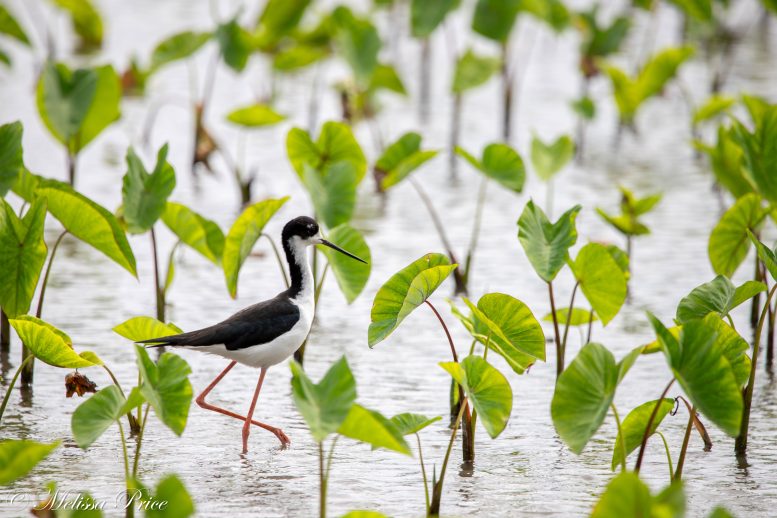 Aeʻo (Hawaiian Stilt) at He'eia National Estuarine Research Reserve. Credit: Melissa Price/UH Manoa
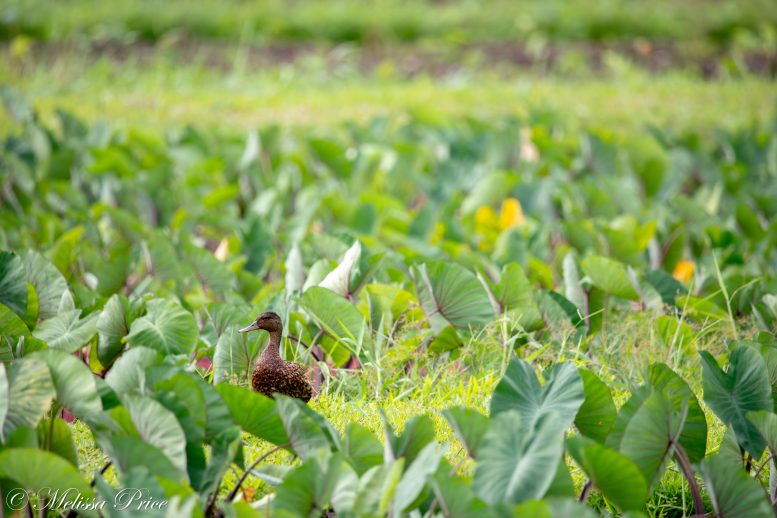 Koloa Maoli at He'eia National Estuarine Research Reserve. Credit: Melissa Price
The practical shift is already underway. This research gives conservation efforts in Hawaiʻi permission to center Indigenous knowledge and leadership instead of working around them. It also offers a template for other island ecosystems and Indigenous communities facing similar misrepresentation in their own conservation histories. The birds didn't disappear because of who arrived first. They disappeared because of what happened after—and they can come back if we listen to the people who know how.