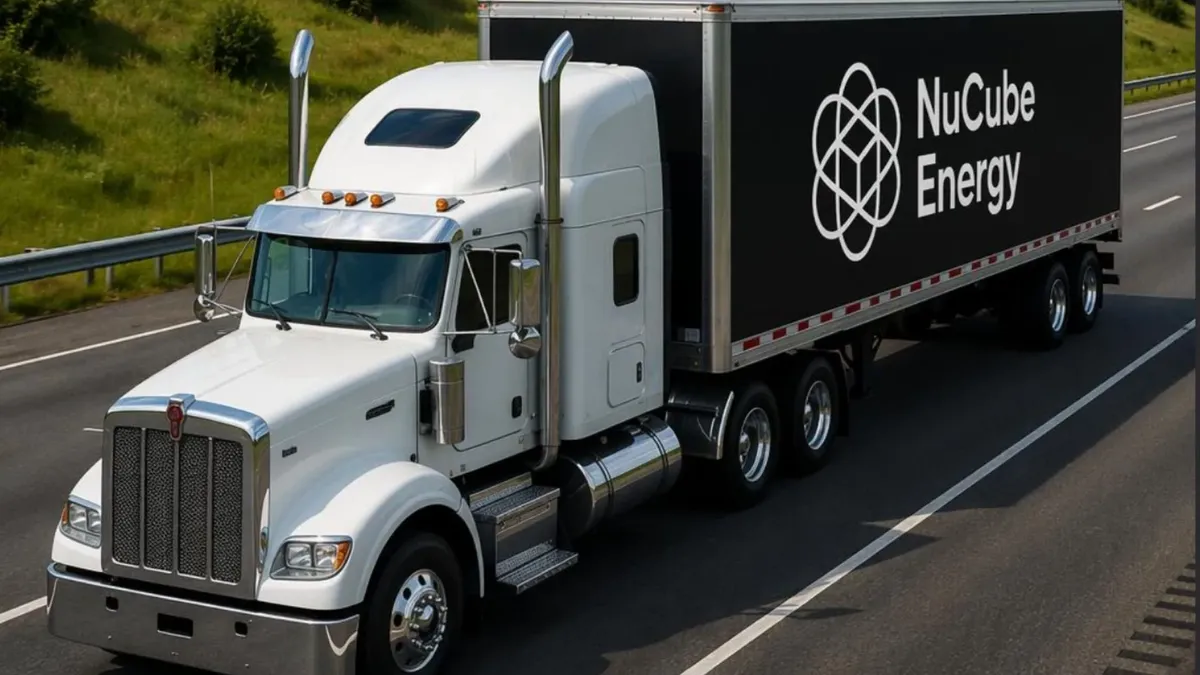
Imagine a nuclear reactor that doesn't need giant pumps to keep its cool. Instead, it relies on something called "heat pipes" – basically, super-efficient thermal highways – to move blistering temperatures around. That's the core idea behind NuCube Energy's microreactor, and they're teaming up with Canadian Nuclear Laboratories (CNL) to prove it can handle the heat.
Specifically, they're pushing these heat pipes past 1,652°F (900°C). Because if you're going to build a pint-sized nuclear powerhouse, you want to be absolutely certain your cooling system isn't going to spontaneously combust. The goal is to gather enough data to validate NuCube's computer models and grease the wheels for future licensing. Because, you know, nuclear reactors.
The Coolest Way to Stay Hot
Traditional nuclear reactors are all about intricate pump systems to circulate coolant. NuCube's design, however, is trying to simplify things. Their heat pipes shuttle heat from the reactor core right to the power-conversion system. Fewer moving parts means fewer things that can go wrong, which is always a plus when you're dealing with atoms splitting.
We're a new kind of news feed.
Regular news is designed to drain you. We're a non-profit built to restore you. Every story we publish is scored for impact, progress, and hope.
Start Your News DetoxThis isn't just about generating electricity. NuCube's tech aims for industrial-grade heat, up to 2,012°F (1,100°C). That's hot enough to replace the fossil fuels currently powering a lot of heavy industry. Think steel mills or chemical plants, suddenly running on something cleaner than coal.
This particular CNL project isn't about plugging a microreactor into your home grid next week. It's about a fundamental engineering question: Can we accurately predict how these heat pipes behave under conditions that would make most metals weep? The answer, they hope, is a resounding "yes, and here's the data to prove it."
NuCube's ambitions don't stop there. They're also working with Idaho National Laboratory on high-temperature heat exchangers and Argonne National Laboratory on making these reactors autonomous and remotely monitored. Because apparently, the future of energy involves a nuclear power plant you can check on from your phone.
Powering the Unreachable
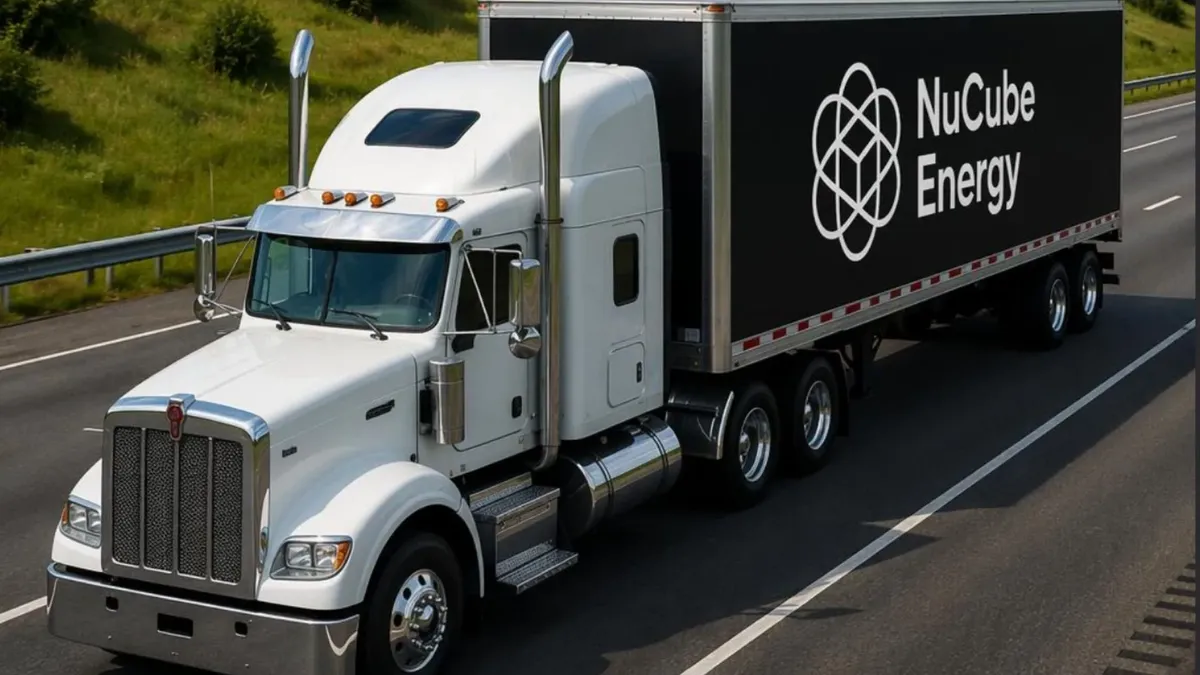
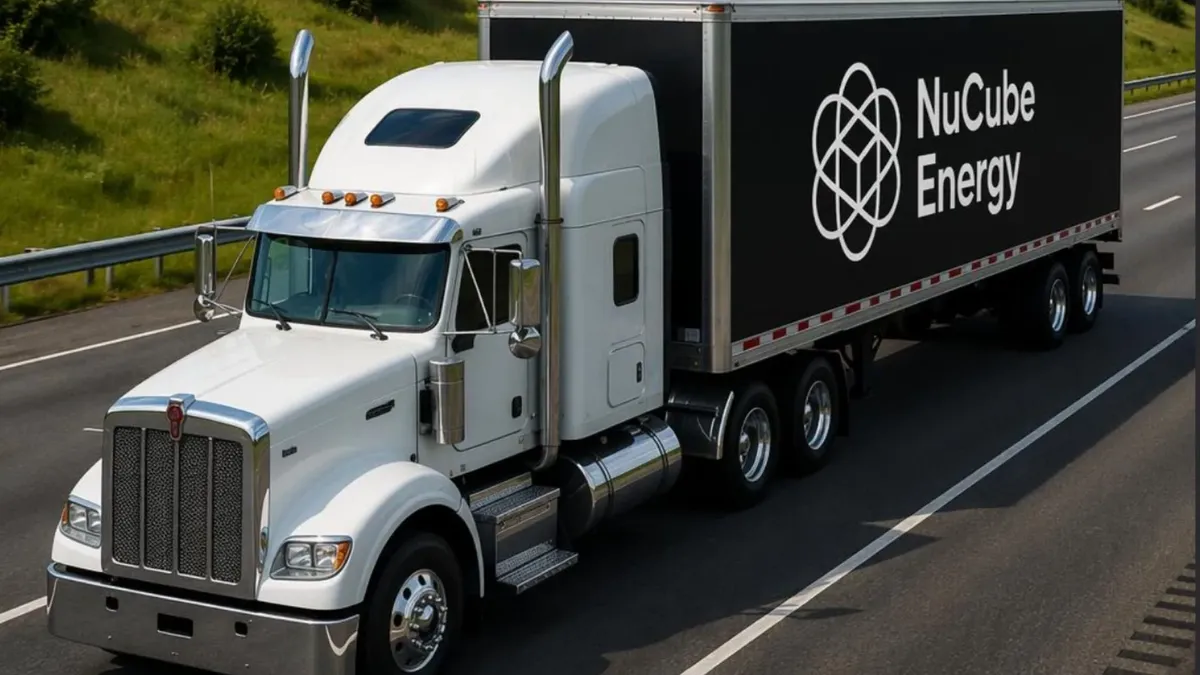
These aren't your grandpa's nuclear plants. NuCube is designing factory-built, transportable microreactors – the kind you could theoretically plop down in a remote mining operation or an off-grid community. They're aiming for up to 15 MW of power, running for seven to 30 years before needing a refuel. Let that satisfying number sink in.
Pending regulatory approvals, they even have an agreement with the Utah San Rafael Energy Lab to test one of these things in Orangeville, Utah. And if all goes well, NuCube might even become a publicly traded company, proving that even the most niche, high-temperature heat pipe research can make its way to Wall Street. Because apparently that's where we are now.