On Staten Island, the historic Alice Austen House now features a unique "Queer Ecologies Garden." This garden celebrates the life of Alice Austen, a pioneering queer photographer from the 19th and 20th centuries.
A Garden of Inclusivity
The Queer Ecologies Garden was created with the New York Restoration Project and students from the Pratt Institute. It is filled with plants that challenge traditional ideas about gender and sexuality. Many plants in the garden are non-binary or can change sex. This includes ferns and flowers that self-pollinate or have both male and female reproductive organs.
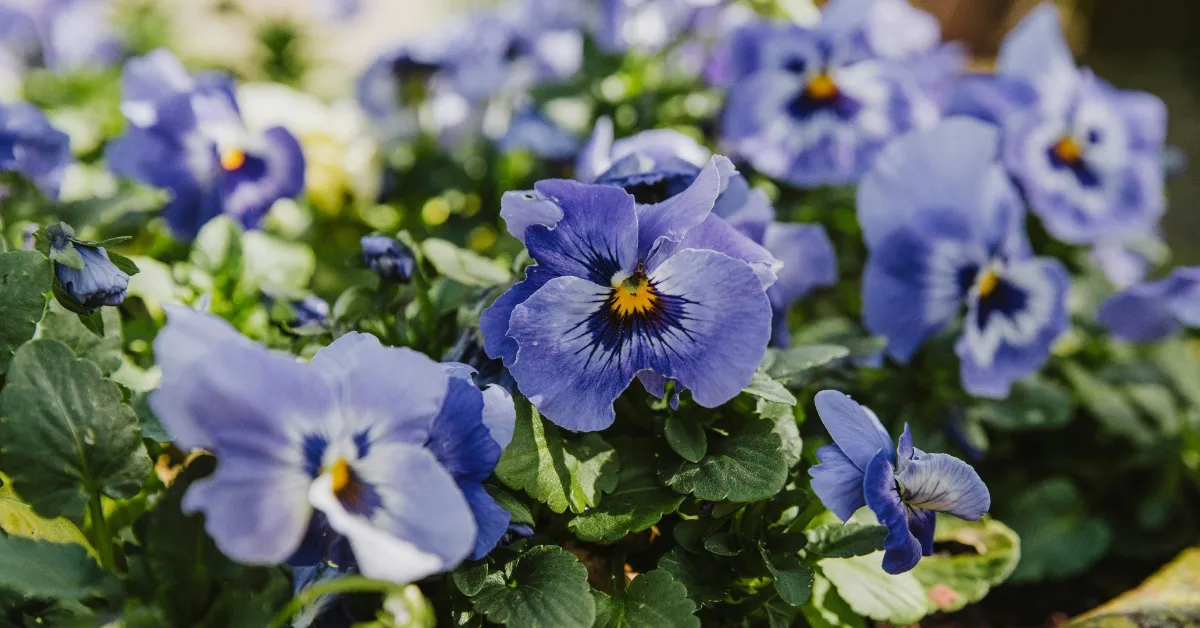
The garden also includes plants important to LGBTQ+ history, like violets and pansies. These flowers have long been symbols in the community.
We're a new kind of news feed.
Regular news is designed to drain you. We're a non-profit built to restore you. Every story we publish is scored for impact, progress, and hope.
Start Your News DetoxLocal school groups, especially gender and sexuality alliances, use the garden as a learning space. They participate in storytelling, photography, and volunteer gardening. These programs aim to encourage young LGBTQ+ people to explore careers in horticulture or ecology.
Ultimately, the garden provides a safe and beautiful space for the queer community.
Gardens as Safe Havens
The Alice Austen House explains that gardens have historically offered freedom and escape from hardship. In the 19th and early 20th centuries, when being homosexual was illegal, gardens often served as secret meeting spots for queer people to connect and express themselves.
Gardens allow for self-expression and creativity. Queer individuals can explore their identity through gardening, art, and other creative outlets. These spaces have brought queer people together to form communities, share experiences, and support each other.
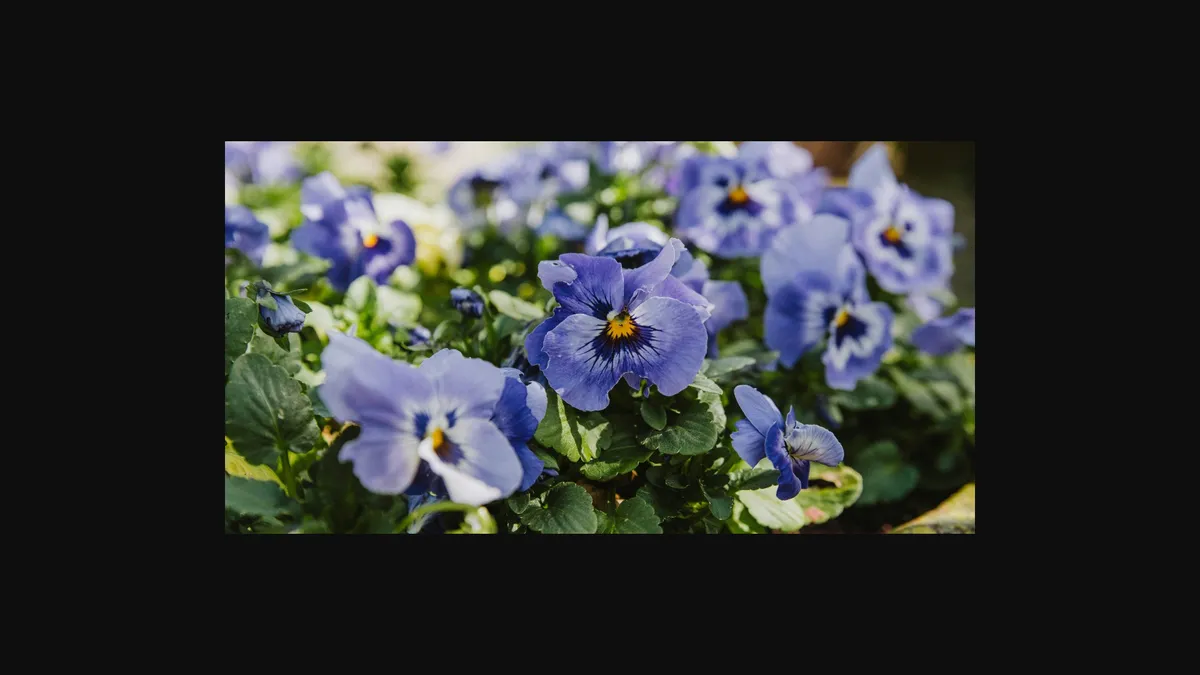 Photo courtesy of Alice Austen House
The Alice Austen House, its park, and gardens are recognized as nationally significant LGBTQ+ sites. This honors Alice Austen and her partner, Gertrude Tate, who lived there for 30 years. Austen also founded the Staten Island Garden Club and often used her garden as inspiration for her photography.
The Alice Austen House hopes the garden will be a gathering place that offers freedom, comfort, and understanding.
Lexy Trujillo-Hall, a queer student volunteer, told the New York Times that the garden helps counter the idea that being queer is "unnatural." She noted, "Nature supports you. Nature understands you, and it’s not a bad thing to want to be who you are.”