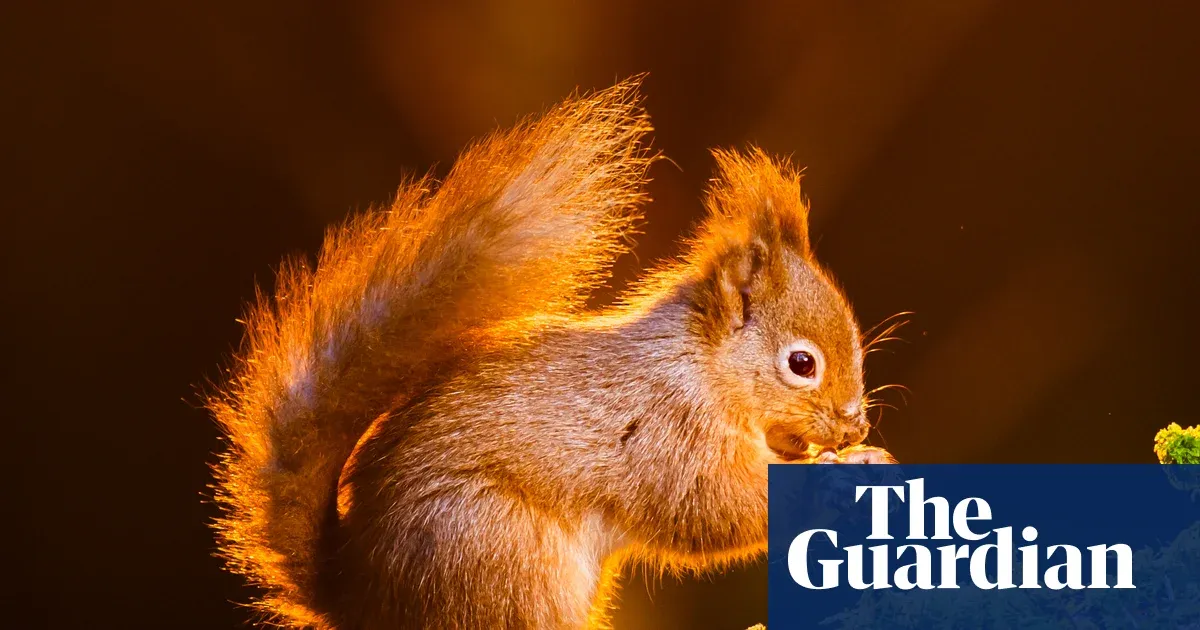
Sam Beaumont spots a flash of red darting up a tree on his Lake District farm and feels something most English people never do: the quiet thrill of seeing a wild red squirrel in his own garden. He's one of the lucky few. Two centuries ago, 3.4 million red squirrels lived across the UK. Today, only around 287,000 remain—and England holds just 38,900 of them.
The culprit is a mistake made in the 1870s. The 11th Duke of Bedford released grey squirrels on his estate, thinking they'd be a nice addition to the landscape. What he didn't know was that these American imports would outcompete the native reds for food and carry squirrelpox, a virus that's fatal to red squirrels but harmless to greys. Over 150 years, the greys spread into nearly every corner of England. The reds retreated north and to isolated pockets like the Isle of Wight, clinging to survival in Scotland, where 75% of the remaining population now lives.
A plan takes shape
The government's new squirrel action plan for England marks the first coordinated attempt to reverse this decline. The strategy has two prongs: remove grey squirrels from areas where reds still survive, and restore the ancient woodlands both species depend on. On Beaumont's farm, a local ranger visits regularly to monitor populations with camera traps and cull any grey squirrels spotted. It's painstaking work, but it's working—his red squirrel population is stable.
We're a new kind of news feed.
Regular news is designed to drain you. We're a non-profit built to restore you. Every story we publish is scored for impact, progress, and hope.
Start Your News DetoxThe most promising development is a contraceptive vaccine for grey squirrels currently in development. If deployed widely, it could prevent greys from breeding without the need for culling, offering a longer-term solution that doesn't rely on constant intervention. The government is also exploring reintroducing pine martens—nimble predators that red squirrels can evade but that hunt grey squirrels as easy prey.
Yet funding remains the sticking point. Community groups and landowners doing the actual protection work say the plan doesn't allocate enough money to make a real difference. The grassroots campaign Save Our Reds argues that without more resources, even well-intentioned projects will struggle to scale.
Matt Larsen-Daw, CEO of the Mammal Society, describes the red squirrel population as "on a knife edge"—precarious, but not yet lost. The combination of research-backed solutions, habitat restoration, and the success already seen in pine marten recovery suggests the trajectory could shift. It won't be swift, but the pieces are moving into place.