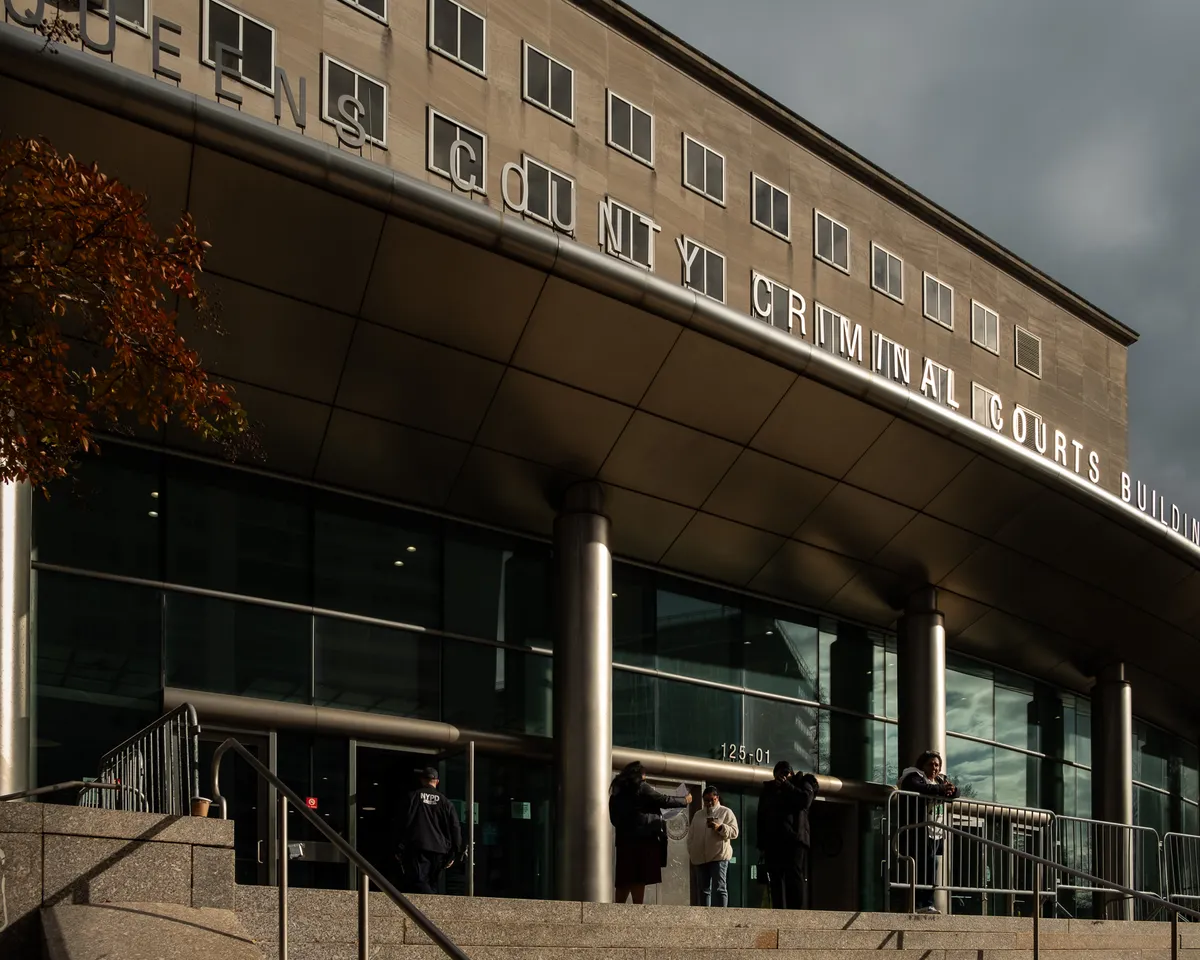
New York City's courts decide bail amounts, set sentences, and determine who gets a second chance. Yet the people sitting on those benches don't reflect the city they serve. Black men are dramatically underrepresented among judges—about 22% of elected Civil Court judges are Black overall, and the share of Black men specifically is far smaller.
This gap didn't happen by accident. It's the unintended result of real progress. Since the 1970s, Black and Hispanic voters reshaped city politics, and the judiciary followed. Early waves of minority judges often included Black men rooted in their own communities. But as the legal profession diversified, women—long the backbone of minority voting coalitions—advanced steadily through the pipeline. More Black women won Civil Court judgeships with strong Democratic support. That's genuinely important. Yet it's also meant that identifying and elevating qualified Black men to the bench has become harder to prioritize.
The numbers tell the story. In Supreme Court, roughly 19% of judges are Black. In appointed criminal and Family Courts, the figures hover around 15% and 23% respectively. Black male judges represent an even smaller slice of those numbers.
We're a new kind of news feed.
Regular news is designed to drain you. We're a non-profit built to restore you. Every story we publish is scored for impact, progress, and hope.
Start Your News DetoxWhy representation reshapes how justice works
Representation matters, but not because judges should decide cases based on identity. It matters because courts depend on legitimacy. For many Black male defendants, the system has long felt distant or unresponsive. A Black judge on the bench signals that the court understands defendants as individuals, not just case numbers.
That signal carries real weight. Judges must follow the law, but within it, they exercise discretion—especially in criminal court, where decisions on bail, sentencing, and alternatives to incarceration can reshape someone's life. A judge informed by both professional training and lived experience may be more attuned to who is a strong candidate for rehabilitation rather than confinement.
Here's what's remarkable: when Black judges serve in greater numbers, they don't just build trust among Black defendants. Research shows that white judges, influenced by relationships with Black colleagues, become less likely to impose custodial sentences on Black defendants. One study found this effect narrows racial disparities by up to 7 percentage points. Greater diversity on the bench reshapes judicial discretion across the entire system.
Building a more representative judiciary requires intentional work. Promising candidates from public defender offices, district attorney organizations, and community legal institutions need to be identified, mentored, and supported through transparent processes. Law schools should expand access to public-sector training and criminal procedure courses. Party organizations, bar associations, and judicial screening committees all play a role in providing guidance and resources.
New York City has proven its institutions can evolve. By deliberately cultivating the next generation of Black male judges, the city can build on decades of progress and restore confidence in courts that actually reflect the people they serve.