Loudoun County, Virginia, was once known for its farms and closeness to Washington, DC. Now, it's famous for having the most data centers in the world.
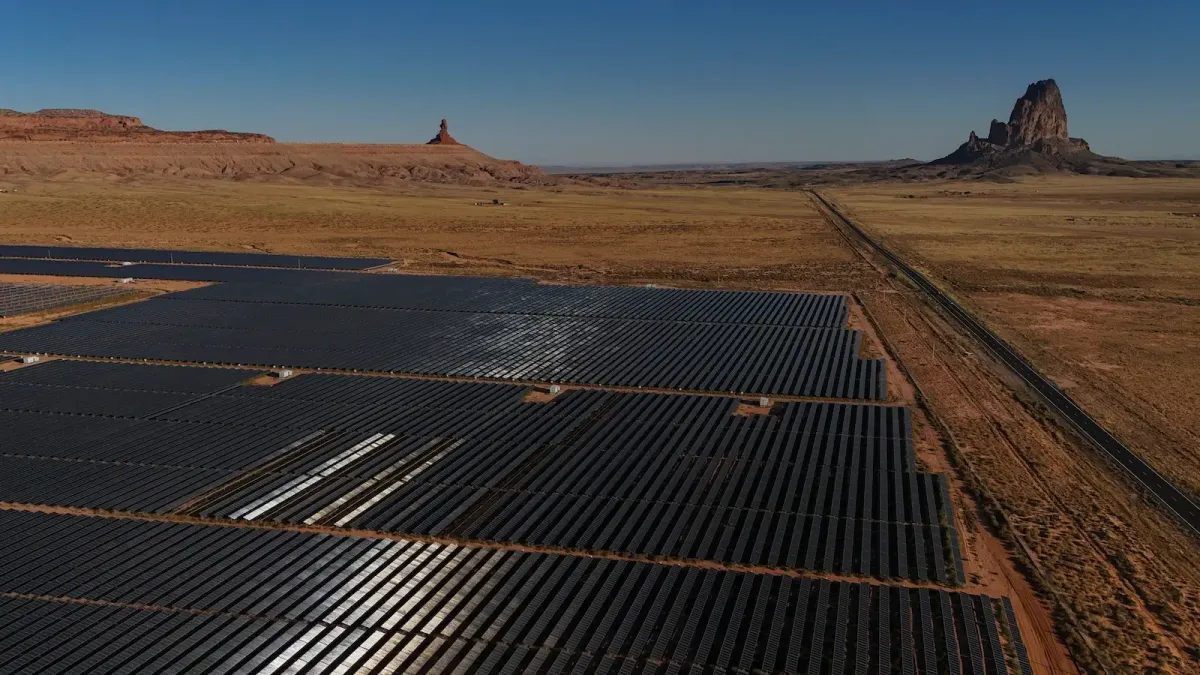
Ten years ago, these centers handled emails and online shopping. Today, with the huge demand for AI, the local power company, Dominion Energy, struggles to keep up. The need for power is so great that Dulles International Airport is building the country's largest airport solar farm. This project aims to boost the region's power supply.
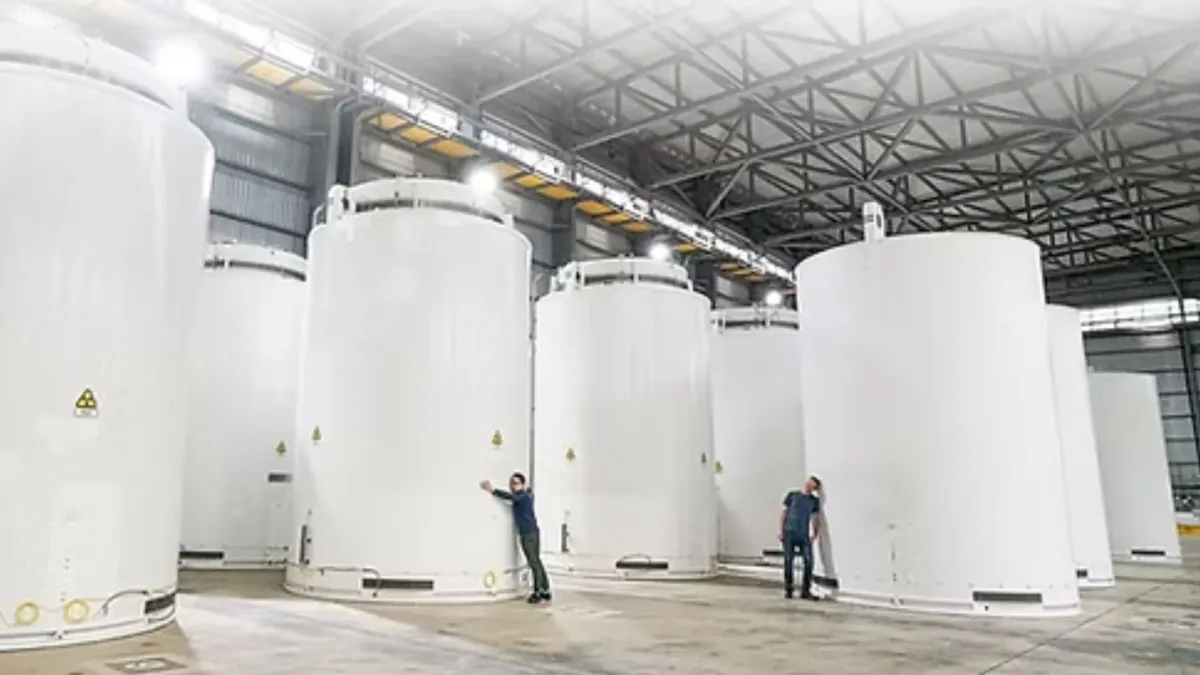
Data centers like those in Loudoun are popping up everywhere to meet the endless demand for AI. But this growth comes at a high price. In 2024, US data centers used about 4% of the nation's electricity. By 2028, this could jump to 12%. To give you an idea, one 100-megawatt data center uses as much electricity as 80,000 American homes. New data centers are being built to gigawatt scale, which is enough to power a medium-sized city.
We're a new kind of news feed.
Regular news is designed to drain you. We're a non-profit built to restore you. Every story we publish is scored for impact, progress, and hope.
Start Your News Detox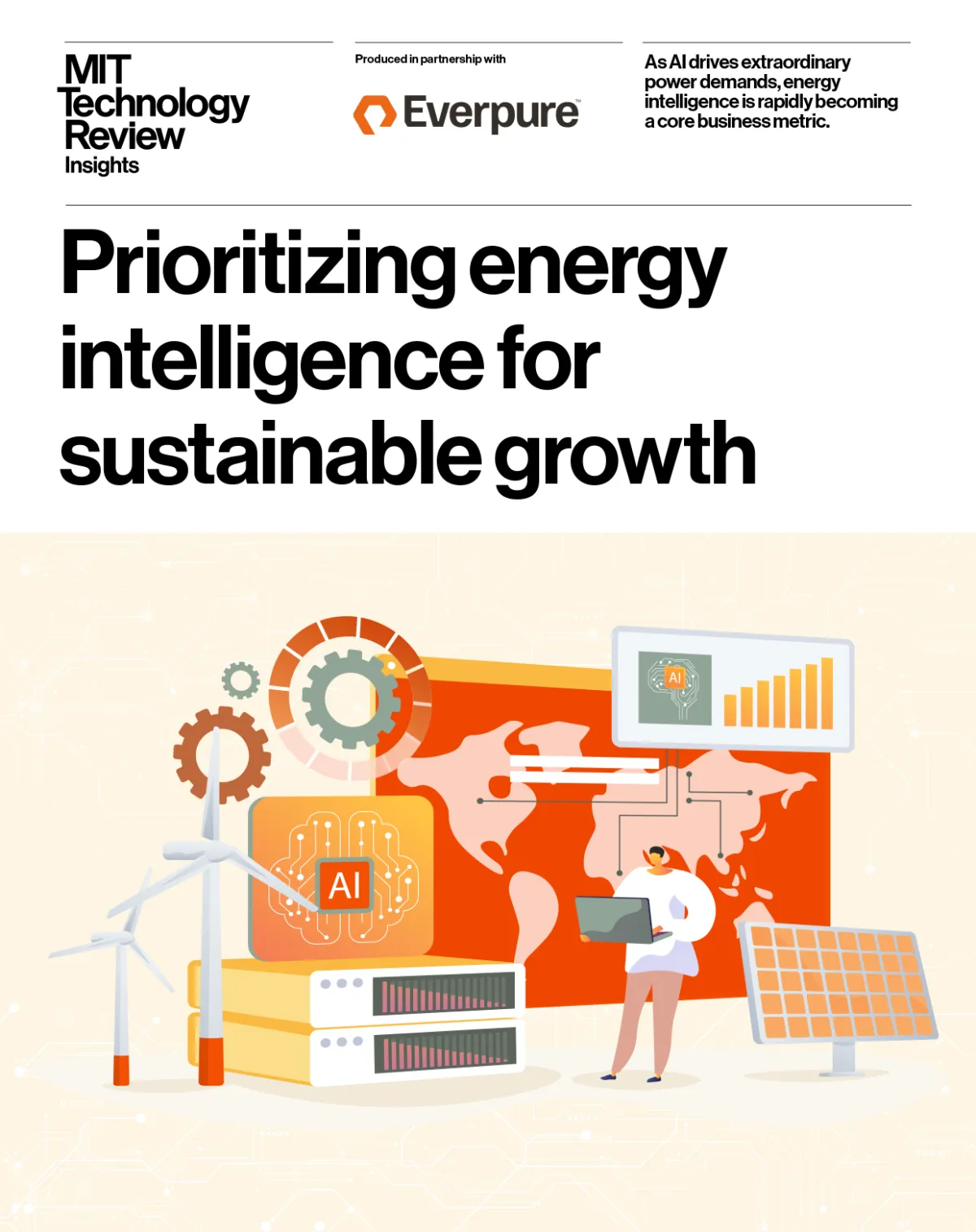
For business leaders, the energy costs of AI and data infrastructure are becoming a major budget issue and could slow down growth. To handle this, organizations need "energy intelligence." This new field means understanding when, where, and why energy is used. This insight helps companies run more efficiently and control costs.
These efforts can help with immediate money problems and long-term reputation risks. Communities like Loudoun County are increasingly worried about the energy demands of nearby data centers.
Key Findings on Energy Intelligence
In December 2025, MIT Technology Review Insights surveyed 300 executives. The goal was to understand how companies view energy intelligence now and what challenges they expect.
Here are five important findings:
- Energy intelligence is a top business priority. All executives surveyed believe that measuring and managing power use will be a key business metric in the next two years.
- AI is already increasing energy costs. Two-thirds of executives (68%) reported that AI and data workloads raised their energy costs by 10% or more in the past year. Almost all (97%) expect their AI-related energy use to grow in the next 12 to 18 months.
- Rising costs threaten AI innovation. Half of the executives (51%) see rising costs as the biggest energy-related risk to their digital and AI projects. Most companies tracking data center energy use are doing so to manage costs.
- Companies are optimizing infrastructure and partnering for efficiency. To handle growing energy demands, three out of four leaders (74%) are improving their current infrastructure. Also, 69% are working with energy-efficient cloud and storage providers. More than half are also scheduling AI workloads (61%) and investing in better hardware (56%).
- Better measurement is the next step. Most businesses still lack the detailed data needed for true energy intelligence. This is especially true for companies using third-party cloud providers, where 71% say rising costs come from, but energy data is often unclear.
Deep Dive & References: Download the full report.