Americans agree on more than the headlines suggest. The Civil Rights Movement, women's suffrage, the moon landing—these moments unite us across age groups. Yet ask people about the nation's founding, and the conversation fractures along generational lines so sharp that researchers at Johns Hopkins SNF Agora Institute are treating it as a warning sign for the country's 250th anniversary.
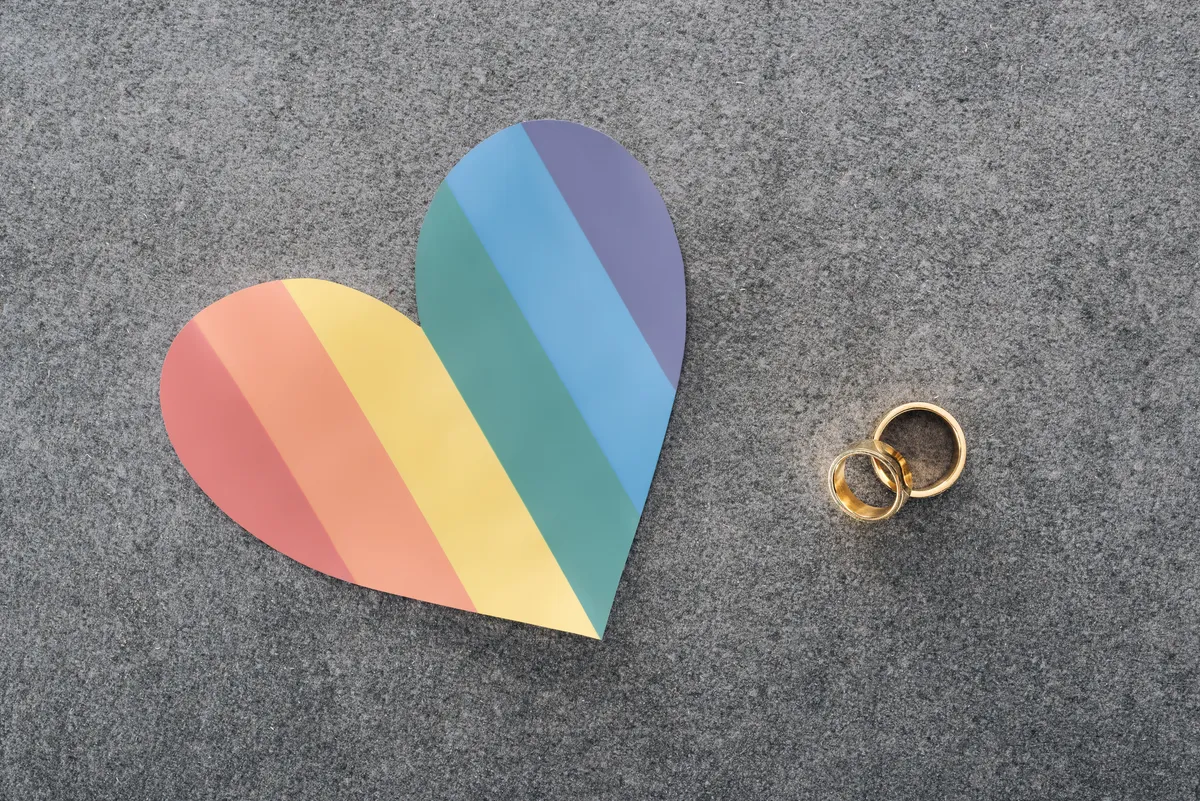
Older generations see American Independence as one of the most transformative moments in history. Nearly half of the Silent Generation and 28% of Baby Boomers rank it in their top three most impactful movements. Gen Z? Only 8% do. Instead, younger people point to Black Lives Matter, the LGBT rights movement, and the Civil Rights leaders who fought for them.
It's not really about history. It's about identity. When researchers dug deeper, they found that people don't just disagree about what happened—they disagree about what those events mean for who we are today. "These movements become a kind of badge people wear," said Peter Pomerantsev, a senior fellow at the institute and lead author of the study. "The differences between generations are actually larger than partisan gaps."
We're a new kind of news feed.
Regular news is designed to drain you. We're a non-profit built to restore you. Every story we publish is scored for impact, progress, and hope.
Start Your News DetoxWhere the Divide Gets Wider
Siloed media diets are amplifying the gap. Gen Z and Millennials learn history from YouTube videos; their grandparents prefer books and documentaries. There's no shared TV moment, no common forum where generations encounter each other's perspectives. Without that friction—that chance encounter with a different viewpoint—the gap hardens into certainty.
But here's where it gets interesting. When researchers stripped away the loaded language that pundits have weaponized, people agreed far more than they disagreed. Nearly 60% of respondents agreed with statements outlining the basic ideas of Critical Race Theory when the theory itself wasn't named. The propaganda layer, it turns out, is doing much of the dividing.
The Possibility Hiding in Plain Sight
People in the study said they wanted to overcome division. They wanted community. And when researchers asked them about historical moments when Americans collaborated toward a common goal, something shifted. People weren't just reminiscing—they were imagining.
History doesn't have to be a wedge. Pomerantsev describes it as "paradoxical thought": acknowledging the full weight of past injustices and traumas while also studying how Americans have managed to work together despite them. That's not whitewashing. It's the opposite. It's saying: we've been divided before, we've done hard things together before, and we can learn from both.
"If you get below the surface of propaganda language, you can find your way to audiences," Pomerantsev said. "And there is more of a chance of people listening to one another than TV commentary would make you think."
The 250th anniversary could be a moment to test that. Not by forcing agreement on what the founding means, but by creating spaces—actual spaces, physical and digital—where generations encounter each other's stories without the filter of polarized media. Where someone's grandparent and their Gen Z grandchild could watch the same documentary, read the same book, sit in the same room and say: I didn't know you saw it that way.