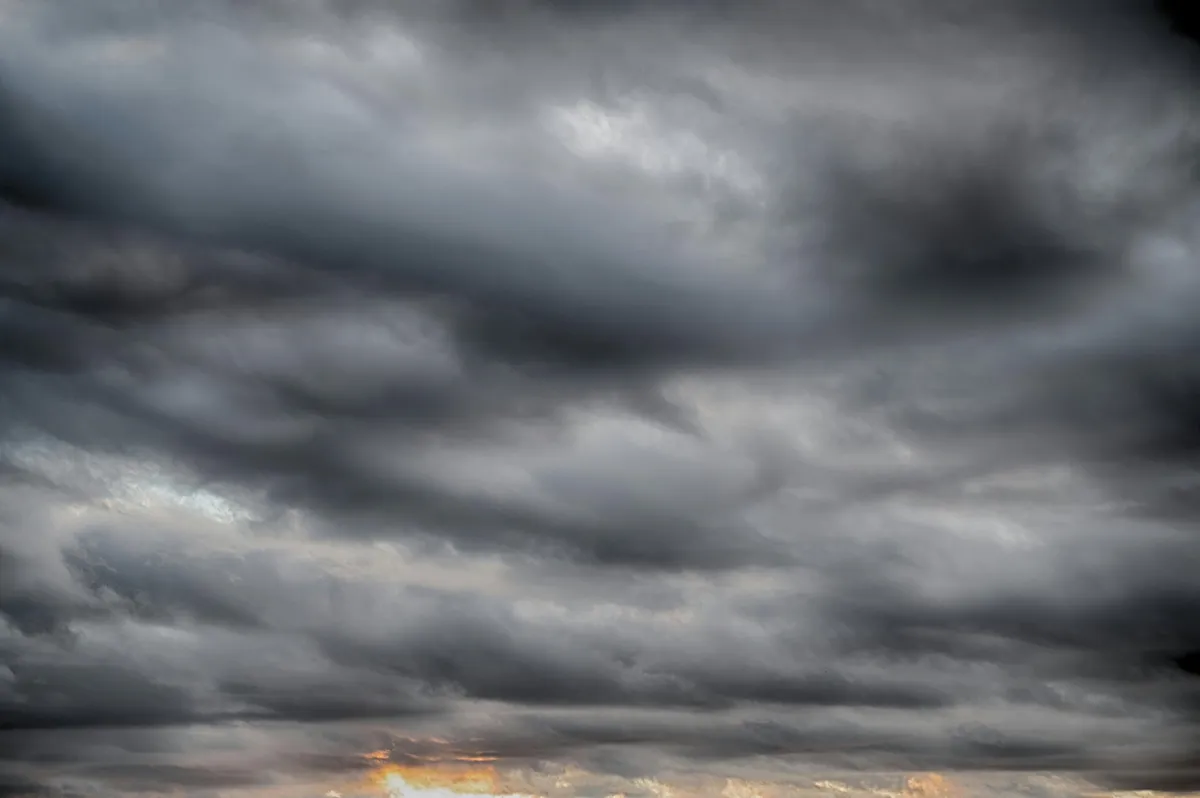
Northern Australia's summer monsoon in 2024–2025 arrived later than any year on record since scientists started tracking it in 1957. For the communities, cattle farmers, and firefighters who depend on it, that delay mattered. The monsoon brings the rains that refill water supplies, trigger pasture growth, and finally signal the end of bushfire season. When it's late, everything shifts.
But here's what researchers just discovered: the delay wasn't quite what it looked like.
An international team led by scientists at the University of Southern Queensland dug into why the monsoon onset got so delayed. They found something important—the official definition of monsoon arrival, based on wind patterns over Darwin, was telling only part of the story. Local wind conditions over the city had stalled, preventing the upper-level winds from shifting to easterlies, even though stronger westerlies were already moving in from the west. It was a specific hiccup over Darwin, not a region-wide hold-up.
We're a new kind of news feed.
Regular news is designed to drain you. We're a non-profit built to restore you. Every story we publish is scored for impact, progress, and hope.
Start Your News DetoxWhen researchers looked at other ways to measure monsoon onset—particularly the arrival of the first rains—the picture changed. Rainfall had actually begun much earlier than the official wind-based definition suggested. "The data suggests that local weather variability over Darwin prevented the upper-level winds from switching to easterlies, despite the presence of strong westerlies in December," explained Rajashree Naha, a research fellow at the Centre for Applied Climate Sciences.
This distinction matters more than it sounds. Communities, farmers, and media outlets often conflate the official monsoon onset with the arrival of actual rain. When forecasters say "the monsoon is late," people hear "the rains are late." But that's not always the same thing. The confusion can leave people unprepared or misunderstanding what to expect.
"The release of our new study provides a great opportunity to improve the messaging around the monsoon arrival and what these impacts are on local communities," said Tim Cowan, the lead author and an Associate Professor at the same centre. The team's real aim isn't to split hairs over definitions—it's to help northern Australia's communities understand what's actually happening in their skies and plan accordingly.
Clear monsoon information is a lifeline in a region where water security, agricultural timing, and fire risk all hinge on when the rains arrive. Better communication means better preparedness. As the 2025–2026 wet season unfolds, forecasters and communities are watching Darwin's winds again—a quiet reminder of how much depends on getting the signal right.