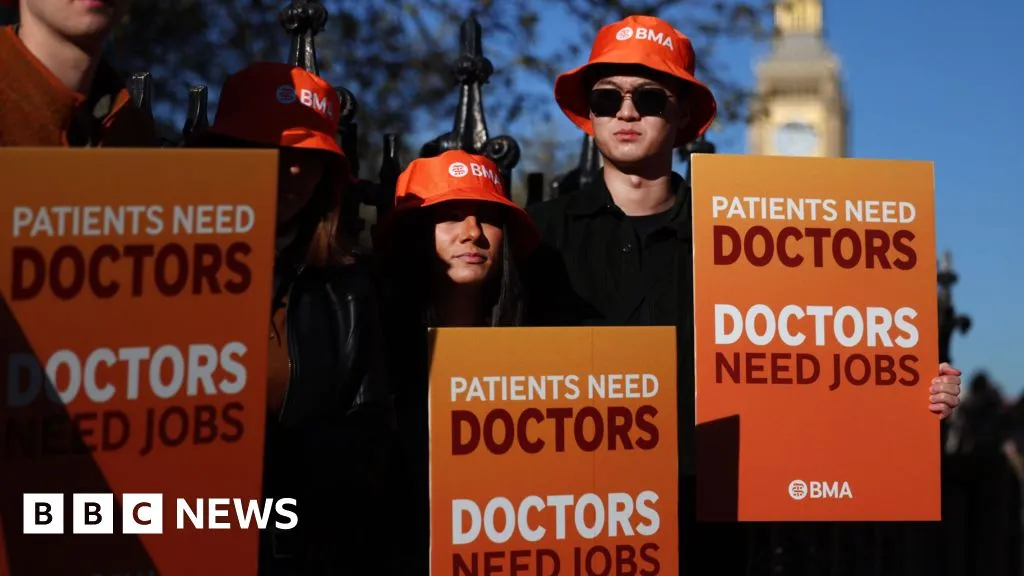
Just when England's resident doctors were set to walk out for the 16th time, the British Medical Association (BMA) pulled the plug. Turns out, the government decided to make a new offer right before the picket lines went up. Because apparently, that's where we are now.
The strike, originally slated for June 15-19, was called off after the BMA confirmed they had a new proposal to put to their members. This eleventh-hour scramble meant that while the strike itself was averted, the chaos it had already caused for patients was not. Hospitals are now staring down thousands of postponed appointments, all needing to be rescheduled. Some might call that a win, others a very expensive paperwork nightmare.
The Art of the Last-Minute Deal
Health Secretary James Murray, clearly relieved, called the new offer a "chance to draw a line under the damaging disputes." The BMA, with a collective eye-roll you could almost hear, noted they'd kept their "end of the bargain" once the government finally shifted its stance. Talks had been going on for days, right up until Saturday, proving that nothing motivates like an impending national healthcare crisis.
We're a new kind of news feed.
Regular news is designed to drain you. We're a non-profit built to restore you. Every story we publish is scored for impact, progress, and hope.
Start Your News DetoxGovernment sources, ever the bearer of nuanced news, hinted that while there's no new money for this year's pay packet, the offer does include faster pay increases next year. Plus, 4,500 more training spots for fresh-faced doctors and a promise to cover those pesky exam fees. Because nothing says "we value you" like not having to pay to prove you're qualified.
Resident doctors, formerly known as "junior doctors" before someone realized that title sounded a bit too much like a sidekick, have seen their pay jump 33% over the last four years. Starting salaries are now over £40,000, with seasoned residents pulling in £76,500 in basic pay. And that's before they tack on extra for those charmingly inconvenient hours.
But the BMA isn't buying it. They argue that once you factor in inflation, doctors are still earning about 20% less than they did in 2008. Which, if you think about it, is both impressive and slightly terrifying. Murray, for his part, was "pleased the BMA recognized" the country couldn't afford a higher offer this year, allowing them to make "progress in other areas." Like, you know, not striking.
Dr. Jack Fletcher, chairman of the BMA's resident doctors committee, delivered the dry punchline: they'd always said strikes wouldn't be needed if a suitable offer was made. And that the government really shouldn't have waited until the literal last minute. A sentiment shared by anyone who's ever had to pull an all-nighter because someone else procrastinated.
Sir Ciarán Devane of the NHS Alliance optimistically called the suspension a "vital chance to reset the conversation." Here's hoping that conversation leads to something more permanent than a temporary pause button, before the next last-minute scramble.