Apparently, even robots are now judging our produce. Researchers have developed a soft robotic gripper that uses both touch and vision to determine if a fruit is ripe and then, with near-perfect accuracy, pick it without turning it into jam. This could be excellent news for anyone who's ever opened a punnet of bruised strawberries or wondered why their avocado wasn't quite ready.
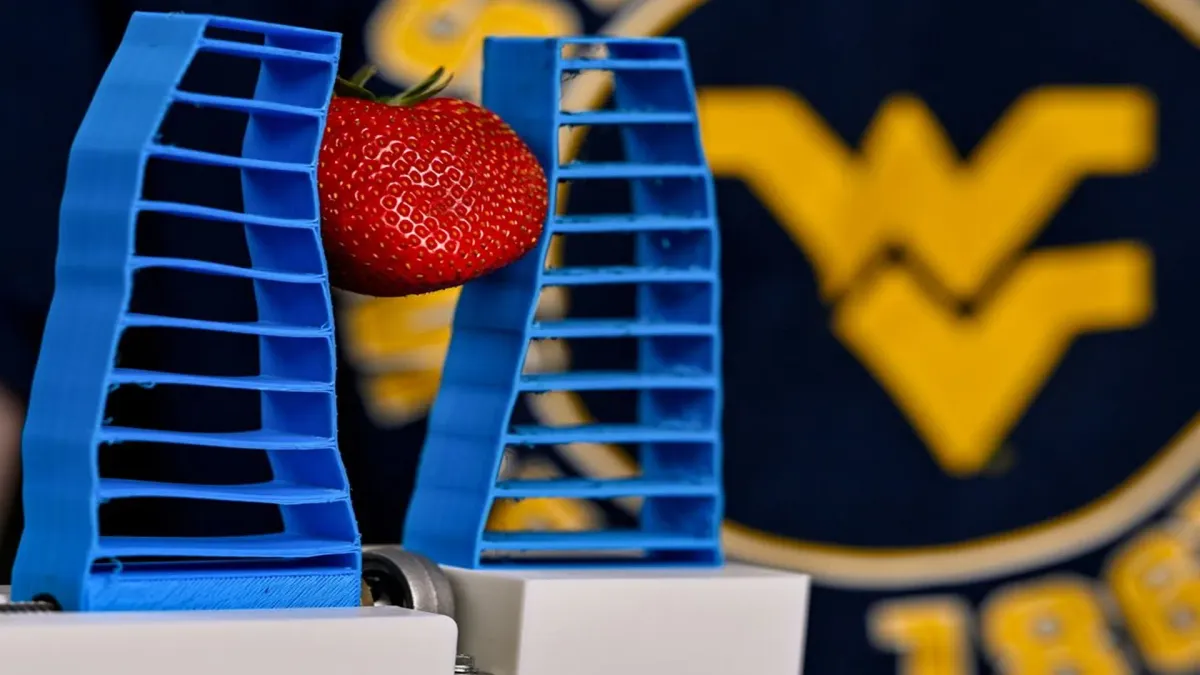
This isn't some rigid claw that crushes everything it touches. We're talking about a five-fingered wonder, made from silicone and polyurethane, with built-in sensors that measure a fruit's size, shape, color, and — crucially — its firmness. It’s essentially a tiny, very polite produce expert, deciding if your fruit is ready for its close-up.
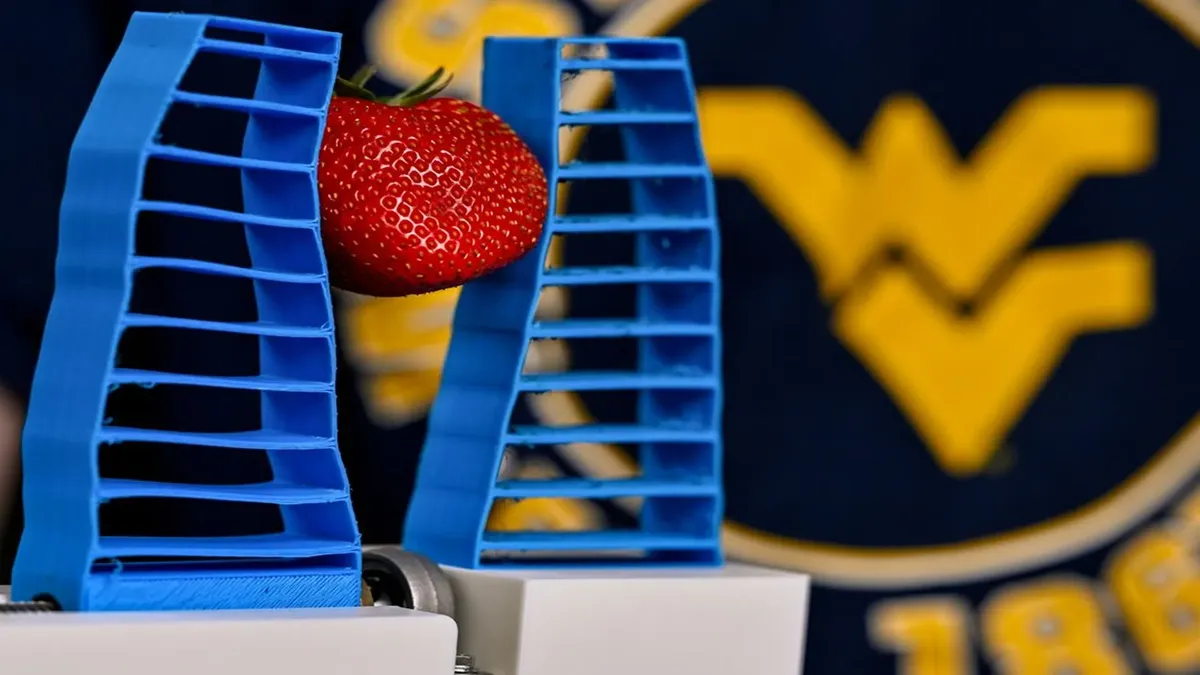
The system was put through its paces with strawberries, which are notoriously delicate divas. Instead of a clumsy snip, the robot removes the fruit by gently twisting its stem. Because apparently that's where we are now: robots with better table manners than some humans.
We're a new kind of news feed.
Regular news is designed to drain you. We're a non-profit built to restore you. Every story we publish is scored for impact, progress, and hope.
Start Your News DetoxThe Delicate Dance of Picking Fruit
Anand Mishra, an assistant professor at West Virginia University, helped develop this gripper. He explains that perfectly ripe strawberries and raspberries have a very short window between being ready and being, well, compost. Human pickers, while skilled, face issues like labor shortages, health concerns, and the occasional picking error. Enter the robots.
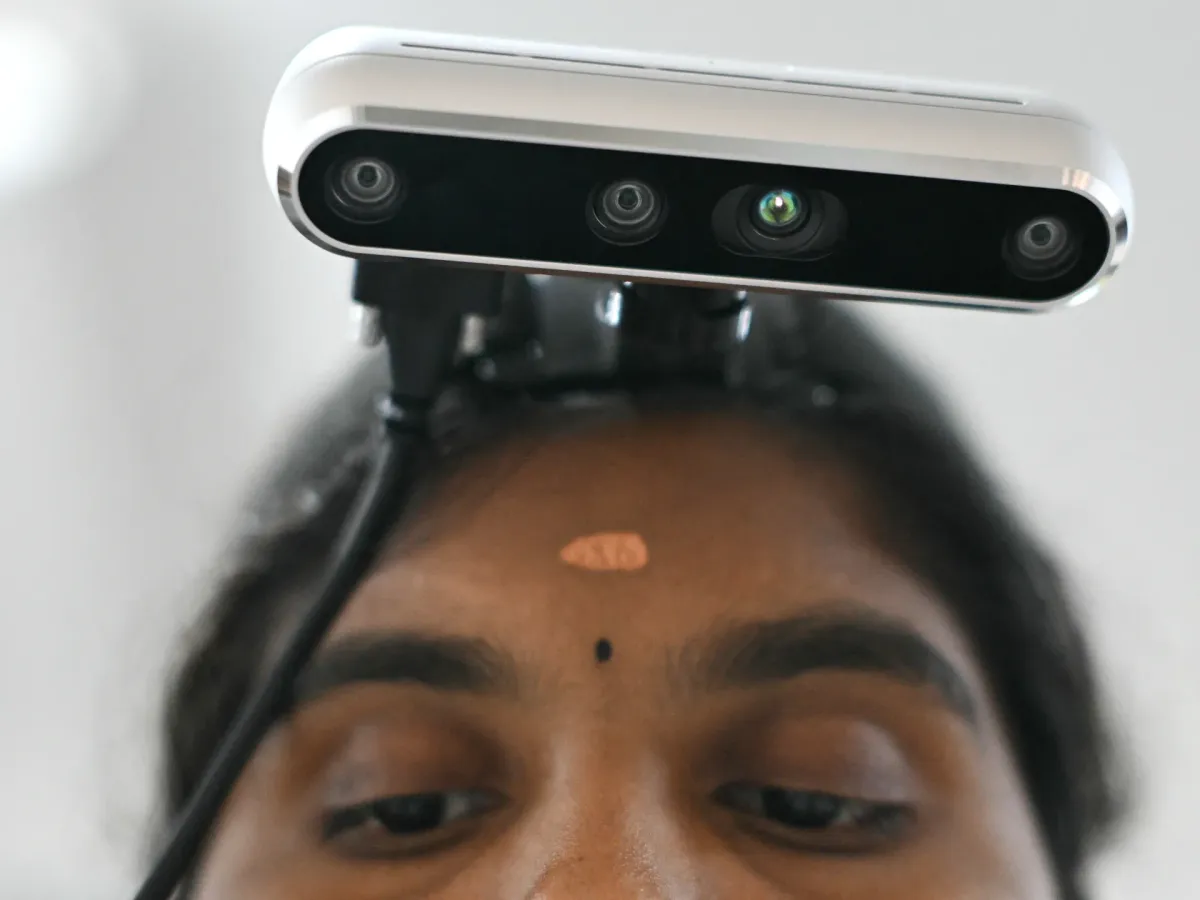
Most existing agricultural robots are designed for controlled greenhouse environments. The problem? Traditional grippers are often too stiff and unforgiving for delicate items. You need something that can feel its way around, which is precisely what this new system does. Each finger has stretchable optical fibers that act as touch and bend sensors, while a tiny camera and distance sensor in the palm provide the visual intel.
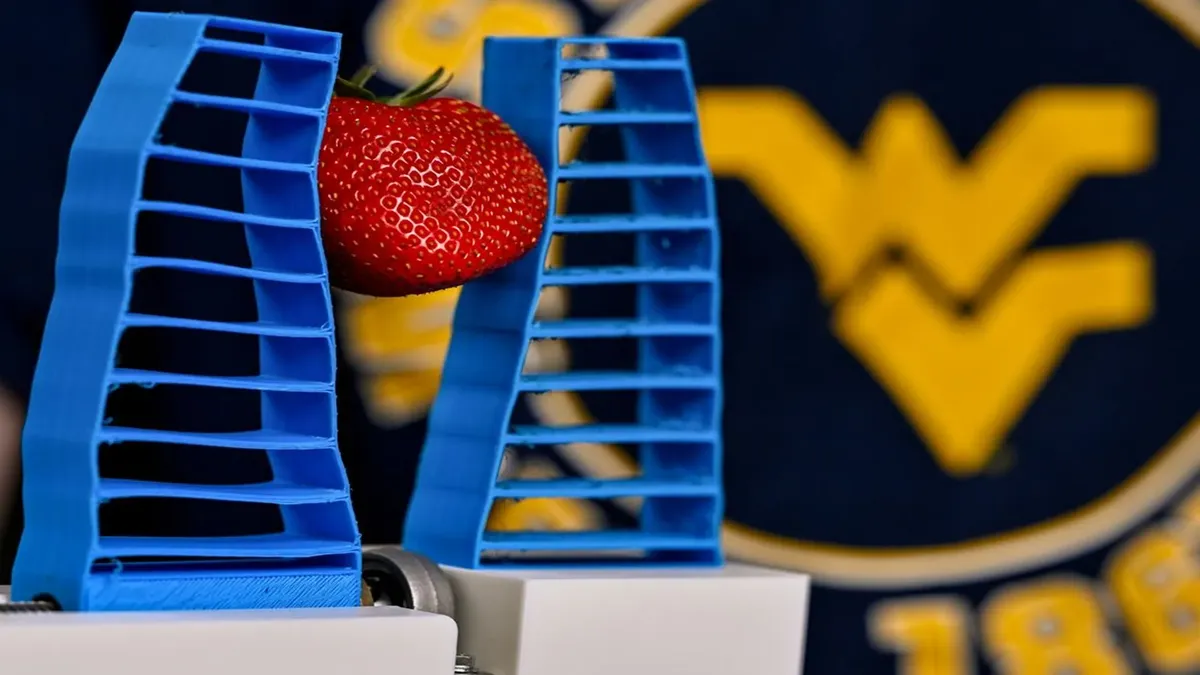
This soft-touch tech can not only sense a fruit's shape, stiffness, and ripeness, but also detect if it's slipping. It can open and close in under two seconds and lift up to a kilogram, all while being nearly 100% accurate at predicting shape. Let that satisfying number sink in.
The team thinks this will be particularly useful for fruits that don't exactly broadcast their ripeness with a vibrant color change. Think avocados, where growers often have to rely on a good old-fashioned squeeze to know when to harvest. Now, a robot can do the squeezing, presumably without judging your guacamole skills.
Squishy Robots, Serious Applications
Mishra's Robiotics Lab at WVU focuses on bio-inspired robots – designing "squishy, squeezy, rubbery robots inspired by animals." This gripper, with its blend of human hand and starfish aesthetics, is designed to absorb forces differently than its rigid cousins, making it ideal for delicate handling.
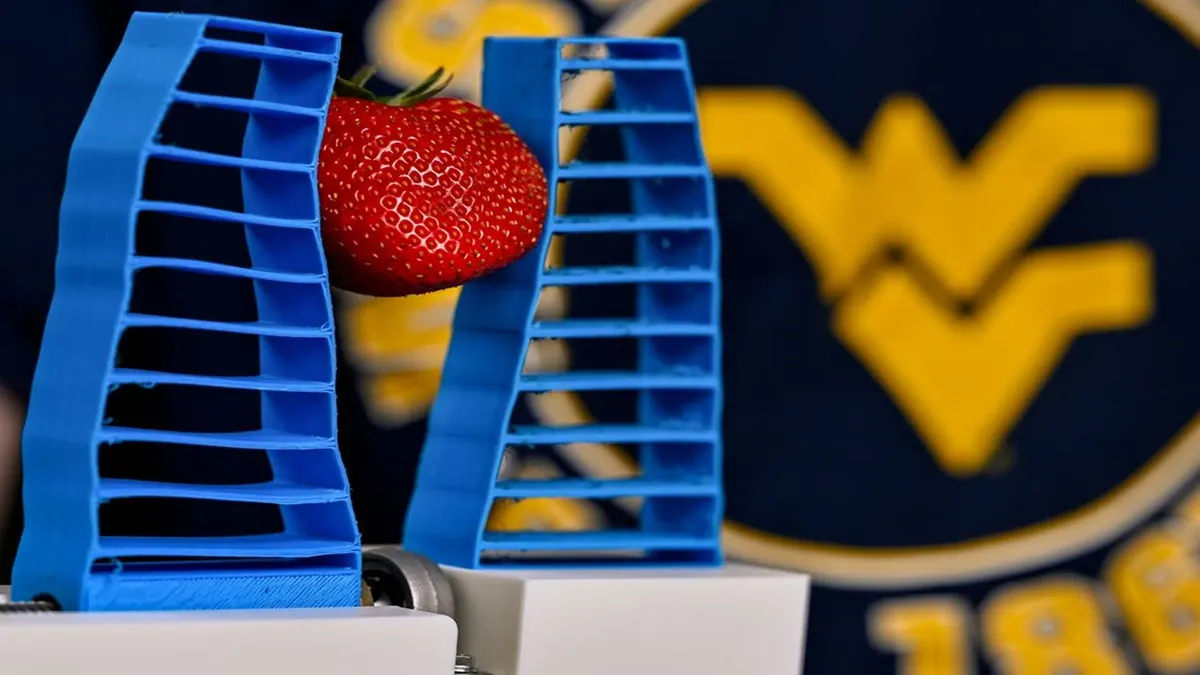
Beyond the farm, this sensing tech has some wild potential. Mishra points to space exploration (because who doesn't want a robot carefully handling space tomatoes?), healthcare (imagine improved wearable devices), food handling, and even underwater work. Combining bend and touch sensing could, for instance, lead to more effective rehabilitation devices. Because if a robot can pick a strawberry without bruising it, imagine what it can do for, say, a recovering hand. Which, if you think about it, is both impressive and slightly terrifying.