Your morning espresso ritual usually involves two things: very hot water and a whole lot of pressure. And, if we're being honest, a fair bit of electricity. But what if you could get the same rich, concentrated shot of pure joy using… soundwaves? And at room temperature?
Researchers at the University of New South Wales Sydney just pulled it off. Their new study, published in the Journal of Food Engineering, reveals they can brew espresso that’s just as strong, flavorful, and — critically — delicious as its traditional counterpart, all thanks to ultrasonic vibrations.
The Secret Sauce (or Sound)
Chemical engineer Francisco Trujillo, a co-author, explained that the entire process takes less than three minutes. So, no waiting around. This isn't Trujillo's first rodeo with sonic coffee; he even patented a system for cold brew that resulted in a smoother, less caffeinated drink. But espresso? That's a different beast.
We're a new kind of news feed.
Regular news is designed to drain you. We're a non-profit built to restore you. Every story we publish is scored for impact, progress, and hope.
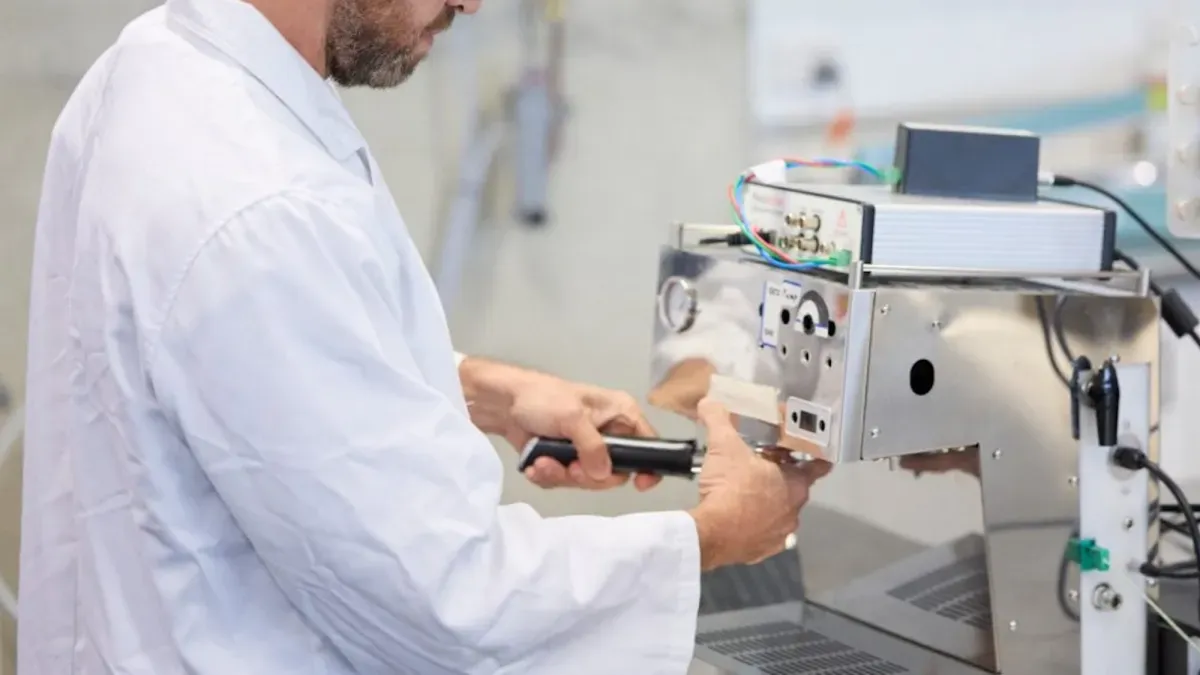
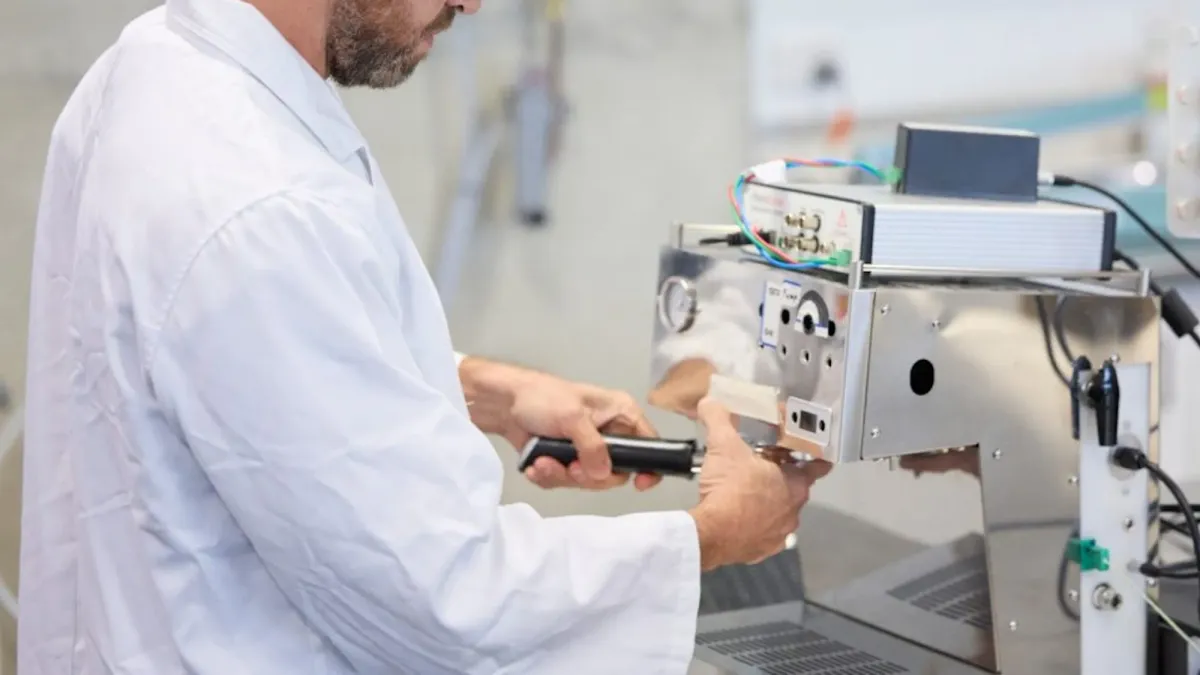
Start Your News DetoxTo make it happen, the team essentially turned a standard filter basket into a soundwave generator. They slapped a small metal device called a transducer against the basket, sending vibrations — soundwaves — through the coffee grounds and water. It's basically a tiny, coffee-brewing earthquake.
This shaking creates something called "acoustic cavitation." Think of it like this: microscopic bubbles rapidly form and then pop in the liquid. These collapsing bubbles act like tiny, relentless scrub brushes, breaking open the coffee grounds and releasing all those glorious flavor molecules, caffeine, and oils. Because apparently, that's where we are now: making coffee with tiny explosions.
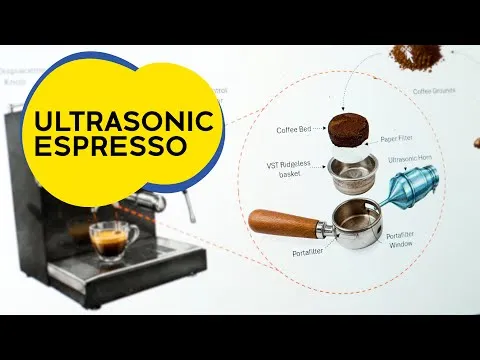
Of course, precision matters. Trujillo's team meticulously adjusted the brew ratio (the amount of water per gram of coffee), the grind consistency, and the duration of soundwave exposure to hit that perfect espresso sweet spot.
The Ultimate Taste Test
After fine-tuning their sonic masterpiece, the moment of truth arrived: the blind taste test. One hundred brave coffee drinkers were presented with traditional espresso, filter coffee, and their ultrasonic twins. The results? They couldn't consistently tell the difference.
Even more impressively, participants struggled to distinguish between traditional filter coffee and its soundwave-brewed counterpart. So, not only does it work, but your taste buds are none the wiser.

While ultrasonic brewing machines might eventually find their way onto kitchen counters, the real game-changer is its scalability. Trujillo envisions large coffee manufacturers adopting this tech to brew massive quantities of coffee much faster, using only about 25% of the energy of traditional methods. Let that satisfying number sink in.
And the best part? Trujillo confirmed that ultrasound didn't just preserve the taste; in some cases, it actually improved it. All brewed at room temperature, without a hint of heat. Which, if you think about it, is both impressive and slightly terrifying. Your morning coffee might soon be a high-tech symphony of sound.