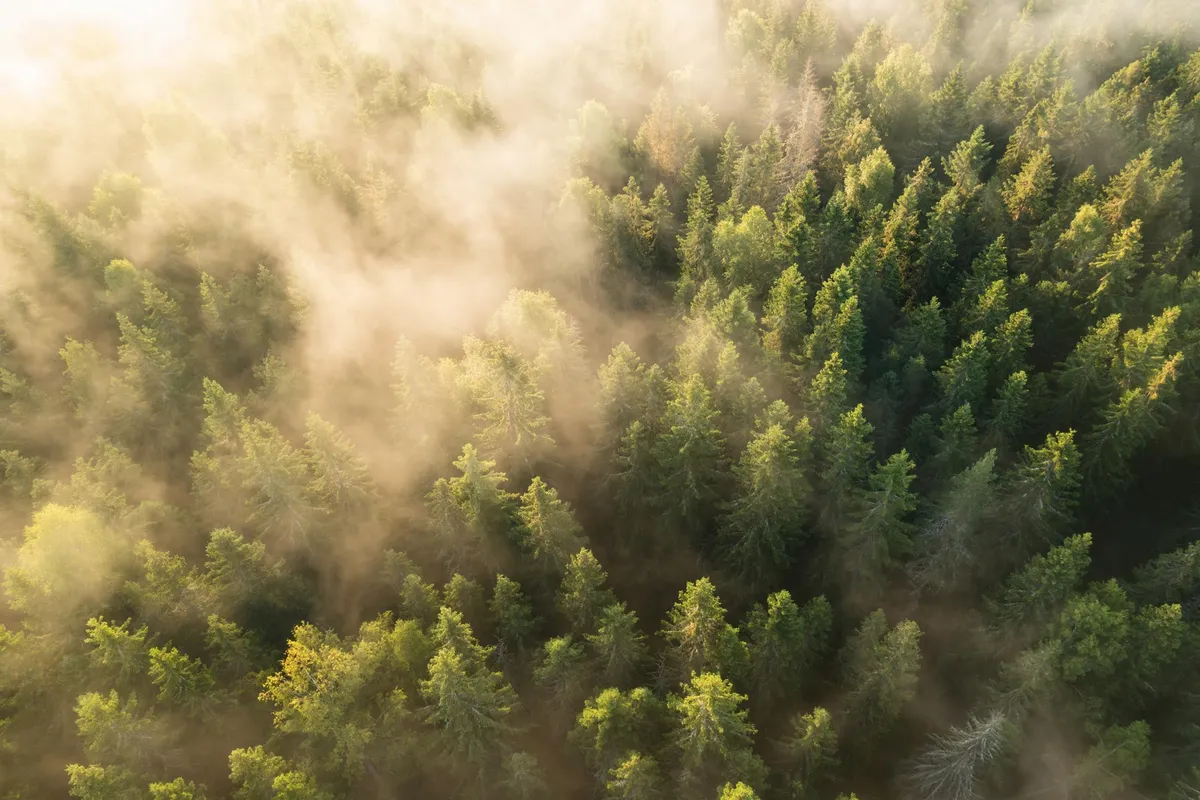
Forests worldwide are undergoing a quiet but consequential transformation. Fast-growing trees with thin leaves and soft wood—species like eucalyptus, acacia, and pine—are increasingly dominating landscapes where slow-growing specialists once held steady. The problem: these sprinter species are fragile. They crack under drought, snap in storms, and collapse when disease arrives. Meanwhile, the backbone trees they're replacing—thick-leaved, dense-wooded species that can live for centuries—are disappearing.
A major international study published in Nature Plants documents what's happening across the globe. The culprits are familiar: climate change, deforestation, intensive logging, and the global trade in timber species. Humans actively promote fast-growing trees because they turn profit quickly. But ecologically, they're brittle.
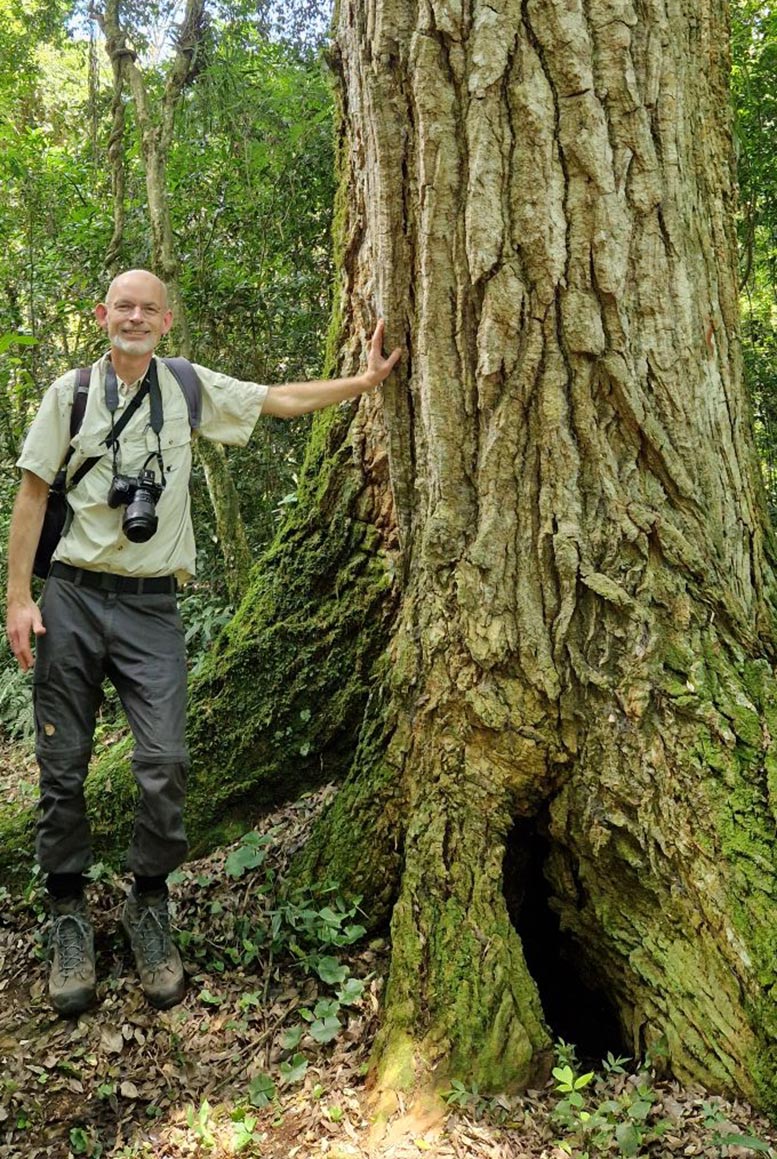
"They form the backbone of forest ecosystems and contribute to stability, carbon storage, and resilience to change," says Jens-Christian Svenning, director of the Center for Ecological Dynamics at Aarhus University and a lead author of the study. The slow-growing trees he's describing aren't just nice to have—they're essential. They hold soil, regulate water, store carbon long-term, and create the stable conditions that wildlife depends on.
We're a new kind of news feed.
Regular news is designed to drain you. We're a non-profit built to restore you. Every story we publish is scored for impact, progress, and hope.
Start Your News DetoxThe shift is hitting tropical and subtropical forests hardest. These regions harbor slow-growing species with naturally small ranges, confined to limited areas. When their habitats shrink or get invaded by aggressive fast-growers, they have nowhere to go. Nearly 41% of naturalized tree species—trees that don't naturally belong in a given area but now grow wild there—have traits suited to disturbed environments. They outcompete natives for light, water, and nutrients, making recovery harder.
The forecast isn't written yet
When researchers modeled future scenarios, the pattern was clear: already-naturalized species will become even more dominant in coming decades. But the study also points to a path forward that doesn't require waiting for policy change at scale.
"When establishing new forests, far more emphasis should be placed on slow-growing and rare tree species," Svenning says. Active ecosystem restoration—prioritizing native species in conservation efforts, giving them space to recover, letting their presence support the return of larger animals—can reverse the homogenization. It's not passive. It requires deliberate choice.
The window is open but narrowing. Every forest management decision made today shapes what grows for the next century.