Turns out, not everyone's ready to start vacuuming up the ocean floor for shiny rocks. Six African nations have officially called for a temporary halt to deep-sea mining, arguing we should probably understand what we're doing before we, you know, do it.
Mauritius, Mozambique, and the Republic of the Congo recently threw their weight behind the "slow down, folks" movement at a meeting of the International Seabed Authority (ISA) in Jamaica. They're joining Malawi, Kenya, and Madagascar, who were already on board. Because apparently, some countries still believe in things like "strong science" and a "precautionary approach" when it comes to, say, the future of the entire ocean.

Mauritius officials, whose country's future is rather tied to, well, water, stated that decisions about deep-sea mining need to be based on actual knowledge, not just speculative mineral wealth. Which, if you think about it, makes a lot of sense. Malawi kicked things off for Africa back in May 2026 (yes, you read that right, 2026 — time travel is apparently a thing in policy now, or it's a typo, but we'll roll with it), with Kenya and Madagascar following suit in June.
We're a new kind of news feed.
Regular news is designed to drain you. We're a non-profit built to restore you. Every story we publish is scored for impact, progress, and hope.
Start Your News DetoxDavid Willima from the Deep Sea Conservation Coalition (DSCC) — a group of over 140 organizations, because this isn't exactly a niche concern — pointed out the obvious: not enough science, too many management gaps. Basically, we don't know what we don't know, and we're not great at handling what we do know. Which is a stellar combination for any new extractive industry.
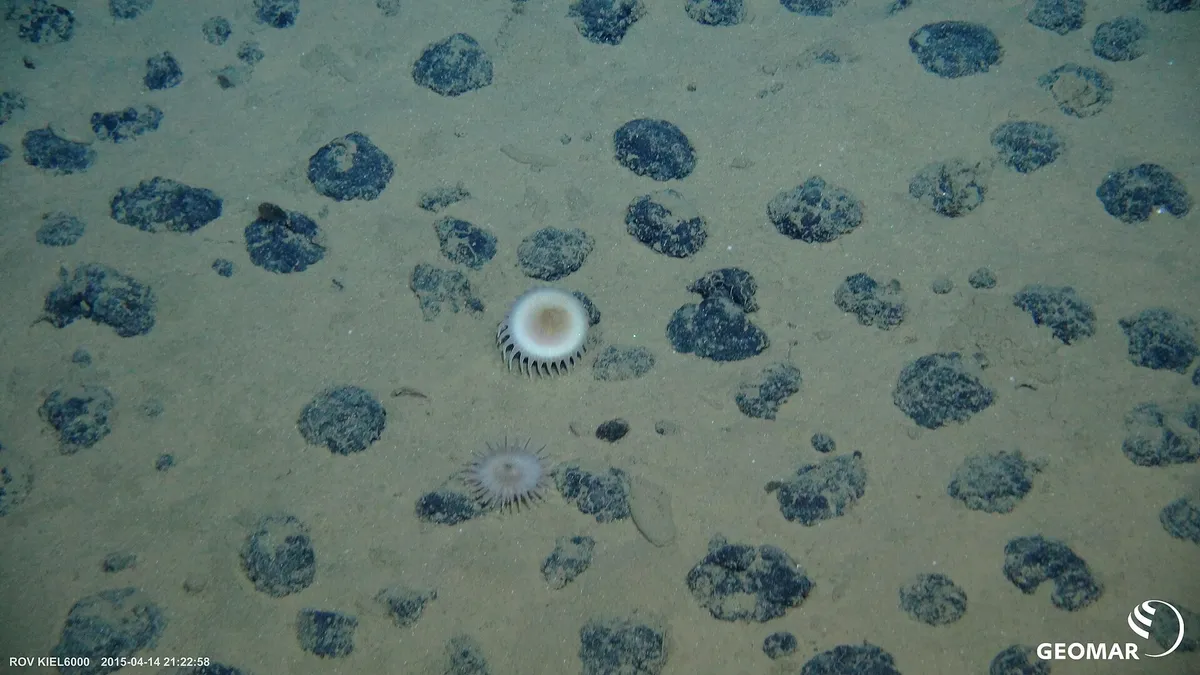
Globally, 46 countries are now on the side of caution, which is a significant chunk of the planet saying, "Maybe let's not break the deep ocean just yet." The allure, of course, is the polymetallic nodules — small, potato-sized rocks on the deep ocean floor that are packed with valuable minerals like nickel, cobalt, and manganese. Because apparently that's where we are now: debating whether to ransack the last untouched frontiers for our phone batteries. Let's hope common sense, and the growing chorus of nations, wins out.