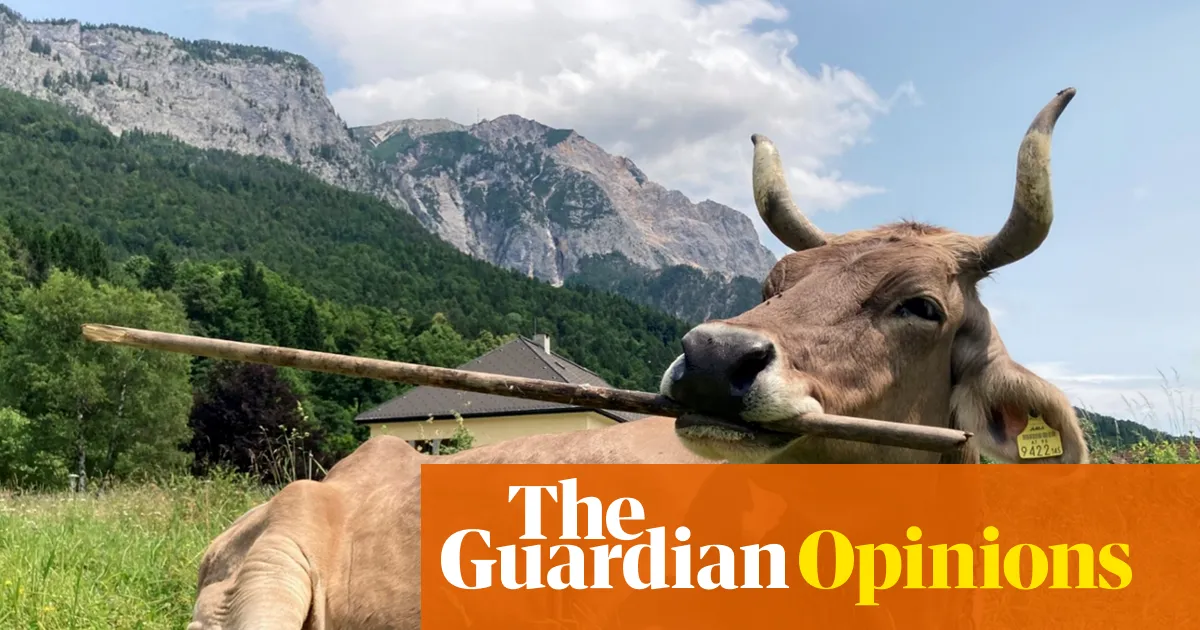
A 13-year-old brown Swiss cow named Veronika picked up a broom with her tongue, twisted around, and used it to scratch her back. The blunt end worked for her sensitive belly. The bristly end handled her thicker upper back and buttocks. It sounds like a small thing — a farmer watching her herd might have shrugged — but researchers from the University of Veterinary Medicine in Austria saw something worth documenting: the first time cattle have been officially recorded using tools, and the first time any cow has used a single tool in multiple ways.
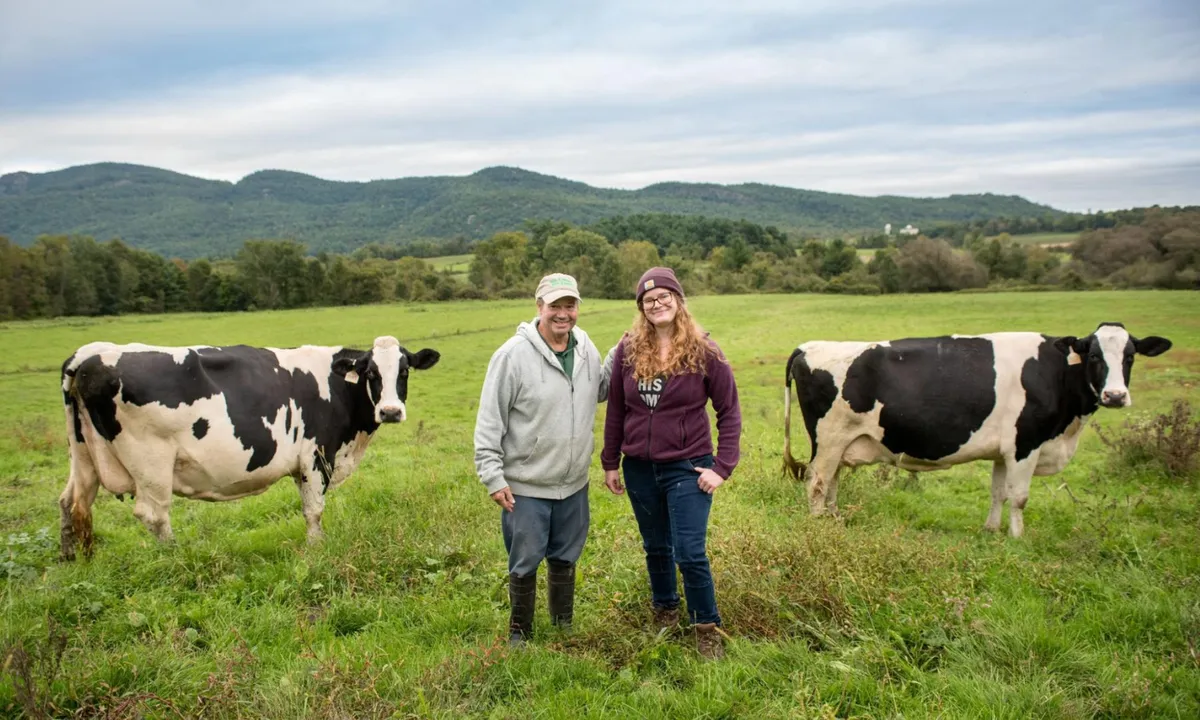
The story made headlines. But one dairy farmer wasn't surprised at all. "I don't think many dairy farmers would be surprised to learn that," she said. She spends her days watching cows learn quickly, get bored easily, and find endless ways to cause mischief. To her, Veronika was just being a cow.
What's revealing isn't really Veronika's ingenuity. It's our shock.
We've spent centuries assuming tool use was humanity's signature move — the thing that made us fundamentally different from everything else. Then Jane Goodall watched a wild chimpanzee use a twig to fish for termites, and that certainty cracked. Since then, the list has kept growing. Sea otters use stones as hammers and anvils. Chimpanzees sharpen sticks into spears. New Caledonian crows fashion hooks from plant stems to extract larvae.
We're a new kind of news feed.
Regular news is designed to drain you. We're a non-profit built to restore you. Every story we publish is scored for impact, progress, and hope.
Start Your News DetoxOne by one, the features we thought made us special — tool use, complex communication, the ability to count, culture itself — have turned up in other species. Each discovery feels like it should change how we see the world. But we keep finding ways to maintain the illusion of our superiority anyway.
Veronika's story tells us less about the minds of cows and more about our own blindness. We've become so invested in our exceptionalism that we struggle to see what's actually in front of us: animals that are both smarter and more like us than we give them credit for. The farmer who works with cows every day knows this. She's spent years caring for creatures with rich inner lives and genuine complexity. She doesn't need a research paper to tell her that.
When the paleontologist Louis Leakey heard about Goodall's chimpanzees, he wrote: "Now we must redefine tool, redefine man, or accept chimpanzees as human." We don't need to accept cows as human. But we do need to stop insisting that we're in a category entirely our own. The gap between us and them is smaller than we want to believe — and that's worth paying attention to.