Most people picture Yellowstone's geysers or Acadia's coastline when they think of the National Park System. But here's what might surprise you: of the 433 protected sites across America, only 63 are actually parks. The rest—national monuments, historic sites, memorials, preserves—hold the deeper, messier, more human stories that shaped who we are.
National monuments are federal lands protected under the Antiquities Act of 1906 specifically for their historical, cultural, or scientific significance. Unlike parks, which celebrate natural beauty, monuments are about preserving the legacies of real people and real events. Some are well-known: the Martin Luther King Jr. Memorial, Mount Rushmore. But thousands of visitors walk past the famous sites without ever discovering the ten below—places that rewrite what American history actually looks like.
Stories carved into the landscape
Stonewall National Monument in Greenwich Village is just 7.7 acres, but it holds the weight of the 1969 Stonewall Uprising, the moment that ignited the modern LGBTQ+ rights movement. The site now includes a museum and educational center where that history isn't archived—it's lived.
We're a new kind of news feed.
Regular news is designed to drain you. We're a non-profit built to restore you. Every story we publish is scored for impact, progress, and hope.
Start Your News Detox
Montezuma Castle in Arizona is America's third-ever national monument, preserving a 20-room home built into a limestone cliff by the Sinagua people. It's a reminder that sophisticated civilizations thrived here long before the nation's founding narrative begins.
The African Burial Ground in Manhattan's Financial District contains the remains of over 419 Africans—some free, most enslaved—buried in the late 17th and 18th centuries. For centuries, this ground was paved over and forgotten. Now it's a memorial to lives erased from the official record.

The Birmingham Civil Rights National Monument preserves the sites where the 1963 Birmingham campaign unfolded—the churches, the streets, the places where ordinary people demanded extraordinary change.
Emmett Till and Mamie Till-Mobley National Monument spans Chicago and Mississippi across 5.7 acres. It documents the lynching of a 14-year-old boy and the courage of his mother, whose refusal to hide her son's mutilated body helped awaken the nation's conscience. This is history that still lives in living memory.
The Carlisle Federal Indian Boarding School National Monument, established in December 2024, is one of the newest additions—and one of the hardest to face. It preserves the traumatic history of Native families torn apart and children abused in the name of assimilation. It's being developed in close consultation with Tribal Nations, a shift toward letting Indigenous communities tell their own stories.

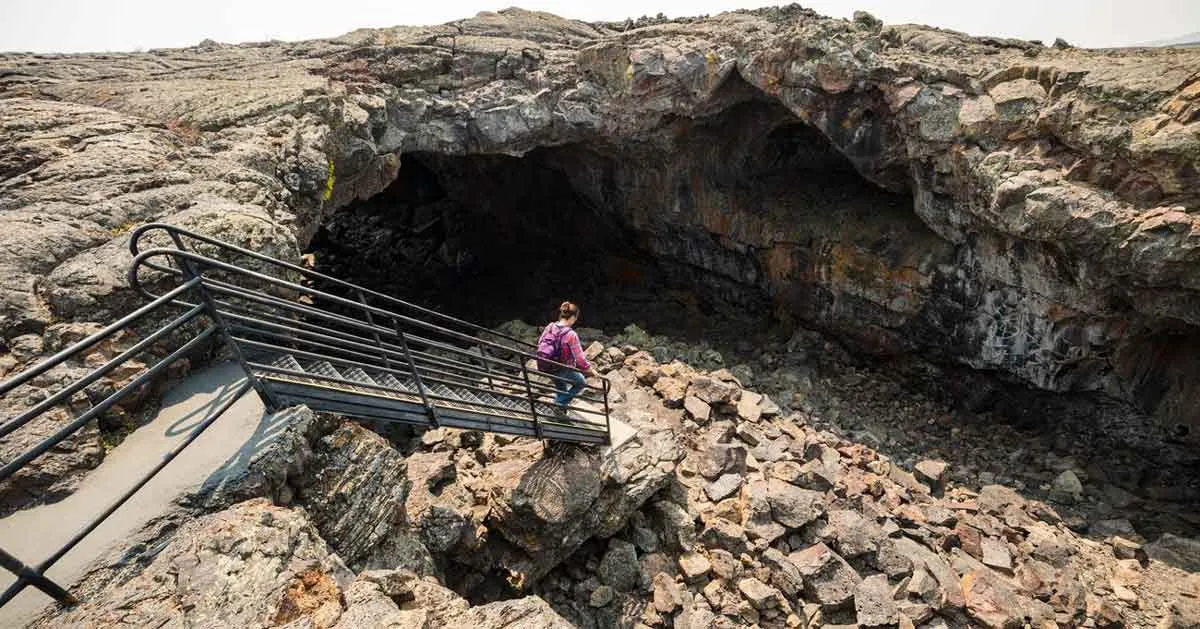
Not all monuments are about human history. Craters of the Moon in Idaho spreads across over 1,000 square miles of lava fields and grasslands, sitting along the Great Rift where Earth's crust cracks deepest. Dinosaur National Monument on the Colorado-Utah border contains over 800 fossil sites, windows into a world 150 million years old. Katahdin Woods and Waters protects 87,500 acres of Maine's North Woods—land that has sustained the Wabanaki people for 11,000 years.
César E. Chávez National Monument in California marks the home and burial site of the labor and civil rights activist, preserving the headquarters of the United Farm Workers movement he helped build.
These ten sites represent a different kind of American story—one that includes the people usually written out of the main narrative. They're not always comfortable to visit. But that's the point. A complete history includes the parts we'd rather forget, the communities we overlooked, the depths of time that dwarf our own moment. The National Park System has 433 sites across the country. Most Americans will never see all of them. But if you're looking for a story that challenges what you thought you knew, one of these monuments is probably closer than you think.