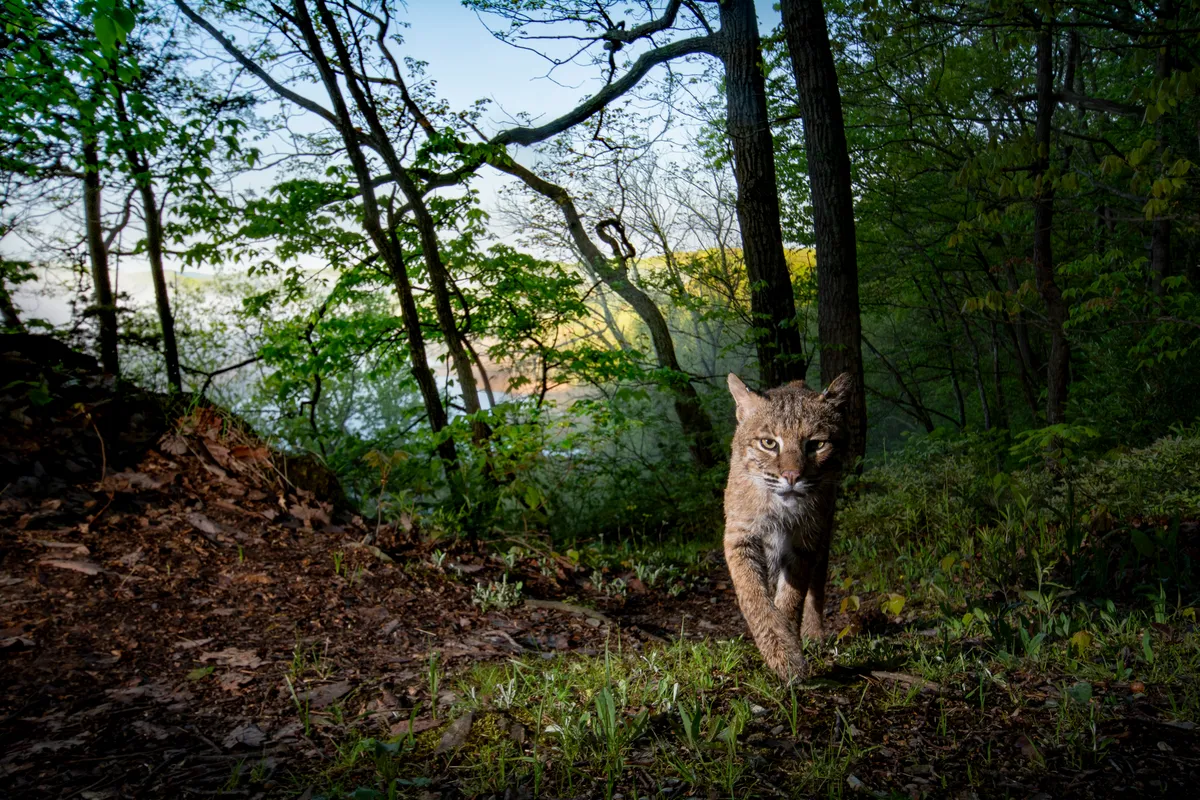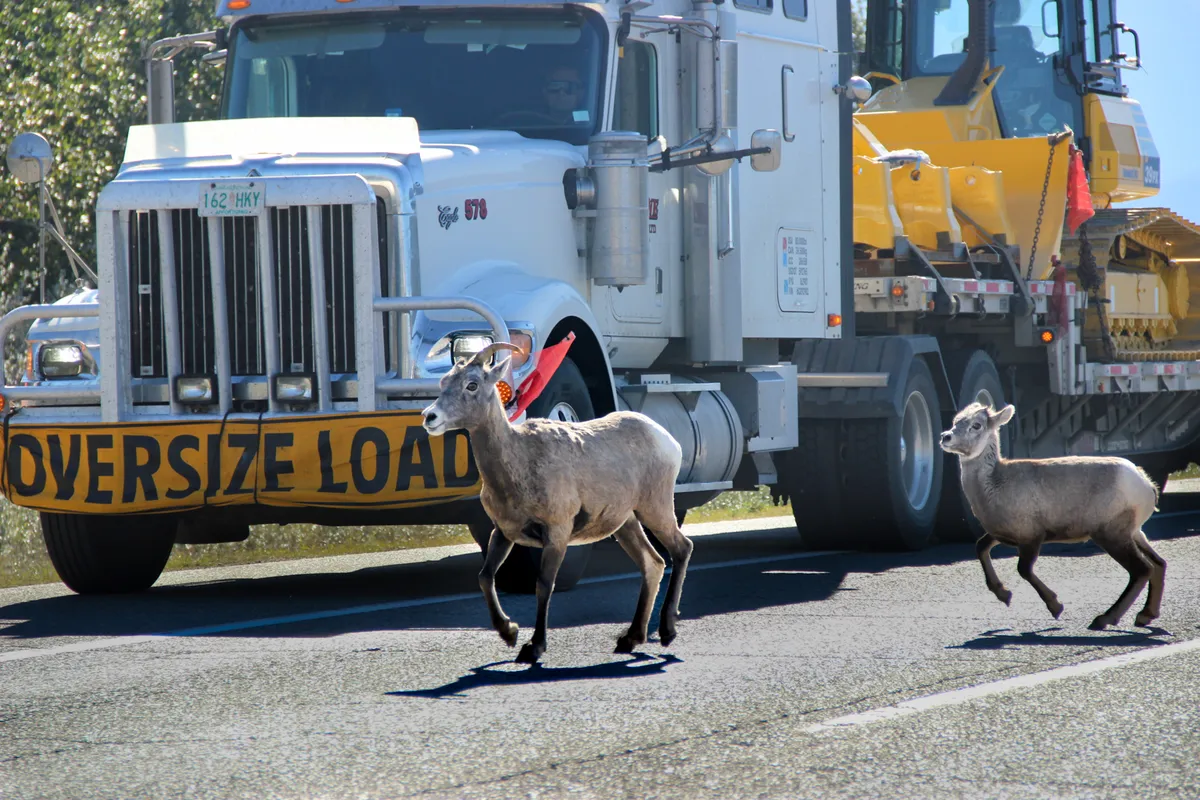
Imagine being a mule deer, just trying to get from your favorite alpine forest hangout to the eastern prairies for some snacks, only to find a six-lane asphalt river of 100,000 cars a day in your way. That's I-25 in Colorado, and for decades, it was less a highway and more a wildlife death trap.
Between 2018 and 2020 alone, a mere 14-mile stretch of that road claimed 76 deer, 15 bears, and 10 pumas. Which, if you're a puma, is a truly terrible commute. Beyond the obvious danger, this concrete behemoth also severed ancient migration routes, essentially telling elk, "Sorry, your family reunion is now permanently split down the middle."
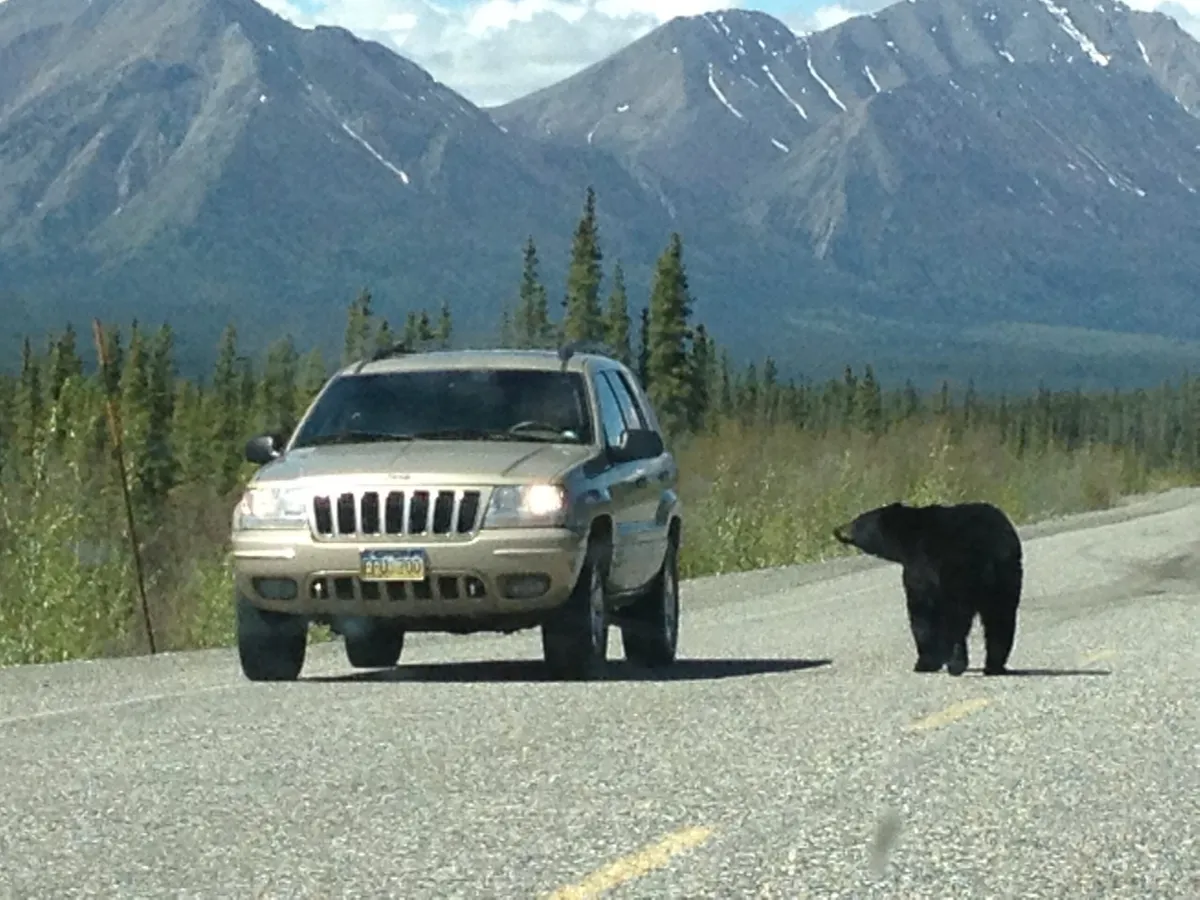
But Colorado, bless its forward-thinking heart, decided that enough was enough. In 2021, they quietly slid five massive dirt-floored underpasses beneath I-25, complete with 25 miles of fencing to gently guide animals to the safest routes. Think of it as a VIP tunnel service for the local fauna.
We're a new kind of news feed.
Regular news is designed to drain you. We're a non-profit built to restore you. Every story we publish is scored for impact, progress, and hope.
Start Your News DetoxThen, in December 2025, they went full blockbuster. Near Greenland (the Colorado one, not the icy country), a colossal wildlife overpass was completed. This isn't just a bridge; it's a 200-foot-wide, 209-foot-long green highway in the sky, letting everything from bears to bunnies stroll safely over six lanes of traffic. It's one of the largest in the world, a testament to the idea that maybe, just maybe, we can share the road.
These projects aren't just saving lives; they're knitting habitats back together, allowing animals to roam as nature intended. Because apparently, we've decided that giving wildlife its own personal highway is a much better solution than, well, the alternative.