Back in the 19th century, building a railway in the UK was a whole thing. We're talking Acts of Parliament, endless red tape, and enough bureaucracy to make a modern-day city planner weep. But then, in 1883, something a little different rolled into Cambridgeshire: the Wisbech and Upwell Tramway.
This wasn't your granddad's railway. This was a rebel, built under the Tramways Act of 1870, making it a glorious hybrid — part streetcar, part freight train, and entirely unique. It was so innovative, it practically paved the way for the Light Railway Act of 1896, which, you guessed it, made building more rural railways a lot less painful. Essentially, it was the beta test for an entire network.
Operated by the Great Eastern Railway, this six-mile line snaked from Wisbech into the fens, ending in the charmingly agricultural village of Upwell. While passenger service was definitely a thing (six trips a day at its peak, often with freight cars hitched on like an awkward caboose), this tramway's real hustle was moving goods. Think local farm produce — mountains of fruit, sacks of potatoes — heading out, and tons of coal heading in, much of it to fuel the steam engines draining the fens. During fruit season, it was pure chaos, with hundreds of wagons needing storage and a special mobile office just to keep track of it all.
We're a new kind of news feed.
Regular news is designed to drain you. We're a non-profit built to restore you. Every story we publish is scored for impact, progress, and hope.
Start Your News DetoxMeet the Sheds on Wheels
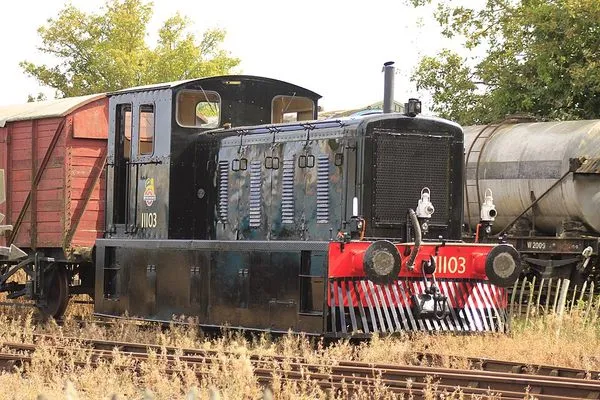
Because it was technically a street tramway, the locomotives had to play by different rules. The Board of Trade, presumably worried about rogue cows and startled pedestrians, insisted on cow catchers and side skirts. The result? The legendary "Tram Engines" — four-wheeled steam locomotives that looked less like a train and more like a very determined shed on wheels. With two cabs, they could go either way without turning around, which is both impressive and highly practical.
And here's where it gets really good for anyone who spent their childhood glued to the TV: these quirky engines were the direct inspiration for Toby, the Tram Engine, from the Thomas the Tank Engine series. His passenger coach, Henrietta, was also a nod to the tramway's original carriages. Later, even Mavis, the feisty diesel shunter, took her cues from the Wisbech and Upwell stock.
Why the deep dive into this obscure tramway for Rev. W. Awdry, the creator of Thomas? He lived near the line from 1953 to 1965. So, he wasn't just imagining these characters; he was watching their real-life counterparts chug along. The original steam engines eventually gave way to six-wheeled versions, then to diesel locomotives in 1952. Even these diesels kept the signature cow catchers and side skirts, a truly rare sight for British diesels, ensuring Mavis got her distinctive look.
The End of the Line, But Not the Story
The tramway's speed was, shall we say, leisurely — maxing out at 12.5 mph after 1904. After WWI, motor buses came along offering a zippier option, and passenger services bowed out in 1927. Freight, however, kept on trundling until 1966. The very last scheduled train ran on May 20, 1966, before the tracks were eventually pulled up.
Today, the physical evidence is mostly gone, but echoes remain in street names like "The Tramway" and "Tram Station Lane." And for railway enthusiasts and Thomas fans alike, the memory of those peculiar sheds on wheels, and the pioneering spirit they represented, ensures the Wisbech and Upwell Tramway continues to chug along in our imaginations.