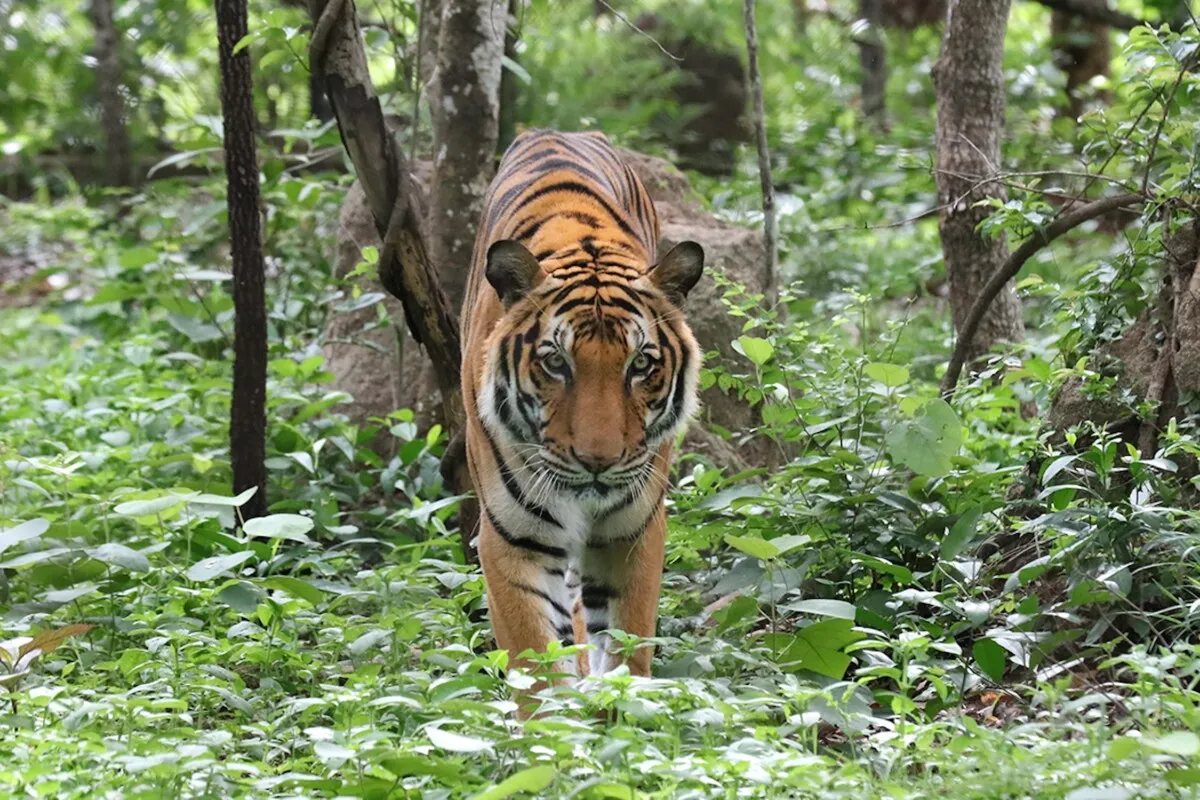
Lions, tigers, and bears aren't just iconic wildlife — they're also the most popular mascots in professional sports. A new study found that across 50 countries and 10 different sports, 727 professional teams use wild animals in their names, logos, or fan identities. The kicker: the five most common mascots — lions, tigers, grey wolves, leopards, and brown bears — are all threatened in the wild.
Researcher Ugo Arbieu at Paris-Saclay University led the work, which catalogued 161 distinct animal species across these teams, from mammals and birds to insects and sharks. What stood out wasn't just the variety. It was that teams disproportionately chose threatened species and animals with declining populations as their mascots — essentially picking the animals most in trouble.
A Billion Fans, One Untapped Opportunity
Here's where it gets interesting. These 727 teams collectively reach more than a billion people on social media. That's a staggering amount of emotional real estate. Fans don't just casually like their mascot — they wear it, chant it, build identity around it. The research suggests that bond could be redirected toward actual conservation.
We're a new kind of news feed.
Regular news is designed to drain you. We're a non-profit built to restore you. Every story we publish is scored for impact, progress, and hope.
Start Your News Detox"Animal imagery is everywhere," Arbieu told Mongabay. "Across five continents, across all sports, for men's and women's teams." Beyond the obvious big cats and wolves, he noted, there's a long tail of unique species represented — creatures most people have never heard of, let alone cared about.
That matters because fans already have an emotional connection to these animals. They just don't know their mascot is endangered. A team could flip that script: use game day announcements, social media, stadium signage, and merchandise to educate fans about what their mascot actually faces in the wild. Partner with conservation organizations. Fund habitat protection. Turn a logo into a lifeline.
The potential is genuinely wild. Imagine a single professional sports franchise — with millions of passionate followers — mobilizing even a fraction of that fanbase toward protecting their namesake species. Scale that across hundreds of teams, and you're looking at a conservation network that rivals many traditional environmental organizations in reach and resources.
No one's saying a team jersey will save an endangered species. But a billion people who suddenly care about whether their mascot exists in 50 years? That changes the political math around conservation spending, habitat protection, and climate policy. The emotional bond between fan and mascot is already there. It just needs direction.