A Genetic Comeback Story
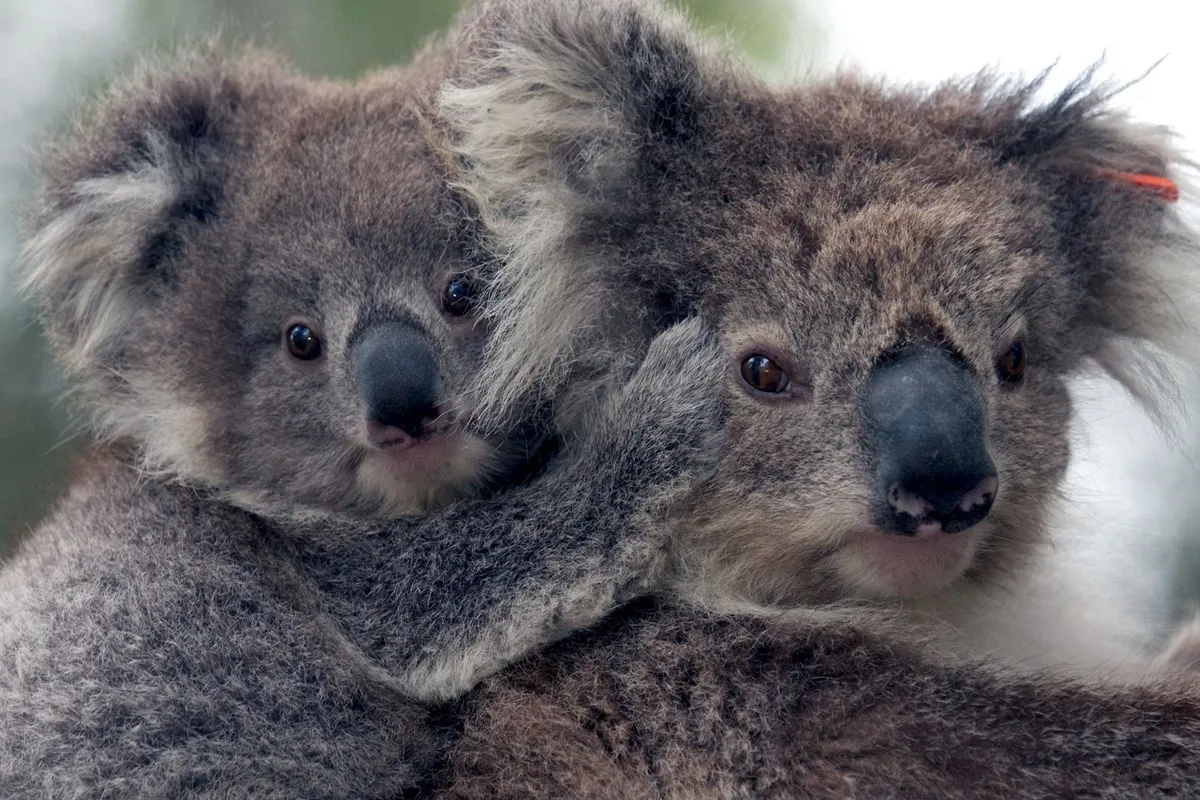
A hundred years ago, koalas were nearly gone. By the 1920s, fewer than 500 remained in Victoria, Australia—hunted so aggressively for their fur that the species teetered on the edge of vanishing entirely. Then conservationists stepped in. By 2020, that same population had grown to nearly half a million animals.
The numbers alone are striking. But the real surprise happened at the genetic level, where things shouldn't have worked out this well.
When a population crashes that dramatically, something called a "genetic bottleneck" happens. Imagine a thousand people trying to fit through a doorway—only a tiny fraction make it through, and everyone on the other side is descended from just those few survivors. That's what happened to Victorian koalas. With so little genetic diversity to draw from, their descendants should have been walking genetic landmines: prone to inbreeding, deformities, weak immune systems, and no flexibility to adapt to new threats.
We're a new kind of news feed.
Regular news is designed to drain you. We're a non-profit built to restore you. Every story we publish is scored for impact, progress, and hope.
Start Your News DetoxExcept that's not what happened. New research published in Science reveals that Victorian koalas' genetics are actually rebounding—and surprisingly fast. The reason is almost elegant in its simplicity: when the population exploded in size, more individuals were reproducing, which meant more opportunities for their DNA to shuffle and recombine. Over time, natural selection quietly pruned away the harmful combinations and kept the beneficial ones. The population grew so quickly that it essentially rewrote its own genetic story.
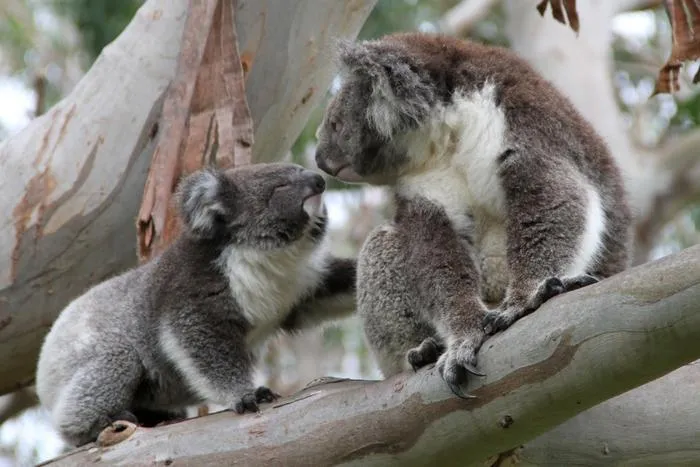
"Victorian populations are recovering in a way that we weren't reporting before," says Collin Ahrens, an evolutionary biologist at Cesar Australia. "A larger population means more individuals are reproducing, which in turn means more recombination events occur. Over time, natural selection spreads beneficial combinations and gets rid of harmful combinations."
The Other Half of the Story
But here's where it gets complicated. This genetic recovery isn't happening everywhere.
Researchers examined the full genomes of 418 koalas across 27 different populations to understand the bigger picture—partly because catastrophic wildfires in 2019 and 2020 had sparked urgent questions about the species' survival. What they found was a tale of two regions.
In Queensland and New South Wales, where koalas were supposed to be genetically stronger, the picture is grim. These populations are shrinking due to habitat loss, fragmentation, urbanization, and disease. Even though they started with more genetic diversity than Victoria, they're now accumulating more harmful mutations—the opposite of what's happening down south.
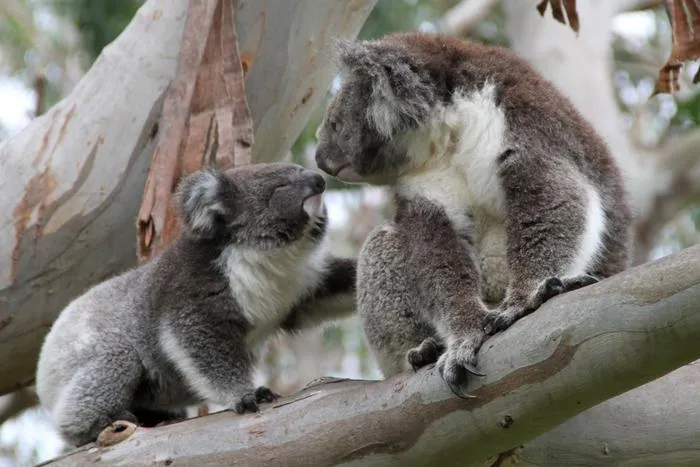
"In the north, we have a completely different picture," Ahrens notes. The regions aren't just experiencing different outcomes—they're on opposite genetic trajectories.
What This Means for Conservation
The Victorian koalas' recovery offers a genuine lesson for saving other species on the edge. It shows that population booms don't just bring back numbers—they can restore genetic health too. But it's not a universal solution. Cock van Oosterhout, an evolutionary geneticist at the University of East Anglia, cautions that rapid population growth is essentially a quick fix. More targeted approaches—possibly even genetic interventions—might be necessary for species that can't bounce back this way.
The real takeaway is that different regions need different strategies. Victoria's koalas responded to one approach; Queensland and New South Wales need something else entirely. As Ahrens puts it: "Populations across regions have been managed very differently, which means that their genetic signatures also significantly vary. This work uses those differences to highlight a wider lesson in conservation genomics."
The koalas are showing us that extinction doesn't have to be permanent—but only if we understand what each population actually needs.