In 2019, ecological biologist Gao Chen was collecting seeds in China when he noticed a climbing vine loaded with what looked like plump, glossy berries. When he and his colleagues at the Chinese Academy of Sciences examined them closely, they realized the plant had pulled off something remarkable: it wasn't making berries at all. It was making fake ones.
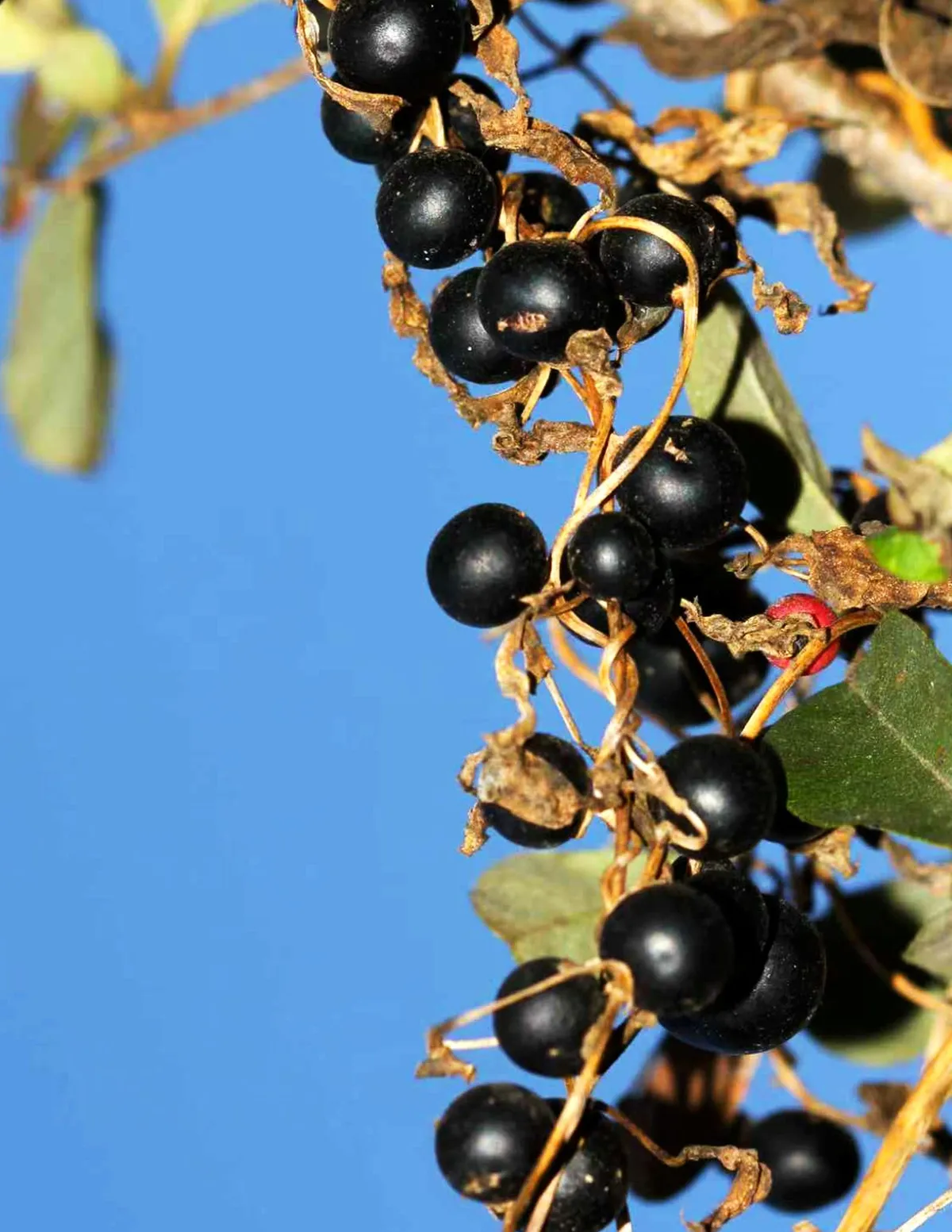
The black-bulb yam, a wild relative of cultivated yams found across South and Southeast Asia, had evolved an elegant deception. Unable to reproduce sexually like most plants, it instead clones itself through small, detachable buds called bulbils. The problem: these clones normally just drop to the ground near the parent plant, limiting where the species can spread. The solution: make them look irresistible to birds.
A Trick That Actually Works
The bulbils are dark, shiny, and shaped almost identically to real berries. To a bird's eye, they're nearly indistinguishable from the genuine fruit growing on nearby plants. When birds eat them, the bulbils pass through their digestive systems largely intact—usually within 30 minutes—and get deposited in droppings up to half a mile away. The birds get nothing nutritional from the interaction. The yam gets free long-distance dispersal.
We're a new kind of news feed.
Regular news is designed to drain you. We're a non-profit built to restore you. Every story we publish is scored for impact, progress, and hope.
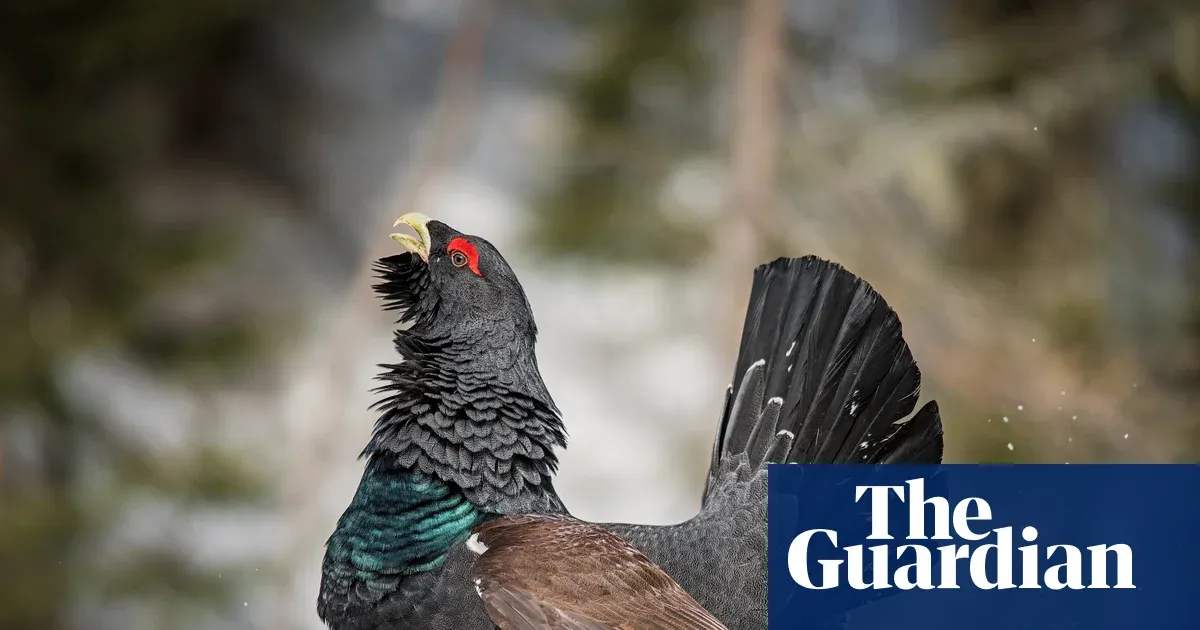
Start Your News DetoxChen's team spent three years documenting this exchange, setting up cameras near 27 black-bulb yam plants. They recorded 22 bird species taking the bait, with the brown-breasted bulbul—a small songbird common to the region—among the most frequent visitors. Crucially, the birds only seemed interested in the fake berries when real ones were scarce, suggesting they could tell the difference but would eat them out of necessity.
The researchers published their findings in January in the Proceedings of the National Academy of Sciences, describing what evolutionary ecologist Kenji Suetsugu of Kobe University called "a clever evolutionary workaround."
The black-bulb yam isn't alone in this strategy. Dozens of plants across the tropics produce what scientists call "mimetic seeds"—seeds wrapped in fruit-like coatings that look nutritious but offer almost nothing. The marble berry and common peony use this tactic. Some plants push the deception further: silver arrowreed, a grass, produces seeds that look and smell like antelope droppings, tricking dung beetles into burying them in ideal growing spots.
These aren't accidents of evolution. They're the result of what Jeremy Midgely, an evolutionary ecologist at the University of Cape Town, calls "a lot of chemical evolution"—plants and animals locked in an arms race where each side keeps refining its strategy. The black-bulb yam's success suggests that even asexual plants can find ways to spread when the pressure is on.