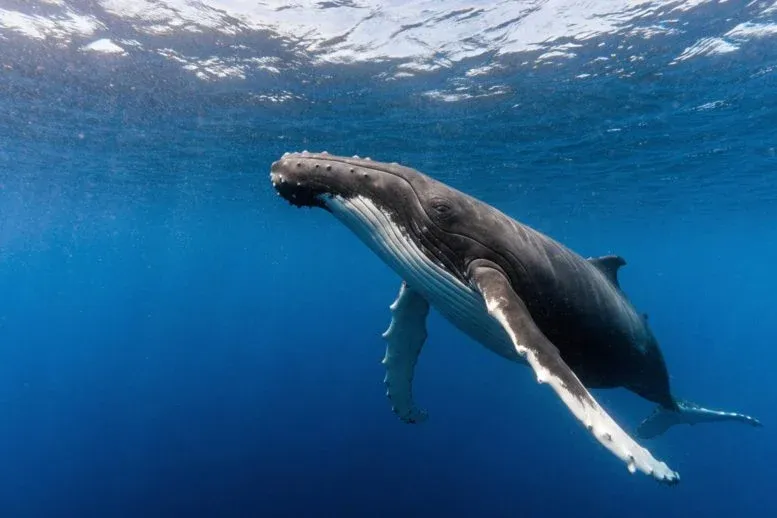
Thousands of large whales are now gathering off East Greenland. This area barely existed as a feeding ground a generation ago.
Fin whales, humpback whales, and common minke whales are all showing up along a coastline where they were once rare. Researchers say warmer water, less sea ice, and a big shift in their food sources have allowed these whales to move deep into the Greenland Sea. This includes areas north of the Arctic Circle.
This change shows how climate change can completely reshape an ecosystem. While warming hurts many Arctic species, it can also open new places for animals that used to avoid ice.
We're a new kind of news feed.
Regular news is designed to drain you. We're a non-profit built to restore you. Every story we publish is scored for impact, progress, and hope.
Start Your News DetoxWhales Move North
Professor Mads Peter Heide-Jørgensen from the Greenland Institute of Natural Resources explained that rising ocean temperatures and less sea ice have helped baleen whales spread along the East Greenland coast. They are now found as far north as 70°N. This has led to regular "feeding frenzies" involving fin, humpback, and common minke whales. Historically, these species were rarely seen in coastal East Greenland.
Heide-Jørgensen and his team from Greenland, Denmark, and Iceland reported these changes in Frontiers in Marine Science. They suggest that so many large predators arriving could eventually change the entire food web in the region.
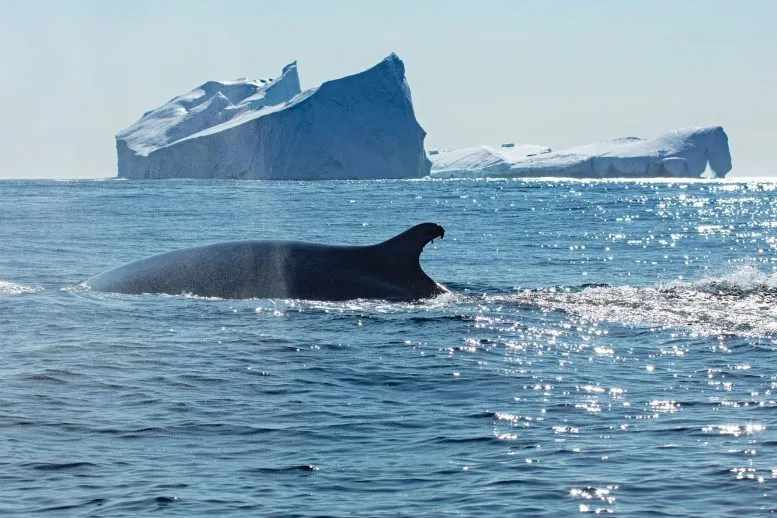
This shift is happening in one of the fastest-warming parts of the planet. Most of the Arctic and North Atlantic are heating up quickly. Sea surface temperatures east of Greenland have gone up by about 2°C (3.6°F) since the 1990s.
After the mid-2000s, the summer ice edge also moved sharply northward. The thick pack ice that once covered much of the East Greenland coast became much smaller. This opened up waters that baleen whales usually avoided.
Tracking Three Decades of Whales
To understand how much the region had changed, researchers looked at different types of information from nearly 40 years. They did the first organized aerial surveys of baleen whales within 50 kilometers (31 miles) of the East Greenland coast in August 2015 and again in 2024.
The team also used airborne observations from summer 2022. They included reports from Inuit hunters collected between 2023 and 2025. Ship records from North Atlantic Sighting Surveys going back to 1987 were also used. Movement data from 15 satellite-tagged baleen whales, tracked between 2019 and 2025, showed how the animals used the area.
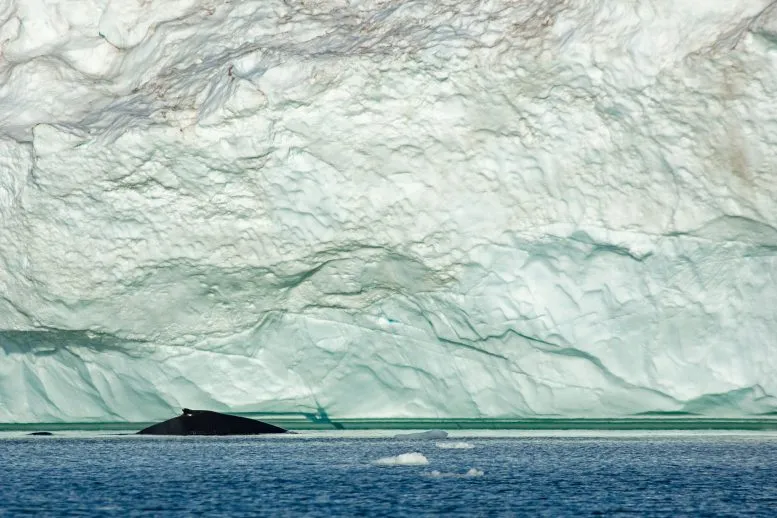
Researchers then created a mathematical model to find patterns in all this information. Historical data on sea surface temperature, saltiness, and ice concentration helped them figure out which environmental changes best explained why more whales were showing up.
Together, this data created a very detailed record of how many baleen whales have been in the Greenland Sea over about three decades.
Whale Sightings Soar
All the evidence showed the same thing. Between 1987 and 2024, baleen whales became much more common along the East Greenland coast. This was true north of 60°N and west of 29°W.
Ship surveys saw no humpback whales before 2006. Seven were seen in 2007, then 26 by 2015, and over 150 by 2024. Minke whale sightings were rare until 1995, but ships regularly recorded between 10 and 20 each year after 2001. Fin whale sightings also increased a lot during this time.
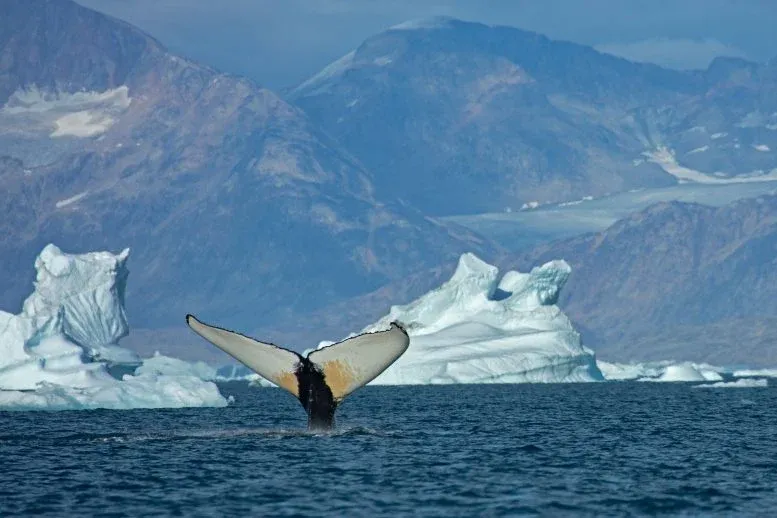
By August 2025, one ship crew saw amazing groups of up to 50 baleen whales at once near 69°N, north of the Arctic Circle. Aerial surveys in 2015 and 2024 found all three species spread almost continuously between 60°N and 70°N.
The researchers believe that at least 4,000 humpback whales, 6,000 fin whales, and 6,000 minke whales entered the Greenland Sea during summer 2024.
Capelin Fuel the Arctic Feeding Boom
The authors noted that the three baleen whale species spending their summers in East Greenland coastal waters are mainly there to feed.
The main food source seems to be capelin. This is a small, cold-adapted fish that connects plankton to large ocean predators. Capelin are important food for whales, seabirds, seals, and bigger fish. This means a change in where capelin live can affect much of the surrounding ecosystem.
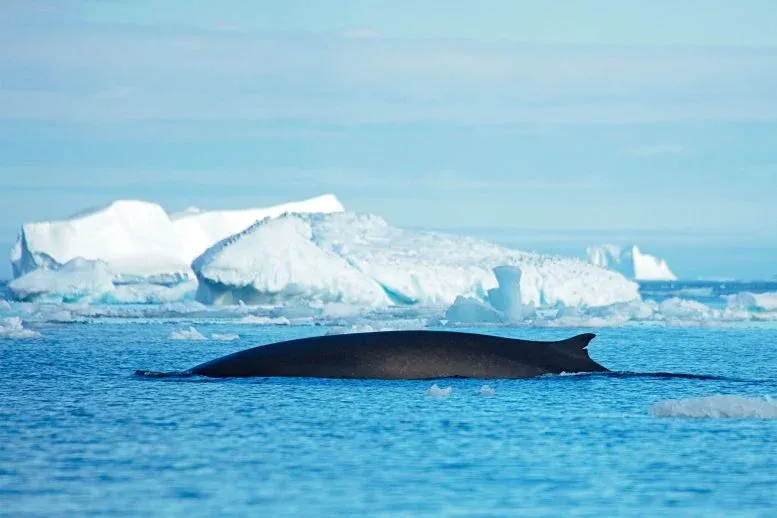
Since the mid-2000s, capelin have moved their feeding grounds. They left the warmer waters north of Iceland and went into the Greenland Sea. The whales seem to have followed this movement, tracking a major food source into areas that became easier to reach as the ice disappeared.
This region has never had a commercial capelin fishery. So, the growing whale populations are not currently competing with people for the same fish.
A Changing Marine Ecosystem
For now, the whales' arrival might seem like a feeding success story. However, it also points to a bigger change happening in the Arctic. Animals that prefer open water are moving into places that used to be home to species that rely on sea ice.
Heide-Jørgensen concluded that East Greenland is going through a major ecological shift. Ice-loving species like narwhals are increasingly sharing their habitat with, or being pushed out by, whales that usually avoid ice. This big change in species shows how climate change is reorganizing the East Greenland marine ecosystem. This could have long-lasting effects.
Deep Dive & References
Feeding frenzies of baleen whales along East Greenland - Frontiers in Marine Science, 2026