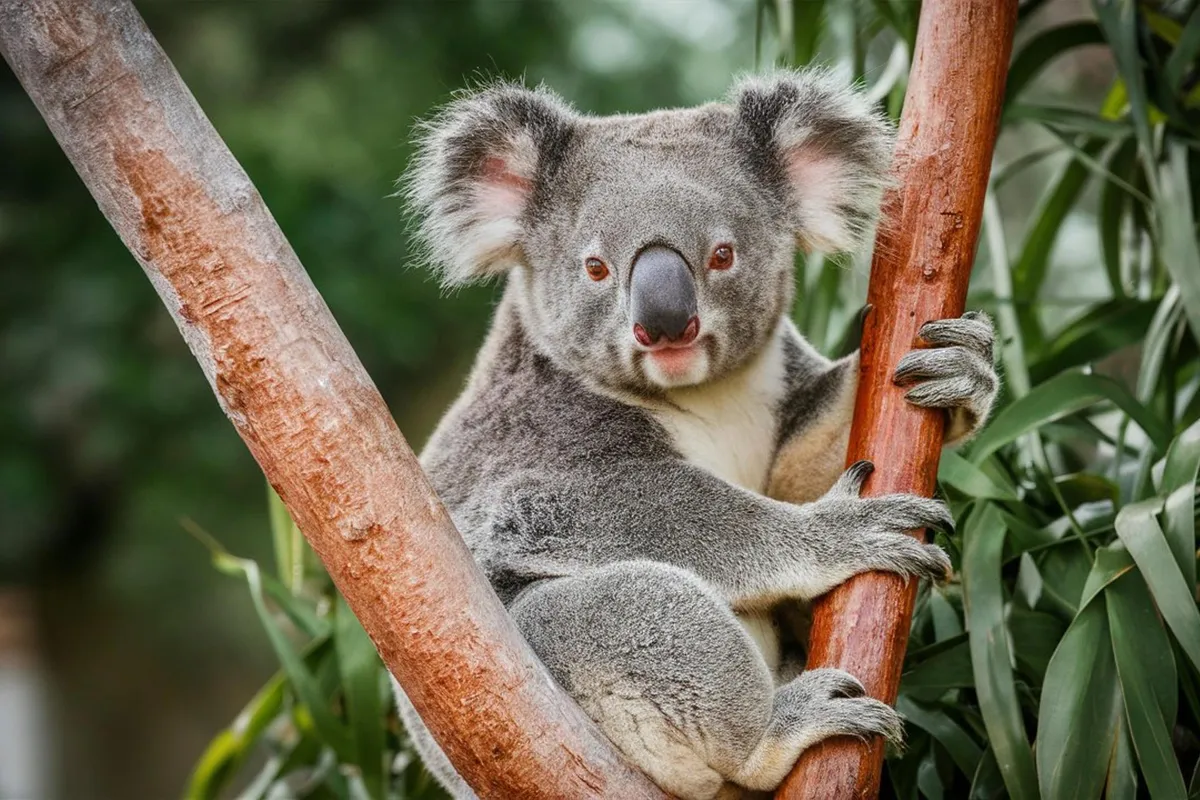
In most of Australia, koalas are vanishing. But in the Mount Lofty Ranges near Adelaide, the opposite is happening: their population is thriving so dramatically that it's eating itself toward collapse.
Researchers from Flinders University and the University of Wollongong have mapped a problem that sounds paradoxical until you think about it clearly. The region now holds roughly 10% of Australia's entire koala population — an unusually dense concentration. If nothing changes, that number will swell by another 17–25% over the next 25 years. More koalas means more mouths stripping eucalyptus leaves from the same finite forest. The math is brutal: mass starvation.
"Koalas are in steep decline across much of eastern Australia, but in South Australia's Mount Lofty Ranges, the opposite problem is happening," said Dr. Frédérik Saltré of the Australian Museum and UTS. "This should be good news, but these numbers are concerning."
We're a new kind of news feed.
Regular news is designed to drain you. We're a non-profit built to restore you. Every story we publish is scored for impact, progress, and hope.
Start Your News Detox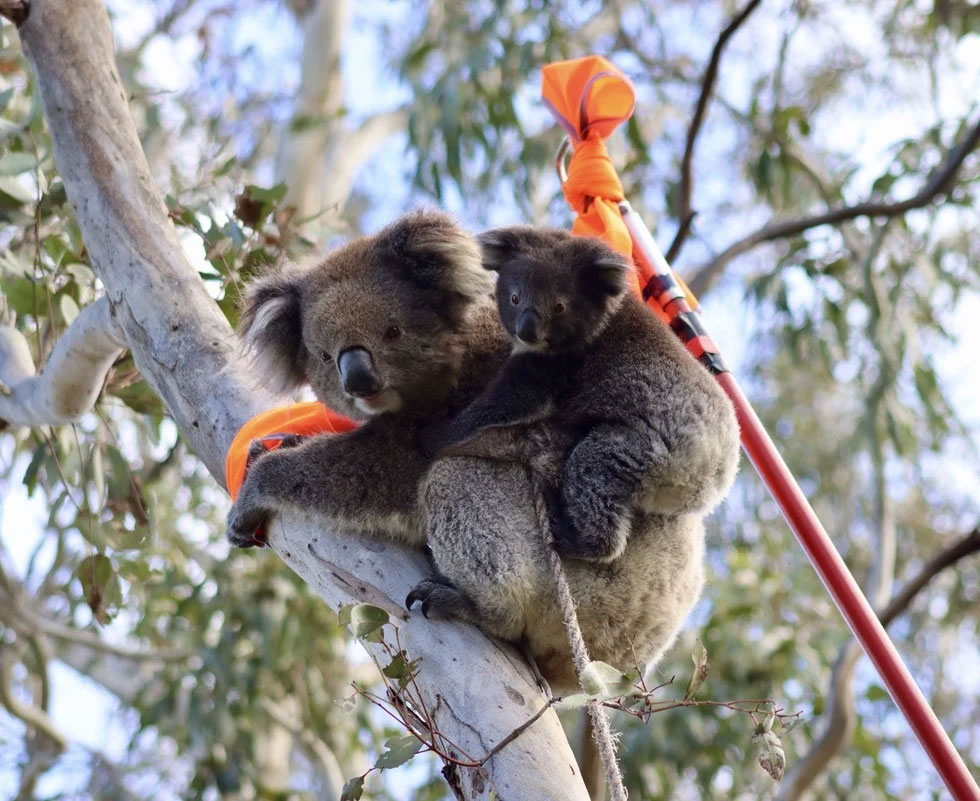 Researchers say koala densities in many areas in SA are above what is considered sustainable. Credit: Professor Corey Bradshaw, Flinders University.
The Dilemma
Here's where conservation gets complicated. You can't just cull an icon. Public opinion, animal welfare concerns, and the sheer emotional weight of removing a beloved native species make traditional population management almost impossible. Yet doing nothing guarantees ecological damage and, eventually, mass death from starvation anyway.
Dr. Katharina Peters, co-author at the University of Wollongong, framed it plainly: "We are faced with a difficult conservation dilemma... How do we manage a species that is now threatened by its own abundance, and do so in a way that protects both animal welfare and long-term ecosystem health?"
The researchers tested a different approach: fertility control. Their computer simulations show that treating about 22% of adult female koalas each year would stabilize the population without culling a single animal. By concentrating these efforts in the most densely packed areas rather than spreading them thin across the whole region, the strategy becomes both feasible and cost-effective — roughly $34 million over 25 years.
The real innovation isn't the fertility control itself. It's the method: using predictive modeling to identify which strategies will actually work before spending the money and effort. "Instead of spending money on a conservation plan without knowing whether it will succeed, we use computer simulations to identify in advance which strategies are most likely to work," Dr. Saltré explained.
This matters beyond koalas. As climate change reshapes where species can live and how ecosystems function, wildlife managers will face more of these collision points — where abundance becomes a problem, where public values clash with ecological needs. The Mount Lofty Ranges offers a template: anticipate the crisis, model the solutions, act before the system breaks.