Toyota is joining forces with Daimler Truck and Volvo Group to boost hydrogen fuel-cell technology. This partnership aims to create zero-emission heavy-duty vehicles.
The three companies will become equal owners in Cellcentric. This joint venture focuses on fuel-cell tech for cargo trucks and off-road heavy-duty vehicles. Cellcentric was already run by Daimler and Volvo. Now, Toyota is also part of the team.
Together, they will develop, produce, and sell fuel-cell systems for these vehicles. They will also make key fuel-cell parts and help build hydrogen supply and refueling stations.
We're a new kind of news feed.
Regular news is designed to drain you. We're a non-profit built to restore you. Every story we publish is scored for impact, progress, and hope.
Start Your News DetoxToyota's Hydrogen Journey
Toyota has been working on fuel-cell technology for over three decades, starting in 1992. Since 2014, it has produced the Mirai, a hydrogen-powered sedan. The latest Mirai costs over $50,000. However, it has been Toyota's worst-selling model for the past two years, with only 210 units sold last year. Despite low sales, the Mirai is still planned for Toyota's 2026 lineup.
One big challenge for the Mirai is the lack of hydrogen refueling stations. In the US, you can mostly only drive a Mirai in California, where a few stations exist. Europe's hydrogen refueling network for heavy trucks is also just starting to be built.
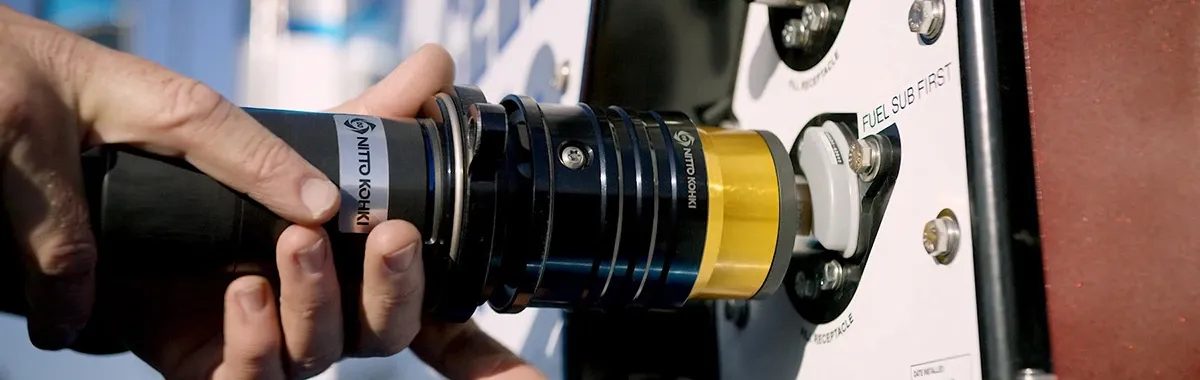
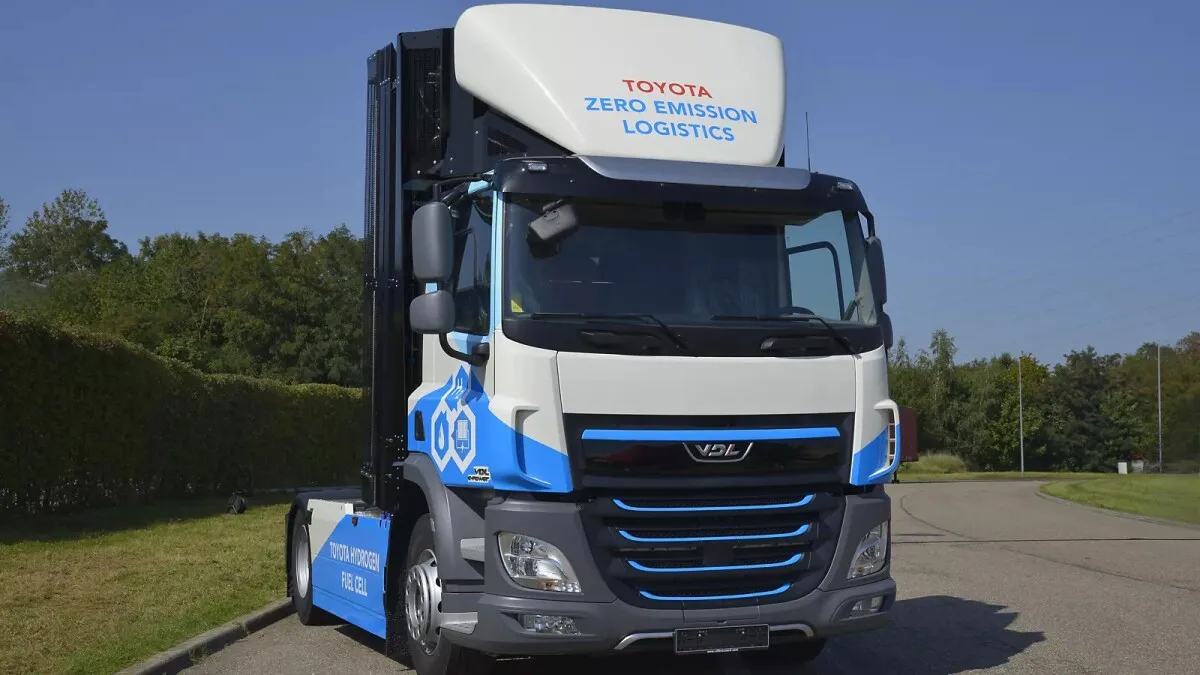
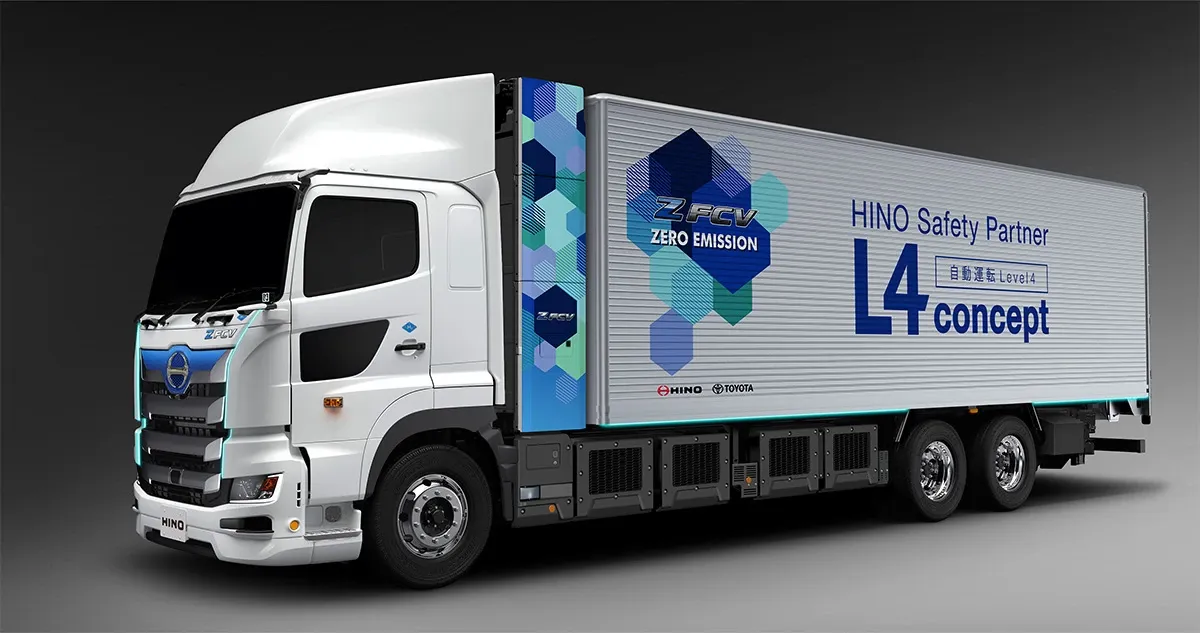
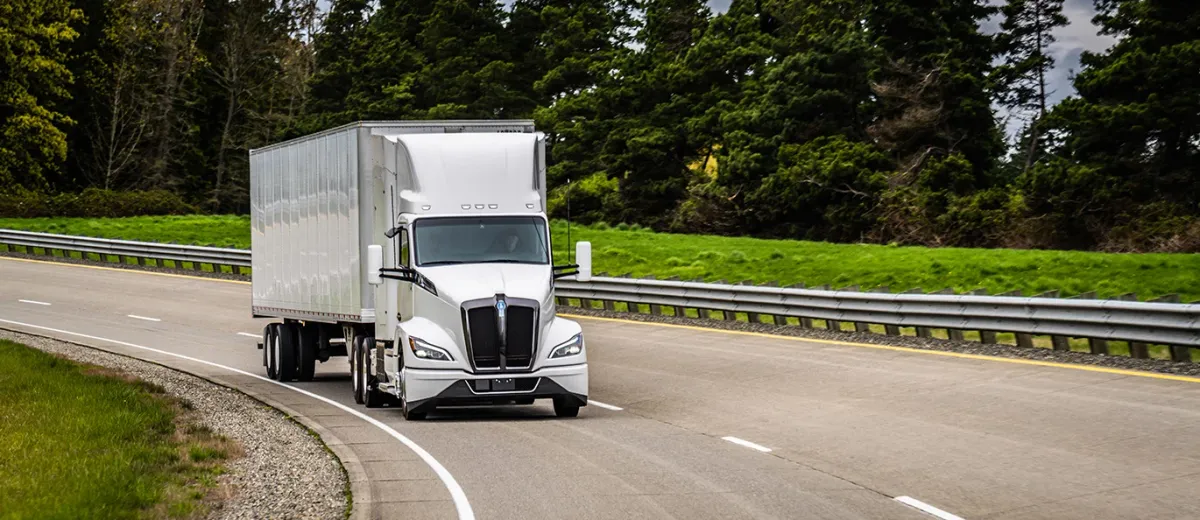
Toyota also has experience with fuel-cell systems for heavy-duty vehicles. In 2023, it worked with VDL to build a hydrogen-powered truck for testing. Last year, Toyota launched Japan's first commercial hydrogen-powered truck with its subsidiary Hino Motors. This truck has a range of over 400 miles (650 km). In the US, you can buy a Kenworth truck with Toyota's fuel-cell tech, offering 450 miles (724 km) of emissions-free driving.
Why Hydrogen?
Many advancements are happening in battery-electric technology, including solid-state batteries that offer longer range and faster charging. So, why focus on hydrogen?
Automakers see hydrogen as another way to cut emissions. Karin Rådström, CEO of Daimler Truck, stated that hydrogen technology complements battery-electric drives in making transport carbon-free.
Toyota aims to minimize its environmental impact and become fully carbon neutral by 2040. By joining Cellcentric, Toyota can use its 34 years of hydrogen experience to help decarbonize trucking in Europe. Europe's hydrogen infrastructure is expected to improve significantly by 2030.
Toyota is also investing heavily in battery-electric systems for consumer vehicles. This means the company is pursuing both battery-electric and hydrogen technologies to achieve its environmental goals.
Deep Dive & References: Toyota Motor Corporation Aims to Join Daimler Truck and Volvo Group as Equal Shareholder in the Fuel Cell Joint Venture Cellcentric - Daimler Truck North America