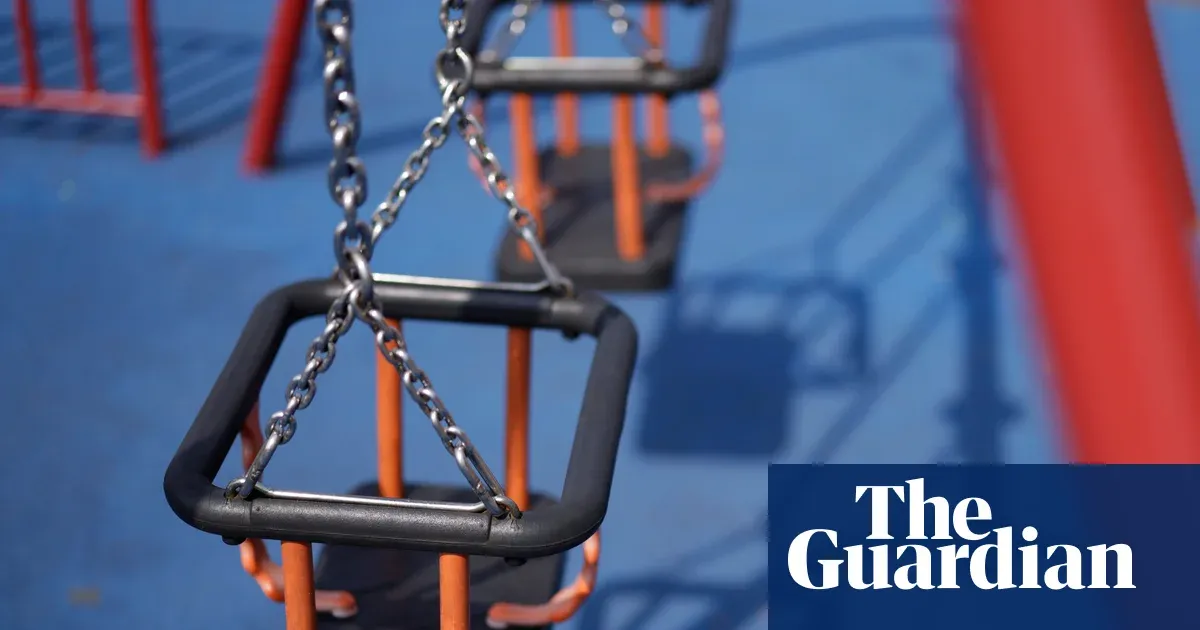
Campaigners tested soil and surfaces at 13 playgrounds across England and found traces of glyphosate—the weedkiller the WHO classified as a probable carcinogen in 2015—at eight of them. The catch: Hackney, which stopped using glyphosate in public green spaces in 2021, came back clean.
The Pesticides Action Network UK collected samples from playgrounds in Kent, Cambridgeshire, Milton Keynes, Tower Hamlets, and Hackney. They detected glyphosate or its breakdown product AMPA on swings, slides, and surrounding soil in most locations. For parents watching their children play, the worry is straightforward: young kids put their hands in their mouths, and pesticide residue on playground equipment is a direct route of exposure.
"It is deeply concerning to find a highly hazardous pesticide like glyphosate present in the very places where our children play," said Nick Mole of PAN UK. "We all know that young children tend to put their fingers and other items in their mouths, so finding glyphosate residues in playgrounds, including on play equipment such as swings and slides, is particularly worrying."
We're a new kind of news feed.
Regular news is designed to drain you. We're a non-profit built to restore you. Every story we publish is scored for impact, progress, and hope.
Start Your News DetoxThe science and the alternatives
Michael Antoniou, a molecular genetics specialist at King's College London, points to research linking glyphosate exposure to fatty liver disease, kidney damage, and several cancers including leukemias. He argues that regulators' claims about safety don't hold up against the latest evidence. "The assertion by government regulators that glyphosate is safe does not stand up to latest scientific scrutiny, which shows that a safe dose of glyphosate is, at present, unknown," he said.
But here's where the story shifts: Hackney's experience shows that councils have viable alternatives. The borough eliminated glyphosate from public spaces three years ago and found other ways to manage plant growth that work. Green MP Siân Berry has tabled a private member's bill calling for a nationwide ban on glyphosate in public areas, arguing that "councils have many other options than covering our children's local environment in hazards."
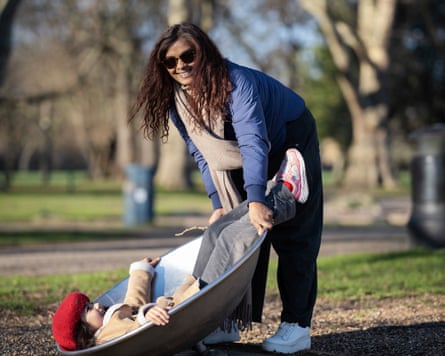
Parents aren't waiting for policy to shift. Dafina Bozha, watching her young daughter play, said simply: "This should be their safest place." Another mother, Naz B, echoed the tension at the heart of this: "The playground is supposed to be about nature and survival."
The pressure is building. Hackney's glyphosate-free track record over three years suggests that switching is feasible—not hypothetical. Other councils are now watching to see whether the practice spreads, or whether the status quo holds.