After two decades of negotiation, the UN's high seas treaty comes into force this weekend. But the UK risks showing up empty-handed to the first Ocean Cop summit—unless parliament acts fast.
The treaty, formally known as the Agreement on the Conservation and Sustainable Use of Marine Biological Diversity of Areas Beyond National Jurisdiction, finally has legal teeth. It creates the first-ever framework to protect marine life in international waters—the half of the planet that lies beyond any country's control and, until now, beyond any country's responsibility.
The UK signed the treaty in 2023, but ratification requires a bill to pass through parliament and be deposited at the UN. That bill is due for its third reading in the House of Lords on Monday. The problem: environmental charities are warning that if this doesn't happen by August, the UK could be excluded from the inaugural Ocean Cop summit—the global gathering where countries will decide how to actually use these new protections.
We're a new kind of news feed.
Regular news is designed to drain you. We're a non-profit built to restore you. Every story we publish is scored for impact, progress, and hope.
Start Your News DetoxHeads of 18 UK environmental organizations have written to the foreign secretary with a blunt message: 81 countries have already ratified the treaty, including China, France, Japan, Brazil, and Mexico. The UK, which prides itself on environmental leadership, is still waiting. "It would be a failure of leadership to miss it," the letter states.
What the treaty actually does
For the first time, countries can now establish marine protected areas on the high seas and set binding rules for how ocean resources get used. Dr Lance Morgan, chief executive of the Marine Conservation Institute, called it "a long-awaited turning point for ocean governance." For decades, these vast waters—and the abundance of life within them—were simply beyond reach. Now they're not.
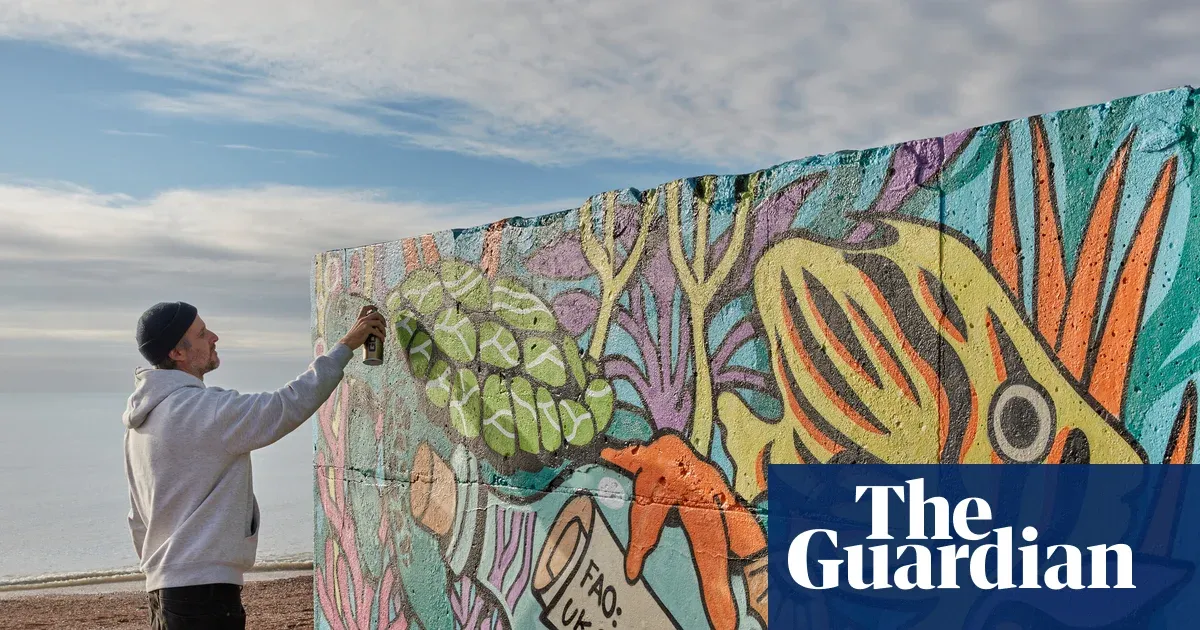
The symbolic stakes are high too. This weekend, a mural twice the length of a double-decker bus is being unveiled on a beach cafe in East Sussex. It's part of a global action where artists and Indigenous peoples across 13 countries painted ocean-inspired street art to mark the treaty's entry into force. The artwork is a visible reminder that this matters beyond the negotiating room.
The Foreign Office says it's committed to ratification "using the standard democratic parliamentary process." The clock is ticking—not because bureaucracy moves fast, but because history doesn't wait.