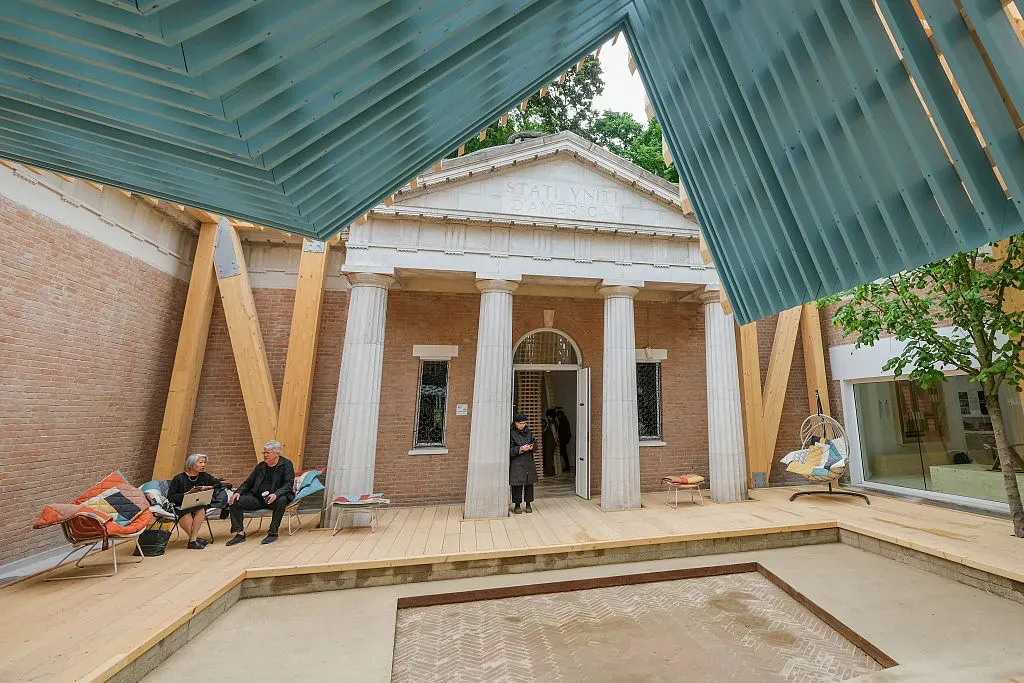
The U.S. State Department is on the hunt for architects. Not for a new embassy in a far-flung land, but for a design to represent America at the 2027 Venice Architecture Biennale. And they have a very specific — and very America-sized — request: whatever gets built absolutely must exemplify "America's exceptionalism."
Because apparently, that's where we are now. Architecture isn't just about shelter or aesthetics; it's a tool for foreign policy and public diplomacy. The chosen design isn't just showcasing American talent; it's also expected to boost the U.S.'s standing in the global creative industries and, naturally, advance both domestic and international safety and security. That's a lot of weight for a building, or even a concept, to carry.
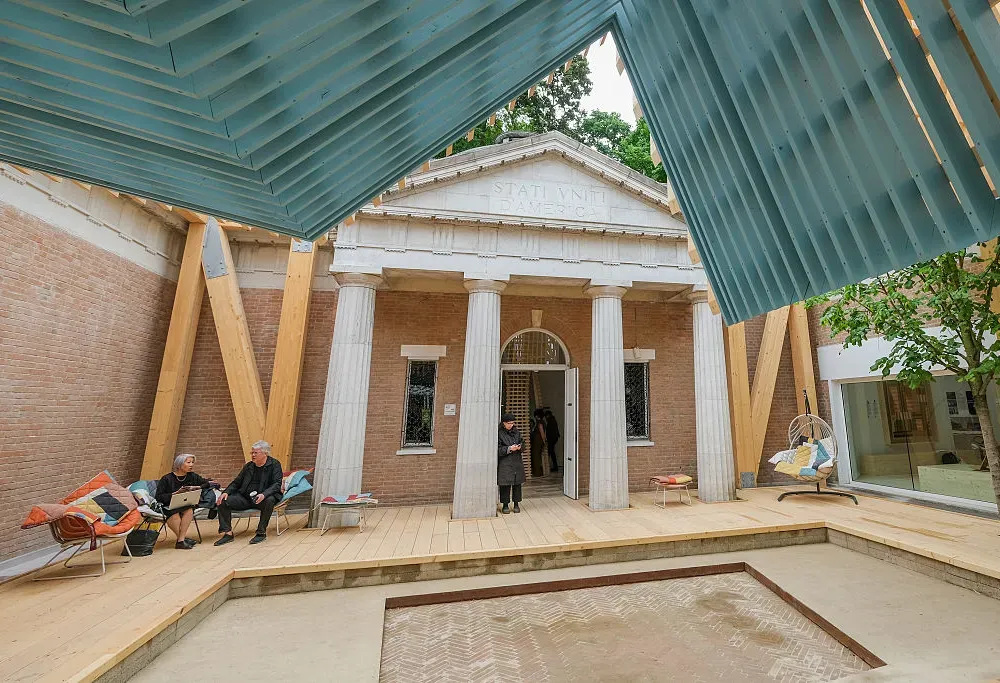
Architects (and anyone else with a grand vision) have until July 23 to submit their proposals. The winner gets a cool $475,000 grant, which, for those keeping score, is a $100,000 bump from the last time around. Inflation, even in international art grants, is real.
We're a new kind of news feed.
Regular news is designed to drain you. We're a non-profit built to restore you. Every story we publish is scored for impact, progress, and hope.
Start Your News DetoxNow, the main theme for the 2027 Biennale, as set by artistic directors Wang Shu and Lu Wenyu, is "Do Architecture—For the Possibility of Coexistence Facing a Real Reality." It's a rather poignant exploration of how design can help us all get along, especially in the face of global climate change. While national pavilions don't have to stick to the theme, many usually do. But when your marching orders are "exceptionalism," 'coexistence' might just take a backseat.
The U.S. Pavilion itself is a rather stately 1929 Palladian building in Venice's Giardini, designed by William Adams Delano and Chester Holmes Aldrich. Currently, it's hosting an exhibition of sculptures by Alma Allen.
A Brief History of Biennale Drama
This isn't the first time the U.S. presence at Venice has gotten a bit... complicated. Back in 2025, the Trump administration introduced new rules, mandating that the American presentation "reflect and promote American values" and foster "peaceful relations." This led to a rather unusual selection process. The State Department, deviating from its standard practice of having experts from the National Endowment for the Arts review museum proposals, instead handed commissioner status to a new nonprofit, the American Arts Conservancy. The head of this group, Jenni Parido, reportedly lacked museum experience.
Reports at the time even suggested that several high-profile artists, including photographer William Eggleston, apparently declined invitations, citing worries about the political climate and the new leadership. Which, if you think about it, is both impressive and slightly awkward for the State Department. So, while the call for designs is out, the backdrop for American representation in Venice remains, shall we say, exceptionally interesting.