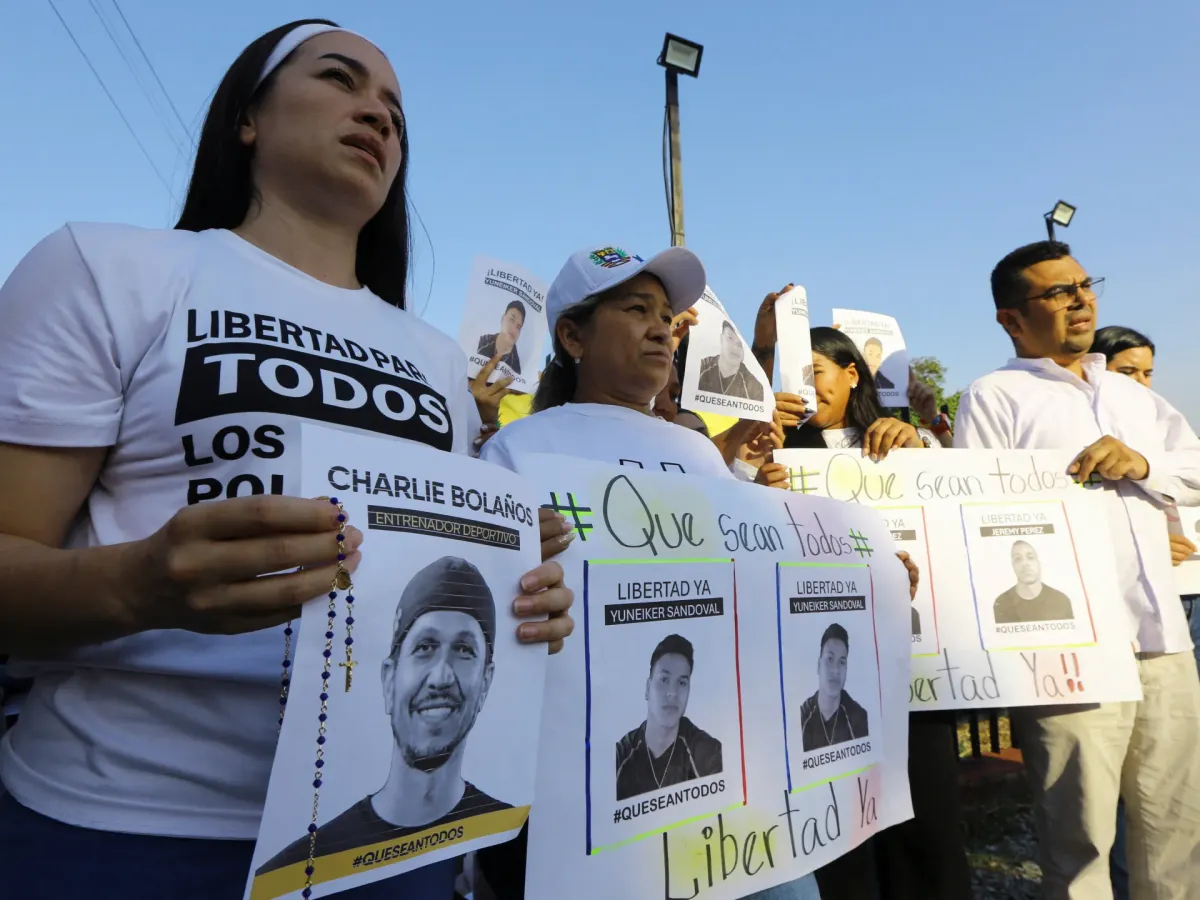
Venezuela's acting president has signed an amnesty law that could release more than 600 people held for political reasons — a reversal after decades of official denials that such detainees existed at all.
The law, signed this week, covers opposition members, activists, journalists, and human rights defenders detained over the past 27 years. It grants amnesty for involvement in political protests, actions during a 2002 coup attempt, and certain demonstrations or elections since 2004. For families and advocacy groups like the prisoners' rights organization Foro Penal, which has documented these cases for years, the shift marks a tangible opening.
Yet the response from within the opposition has been cautious. Pedro Urruchurtu, international relations director for opposition leader Maria Corina Machado, framed the law as "a trap to buy time," arguing that genuine amnesty shouldn't require legislation — a signal that some see the move as incomplete or conditional rather than a true reckoning.
We're a new kind of news feed.
Regular news is designed to drain you. We're a non-profit built to restore you. Every story we publish is scored for impact, progress, and hope.
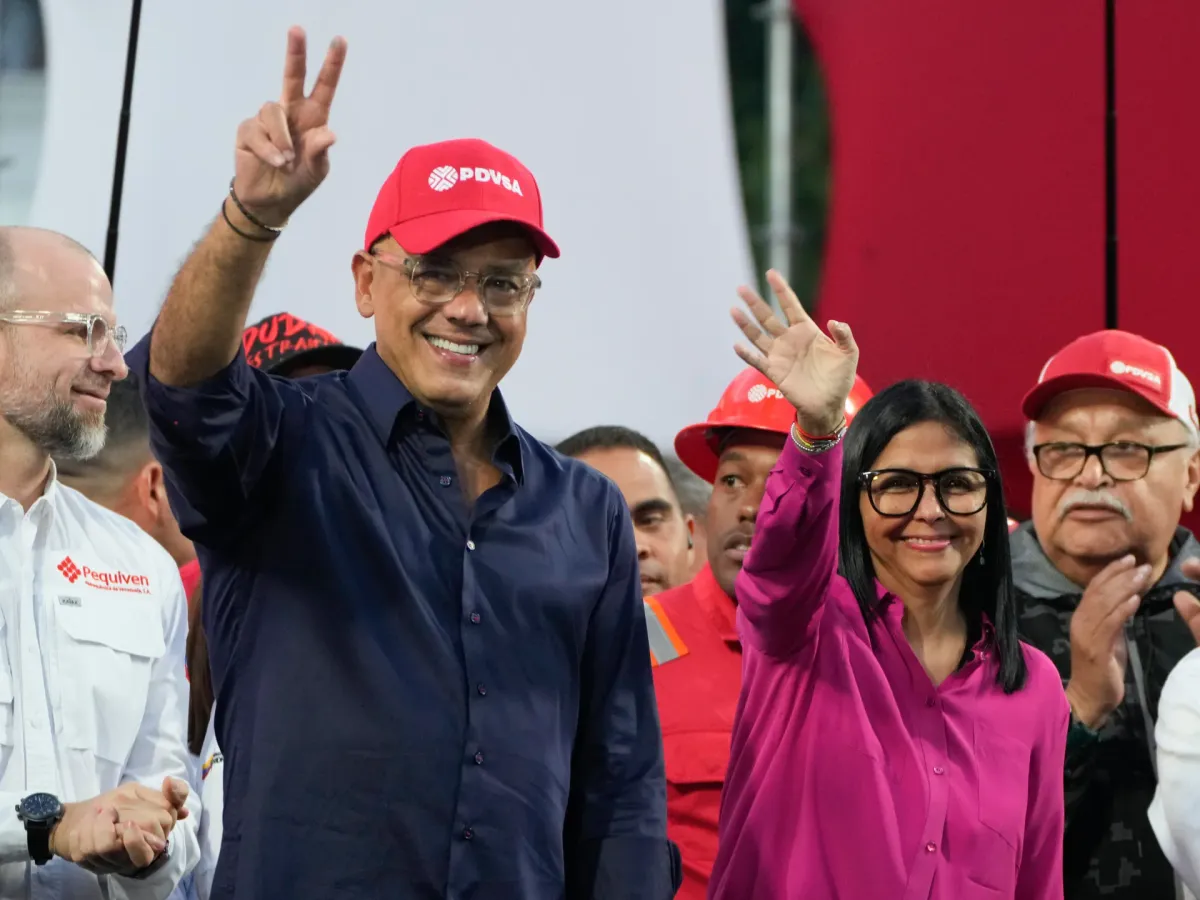
Start Your News DetoxThe timing matters. Acting President Delcy Rodriguez has made several concessions since January, including freezing oil shipments to Cuba and supporting legislation to open Venezuela's state-controlled oil industry to foreign investment. The US has indicated it will oversee proceeds from Venezuelan oil sales until what it defines as a "representative government" takes shape. The amnesty law sits within this broader negotiation, making its true scope harder to read from the outside.
What's clearer is that the law exists now — a legal mechanism that didn't before. Whether it translates into actual releases, and how quickly, will tell you more about the government's commitment than any statement can. The next phase is implementation, and that's where the real test begins.