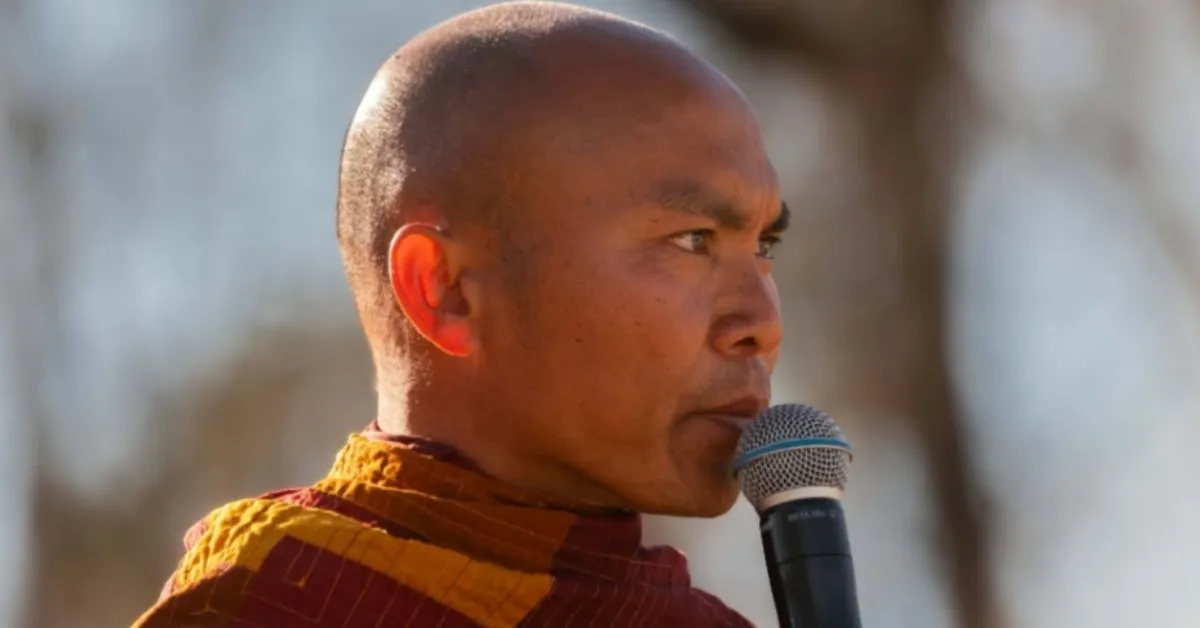

Javier Tarazona walked out of a Venezuelan prison on January 8 after spending 1,675 days documenting alleged abuses along the Colombian border—work that landed him in a cell in the first place.
Tarazona, director of FundaRedes, an organization that tracks violations by Colombian armed groups and the Venezuelan military, was arrested in July 2021 on terrorism and conspiracy charges. His family announced his release on social media with a simple statement: "One person's freedom is everyone's hope."
He wasn't alone. The Venezuelan government announced a series of prisoner releases the same day, with legal rights group Foro Penal confirming that several other political detainees left the Helicoide detention center in Caracas alongside him. The releases signal a shift in approach from the government, which has also unveiled a proposed amnesty law that could affect hundreds of people still imprisoned and those conditionally released in recent years.
We're a new kind of news feed.
Regular news is designed to drain you. We're a non-profit built to restore you. Every story we publish is scored for impact, progress, and hope.
Start Your News DetoxFor families of political prisoners, the news landed as vindication of a years-long campaign. Activists, journalists, and opposition figures have routinely faced accusations of terrorism and treason—charges their supporters call fundamentally unjust. Tarazona's case exemplified this pattern: his crime was documenting reality.
The timing matters. The prisoner releases arrived just as the top US envoy for Venezuela touched down in Caracas to reopen an American diplomatic mission after seven years of absence. It's a moment of diplomatic thaw in a relationship that has been frozen for years, marked by escalating sanctions and rhetoric.
What happens next remains uncertain. The proposed amnesty law could reshape the landscape for hundreds of detainees, but implementation will depend on political will and pressure from rights advocates who have fought for cases like Tarazona's. For now, one family has their answer to the question they've asked every day for four and a half years.