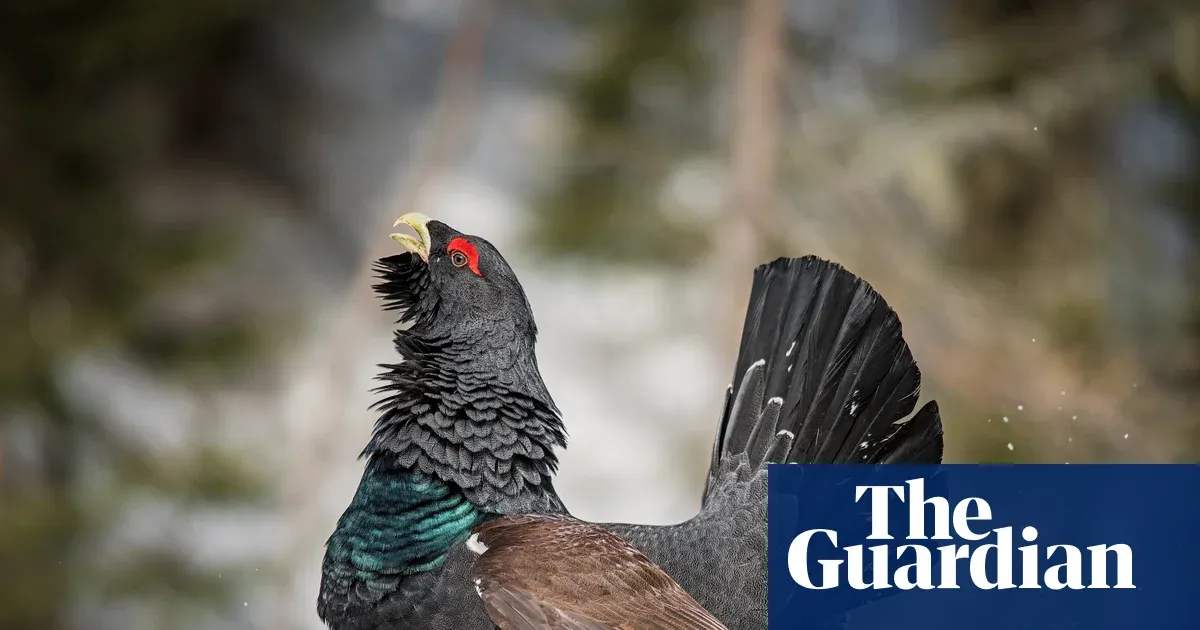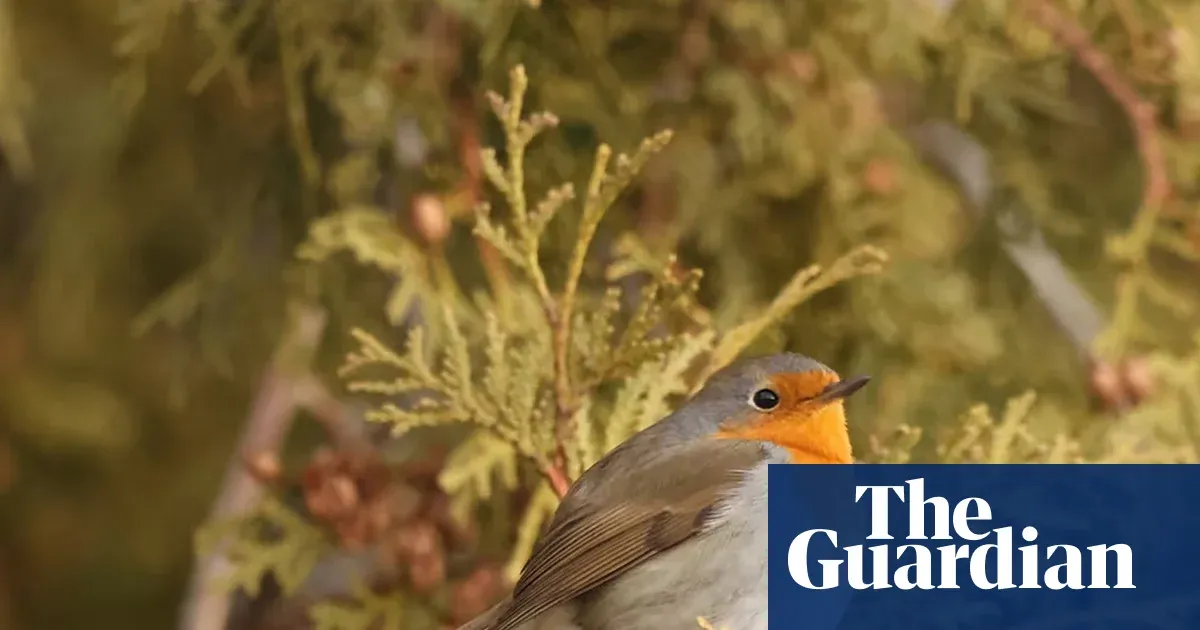
On a February morning in Montreal, birdwatchers bundled against the cold gathered on a quiet street to see something that had never been documented in Canada before: a European robin, thousands of kilometers from home.
The bird's normal range spans western Europe, from Scotland to Turkey. How it ended up in Quebec remains a mystery. The leading theories are straightforward but dramatic — either it hitched a ride on a container ship to the Port of Montreal, or a storm caught it mid-flight and carried it across the Atlantic.
Ron Vandebeek from Ottawa made the trip to see it. Serge Benoît, a birdwatcher from Laval, called it "a very rare bird and it's the first time it's been reported in all of Canada." The robin itself seemed unbothered by the attention, as if it had already made peace with its accidental journey.
We're a new kind of news feed.
Regular news is designed to drain you. We're a non-profit built to restore you. Every story we publish is scored for impact, progress, and hope.
Start Your News DetoxAdapting to the Cold
Montreal was in the grip of one of its harshest winters in years, with temperatures dropping to -25°C. Experts said the robin could survive if it found enough food. Its usual diet is insects, but robins are omnivorous — and the birdwatching community was making sure this particular bird didn't go hungry.
What's interesting about this sighting isn't just that it happened, but that it's part of a broader pattern. Over the past decade, North America has seen a sharp uptick in rare bird arrivals, and the reverse is also true — American birds are turning up in Europe. A taiga flycatcher appeared in Vancouver. A Steller's sea eagle showed up in Newfoundland. Some of this increase reflects better technology and social networks among birdwatchers, but experts point to something deeper: climate change is altering storm patterns and migration routes in ways we're still learning to read.
Sheldon Harvey of Bird Protection Quebec put it simply: "When something really bizarre like this happens, you just go out, you enjoy it and you know that's all you can do."
For the birdwatchers of Montreal, the European robin was a rare gift — a moment to witness something genuinely unexpected, a bird so far from where it belonged that its presence felt almost like a small mystery the city got to keep.