Whales Defy Extinction as Rare Calves Surge Off Southern Coasts

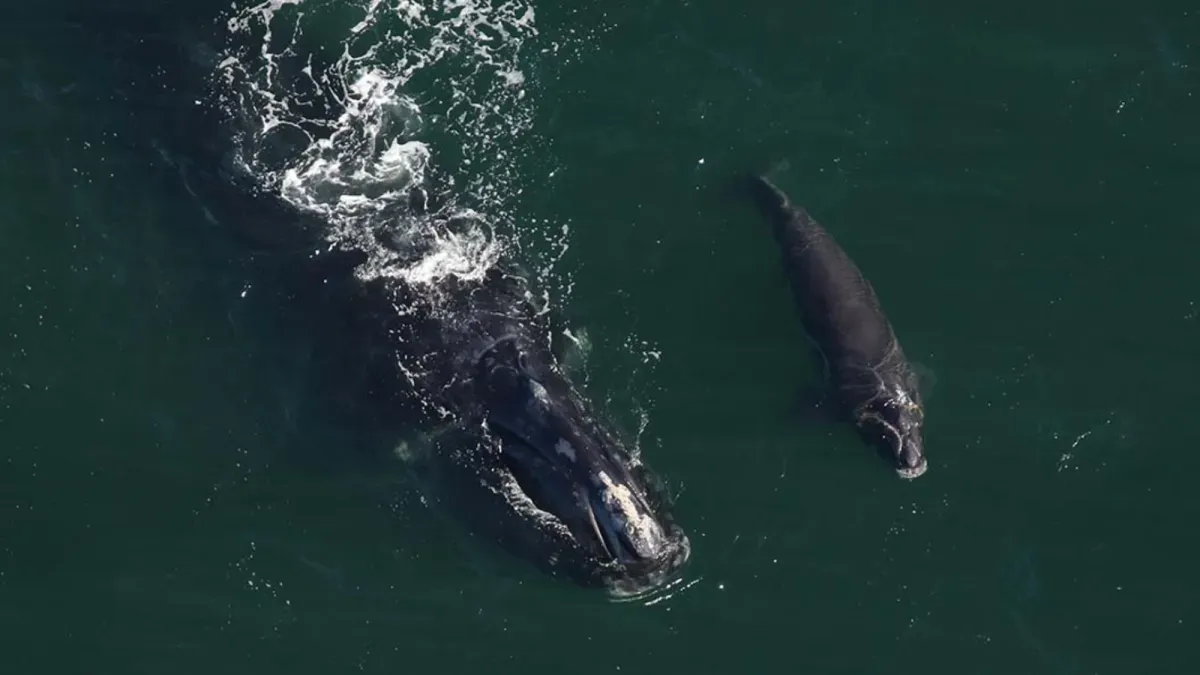
The New England Aquarium was busy counting North Atlantic right whale mom-calf pairs off the Southeast coast, including a 40-year-old mother with her ninth calf, while most of us indulged in holiday feasts.

1 min read
United States
13 views✓ Verified Source
Share

Why it matters: the surge in rare north atlantic right whale calves is a hopeful sign for the species' recovery, benefiting the entire marine ecosystem and future generations.

Over the past few weeks, the New England Aquarium has been busy counting North Atlantic right whale (Eubalaena glacialis) mom-calf pairs off the coasts of Florida, South Carolina, and Georgia. The aquarium's social media post highlighted six recent sightings, including Juno - an over 40-year-old mother with her ninth documented calf spotted on December 27.

By January 8, the count had jumped up to 18 calves, according to the Clearwater Marine Aquarium. This includes right whale Catalog #4610 and her first known calf spotted east of West Onslow Beach, North Carolina.

North Atlantic Right Whales can reach 140,000 pounds, grow as long as 52 feet, and live up to 70 years-old. They play a crucial role in the marine ecosystem, as their poop brings nutrients up to the ocean's surface and their dead bodies ultimately feed other creatures.

Wait—What is Brightcast?

We're a new kind of news feed.

Regular news is designed to drain you. We're a non-profit built to restore you. Every story we publish is scored for impact, progress, and hope.

Start Your News Detox

![Juno (Catalog #1612) and her 2026 calf, sighted on December 27, 2025, approximately 7.8nm east of Wassaw Island, Georgia. Image: Clearwater Marine Aquarium Research Institute, taken under NOAA permit #26919. Funded by the United States Army Corps of Engineers.](https://www.popsci.com/resizer/Tz2Ux-Nh-Ux-Ks-Ks-Ks-Ks-Ks-Ks-Ks-Ks-Ks-Ks-Ks-Ks-Ks-Ks-Ks-Ks-Ks-Ks-Ks-Ks-Ks-Ks-Ks-Ks-Ks-Ks-Ks-Ks-Ks-Ks-Ks-Ks-Ks-Ks-Ks-Ks-Ks-Ks-Ks-Ks-Ks-Ks-Ks-Ks-Ks-Ks-Ks-Ks-Ks-Ks-Ks-Ks-Ks-Ks-Ks-Ks-Ks-Ks-Ks-Ks-Ks-Ks-Ks-Ks-Ks-Ks-Ks-Ks-Ks-Ks-Ks-Ks-Ks-Ks-Ks-Ks-Ks-Ks-Ks-Ks-Ks-Ks-Ks-Ks-Ks-Ks-Ks-Ks-Ks-Ks-Ks-Ks-Ks-Ks-Ks-Ks-Ks-Ks-Ks-Ks-Ks-Ks-Ks-Ks-Ks-Ks-Ks-Ks-Ks-Ks-Ks-Ks-Ks-Ks-Ks-Ks-Ks-Ks-Ks-Ks-Ks-Ks-Ks-Ks-Ks-Ks-Ks-Ks-Ks-Ks-Ks-Ks-Ks-Ks-Ks-Ks-Ks-Ks-Ks-Ks-Ks-Ks-Ks-Ks-Ks-Ks-Ks-Ks-Ks-Ks-Ks-Ks-Ks-Ks-Ks-Ks-Ks-Ks-Ks-Ks-Ks-Ks-Ks-Ks-Ks-Ks-Ks-Ks-Ks-Ks-Ks-Ks-Ks-Ks-Ks-Ks-Ks-Ks-Ks-Ks-Ks-Ks-Ks-Ks-Ks-Ks-Ks-Ks-Ks-Ks-Ks-Ks-Ks-Ks-Ks-Ks-Ks-Ks-Ks-Ks-Ks-Ks-Ks-Ks-Ks-Ks-Ks-Ks-Ks-Ks-Ks-Ks-Ks-Ks-Ks-Ks-Ks-Ks-Ks-Ks-Ks-Ks-Ks-Ks-Ks-Ks-Ks-Ks-Ks-Ks-Ks-Ks-Ks-Ks-Ks-Ks-Ks-Ks-Ks-Ks-Ks-Ks-Ks-Ks-Ks-Ks-Ks-Ks-Ks-Ks-Ks-Ks-Ks-Ks-Ks-Ks-Ks-Ks-Ks-Ks-Ks-Ks-Ks-Ks-Ks-Ks-Ks-Ks-Ks-Ks-Ks-Ks-Ks-Ks-Ks-Ks-Ks-Ks-Ks-Ks-Ks-Ks-Ks-Ks-Ks-Ks-Ks-Ks-Ks-Ks-Ks-Ks-Ks-Ks-Ks-Ks-Ks-Ks-Ks-Ks-Ks-Ks-Ks-Ks-Ks-Ks-Ks-Ks-Ks-Ks-Ks-Ks-Ks-Ks-Ks-Ks-Ks-Ks-Ks-Ks-Ks-Ks-Ks-Ks-Ks-Ks-Ks-Ks-Ks-Ks-Ks-Ks-Ks-Ks-Ks-Ks-Ks-Ks-Ks-Ks-Ks-Ks-Ks-Ks-Ks-Ks-Ks-Ks-Ks-Ks-Ks-Ks-Ks-Ks-Ks-Ks-Ks-Ks-Ks-Ks-Ks-Ks-Ks-Ks-Ks-Ks-Ks-Ks-Ks-Ks-Ks-Ks-Ks-Ks-Ks-Ks-Ks-Ks-Ks-Ks-Ks-Ks-Ks-Ks-Ks-Ks-Ks-Ks-Ks-Ks-Ks-Ks-Ks-Ks-Ks-Ks-Ks-Ks-Ks-Ks-Ks-Ks-Ks-Ks-Ks-Ks-Ks-Ks-Ks-Ks-Ks-Ks-Ks-Ks-Ks-Ks-Ks-Ks-Ks-Ks-Ks-Ks-Ks-Ks-Ks-Ks-Ks-Ks-Ks-Ks-Ks-Ks-Ks-Ks-Ks-Ks-Ks-Ks-Ks-Ks-Ks-Ks-Ks-Ks-Ks-Ks-Ks-Ks-Ks-Ks-Ks-Ks-Ks-Ks-Ks-Ks-Ks-Ks-Ks-Ks-Ks-Ks-Ks-Ks-Ks-Ks-Ks-Ks-Ks-Ks-Ks-Ks-Ks-Ks-Ks-Ks-Ks-Ks-Ks-Ks-Ks-Ks-Ks-Ks-Ks-Ks-Ks-Ks-Ks-Ks-Ks-Ks-Ks-Ks-Ks-Ks-Ks-Ks-Ks-Ks-Ks-Ks-Ks-Ks-Ks-Ks-Ks-Ks-Ks-Ks-Ks-Ks-Ks-Ks-Ks-Ks-Ks-Ks-Ks-Ks-Ks-Ks-Ks-Ks-Ks-Ks-Ks-Ks-Ks-Ks-Ks-Ks-Ks-Ks-Ks-Ks-Ks-Ks-Ks-Ks-Ks-Ks-Ks-Ks-Ks-Ks-Ks-Ks-Ks-Ks-Ks-Ks-Ks-Ks-Ks-Ks-Ks-Ks-Ks-Ks-Ks-Ks-Ks-Ks-Ks-Ks-Ks-Ks-Ks-Ks-Ks-Ks-Ks-Ks-Ks-Ks-Ks-Ks-Ks-Ks-Ks-Ks-Ks-Ks-Ks-Ks-Ks-Ks-Ks-Ks-Ks-Ks-Ks-Ks-Ks-Ks-Ks-Ks-Ks-Ks-Ks-Ks-Ks-Ks-Ks-Ks-Ks-Ks-Ks-Ks-Ks-Ks-Ks-Ks-Ks-Ks-Ks-Ks-Ks-Ks-Ks-Ks-Ks-Ks-Ks-Ks-Ks-Ks-Ks-Ks-Ks-Ks-Ks-Ks-Ks-Ks-Ks-Ks-Ks-Ks-Ks-Ks-Ks-Ks-Ks-Ks-Ks-Ks-Ks-Ks-Ks-Ks-Ks-Ks-Ks-Ks-Ks-Ks-Ks-Ks-Ks-Ks-Ks-Ks-Ks-Ks-Ks-Ks-Ks-Ks-Ks-Ks-Ks-Ks-Ks-Ks-Ks-Ks-Ks-Ks-Ks-Ks-Ks-Ks-Ks-Ks-Ks-Ks-Ks-Ks-Ks-Ks-Ks-Ks-Ks-Ks-Ks-Ks-Ks-Ks-Ks-Ks-Ks-Ks-Ks-Ks-Ks-Ks-Ks-Ks-Ks-Ks-Ks-Ks-Ks-Ks-Ks-Ks-Ks-Ks-Ks-Ks-Ks-Ks-Ks-Ks-Ks-Ks-Ks-Ks-Ks-Ks-Ks-Ks-Ks-Ks-Ks-Ks-Ks-Ks-Ks-Ks-Ks-Ks-Ks-Ks-Ks-Ks-Ks-Ks-Ks-Ks-Ks-Ks-Ks-Ks-Ks-Ks-Ks-Ks-Ks-Ks-Ks-Ks-Ks-Ks-Ks-Ks-Ks-Ks-Ks-Ks-Ks-Ks-Ks-Ks-Ks-Ks-Ks-Ks-Ks-Ks-Ks-Ks-Ks-Ks-Ks-Ks-Ks-Ks-Ks-Ks-Ks-Ks-Ks-Ks-Ks-Ks-Ks-Ks-Ks-Ks-Ks-Ks-Ks-Ks-Ks-Ks-Ks-Ks-Ks-Ks-Ks-Ks-Ks-Ks-Ks-Ks-Ks-Ks-Ks-Ks-Ks-Ks-Ks-Ks-Ks-Ks-Ks-Ks-Ks-Ks-Ks-Ks-Ks-Ks-Ks-Ks-Ks-Ks-Ks-Ks-Ks-Ks-Ks-Ks-Ks-Ks-Ks-Ks-Ks-Ks-Ks-Ks-Ks-Ks-Ks-Ks-Ks-Ks-Ks-Ks-Ks-Ks-Ks-Ks-Ks-Ks-Ks-Ks-Ks-Ks-Ks-Ks-Ks-Ks-Ks-Ks-Ks-Ks-Ks-Ks-Ks-Ks-Ks-Ks-Ks-Ks-Ks-Ks-Ks-Ks-Ks-Ks-Ks-Ks-Ks-Ks-Ks-Ks-Ks-Ks-Ks-Ks-Ks-Ks-Ks-Ks-Ks-Ks-Ks-Ks-Ks-Ks-Ks-Ks-Ks-Ks-Ks-Ks-Ks-Ks-Ks-Ks-Ks-Ks-Ks-Ks-Ks-Ks-Ks-Ks-Ks-Ks-Ks-Ks-Ks-

75
SignificantMajor proven impact

Brightcast Impact Score

This article highlights the positive news of a surge in rare North Atlantic right whale calves, which is an incremental improvement in conservation efforts. The impact has regional reach and some evidence of measurable change, though the verification is limited to a few major media sources.


29

Hope

Strong

24

Reach

Strong

22

Verified

Strong

Wall of Hope

0/50

Be the first to share how this story made you feel

How does this make you feel?

1
2
3
4
5
6
7
8
9
10
11
12
13
14
15
16
17
18
19
20
21
22
23
24
25
26
27
28
29
30
31
32
33
34
35
36
37
38
39
40
41
42
43
44
45
46
47
48
49
50

Connected Progress

Drop in your group chat

Just read that 18 rare North Atlantic right whale calves have been spotted off the southern US coasts this season. www.brightcast.news

Share

Originally reported by Popular Science · Verified by Brightcast

Get weekly positive news in your inbox

No spam. Unsubscribe anytime. Join thousands who start their week with hope.

More stories that restore faith in humanity