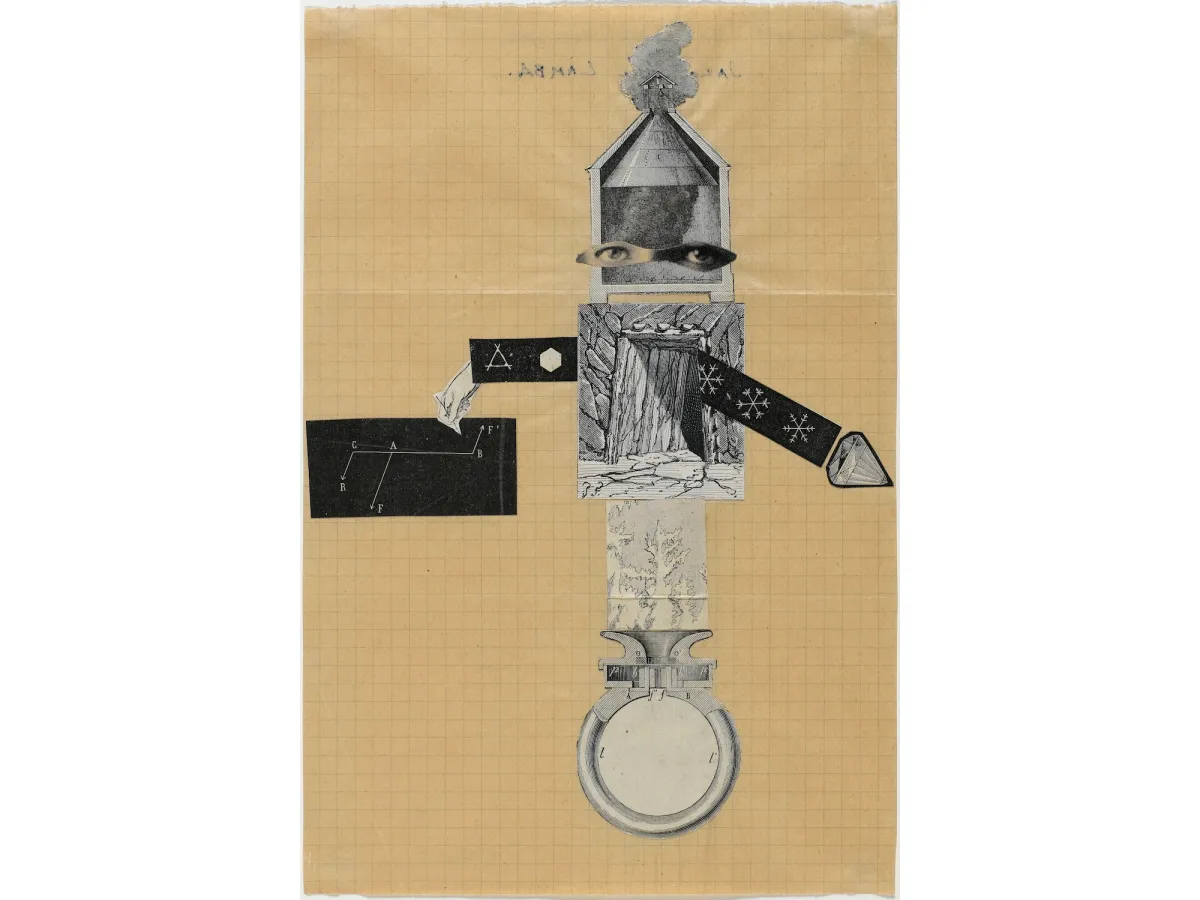
Ever feel like your brain needs a vacation from itself? The Surrealists, those early 20th-century art rebels, absolutely did. They were obsessed with tapping into the subconscious, with chance, and with the kind of delightful absurdity that makes you wonder if you've had too much coffee. So, they invented games. Lots of them. But one in particular, a collaborative drawing exercise called Exquisite Corpse, stuck around. And it's still making art today.
The Anatomy of Absurdity
The premise is simple: you take a piece of paper, fold it into sections, and then, one person at a time, you draw a part of a body. Maybe a head. Then you fold it so the next person can't see your masterful (or not-so-masterful) creation, leaving just a tiny line or two to guide them. They draw a torso. Fold. Next person draws legs. Fold. You get the picture. Or rather, you don't get the picture until the very end.
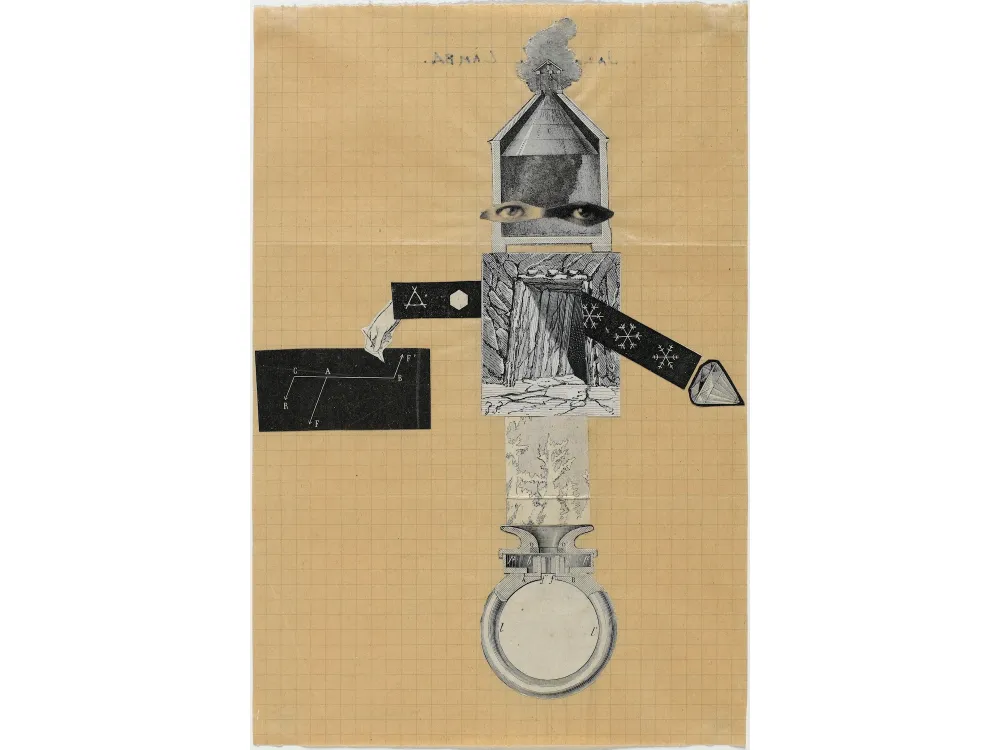
The big reveal? Usually a glorious, Frankenstein-esque mashup of wildly different artistic visions. Think a dapper gentleman's head on a mermaid's body, which then sprouts a pair of robot legs. The Surrealists loved this — the unexpected, the nonsensical, the pure, unadulterated weirdness of it all. It was their way of practicing "automatism," letting the hand move without the brain's logical editor getting in the way. It was also cheap entertainment, which is always a bonus.
We're a new kind of news feed.
Regular news is designed to drain you. We're a non-profit built to restore you. Every story we publish is scored for impact, progress, and hope.
Start Your News DetoxSimone Kahn, a key Surrealist and wife of movement leader André Breton, remembered the pure joy. They were both "receivers and contributors to the sudden appearance of creatures no one had foreseen." It's like a scientific experiment, but instead of a new element, you get a six-legged, winged beast with a monocle. Which, if you think about it, is both impressive and slightly terrifying.
From Words to Wonders
The game actually started with words. Participants would take turns writing sentences on folded paper, leading to wonderfully bizarre narratives. One such sentence birthed the game's name: "The exquisite corpse will drink the new wine." Catchy, right?
Then, one fateful day in 1925, at Marcel Duhamel's Parisian home, someone suggested drawings instead of words. Breton, who had already been advocating for "automatic drawings" to engage the unconscious, was thrilled. Kahn recalled his excitement, calling it "unfettering" and even more effective than automatic writing for creating "astonishing amalgams." The shock of seeing these unexpected creations, born from multiple minds, sparked a whole new kind of inspiration.
Still Playing Today
Fast forward a century, and Exquisite Corpse isn't just a historical footnote. It's still a vibrant, playful way for artists to collaborate, break creative blocks, and honestly, just have some fun. These collaborative pieces even serve as historical records, showing us which artists were hanging out and creating together, sometimes shining a light on overlooked figures like female Surrealists Remedios Varo and Valentine Hugo.
In the late 1960s, the Chicago-based Hairy Who collective played it, and some of their results are now in the Art Institute of Chicago. Artist Ted Joans took it to an extreme, creating Long Distance (1976–2005), a single drawing carried across the globe for three decades, gathering contributions from 132 artists including Betye Saar and Dorothea Tanning. That's a serious commitment to collective weirdness.
Even today, contemporary artists are getting in on the action. In 2010, the Armitage Foundation invited over 200 artists, including Kerry James Marshall, to create their own Exquisite Corpses. And right now, at the Venice Biennale, the artist residency Denniston Hill is showcasing its version with contributions from 150 alumni. Because apparently, the best way to bring diverse artists together is to make them draw a headless monster with too many limbs. Some things, it seems, never go out of style.