Marcel Duchamp: the name alone conjures images of a porcelain urinal signed "R. Mutt" and a general sense of, well, mischief. But a new retrospective at MoMA, the first since 1973, wants you to know there was a lot more going on behind that wry smile. And with 300 works covering his entire career, they're making a pretty solid case.
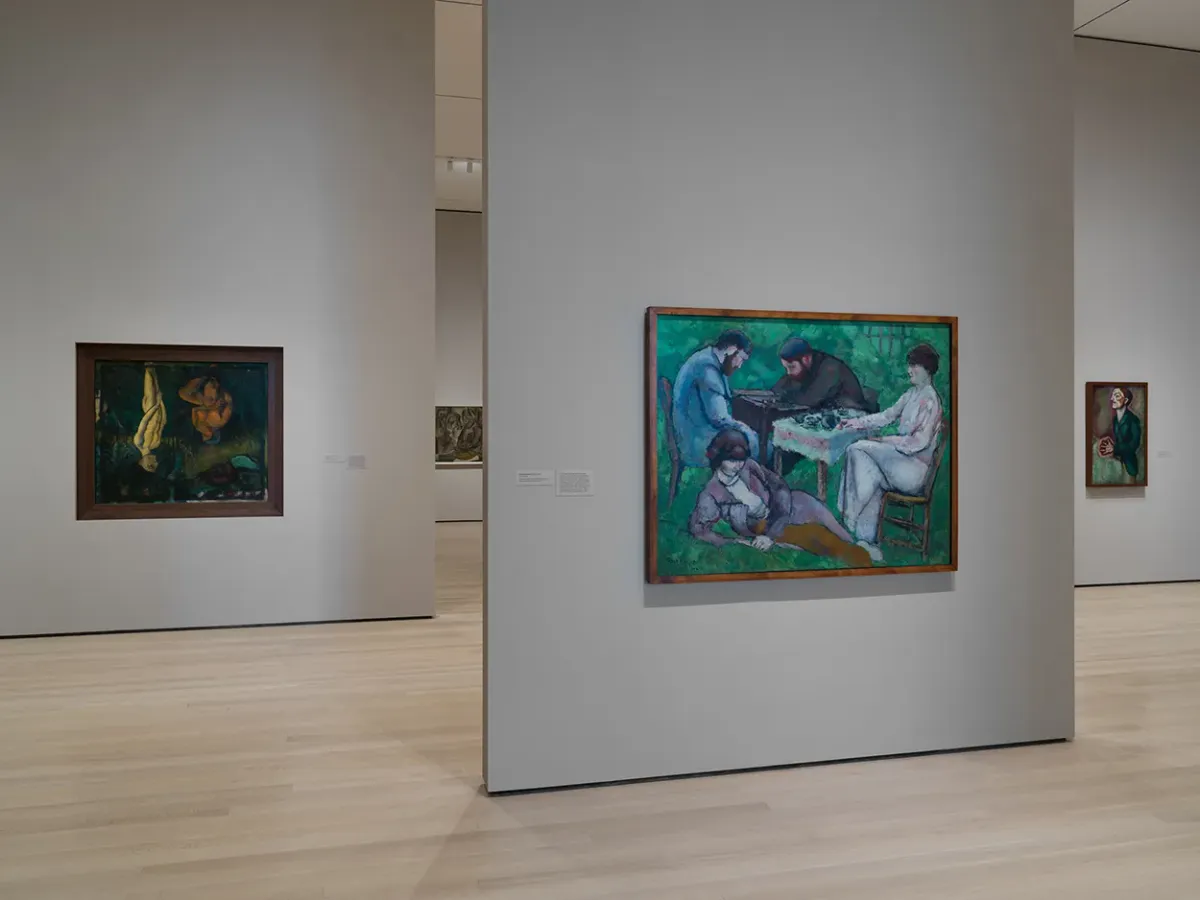
The show kicks off with Duchamp's early paintings, which are less "urinal as art" and more "serious painter grappling with his craft." Take Woman Hack Driver (1907), which simplifies its subject in a way that subtly nudges towards his later mechanical fascinations. Or Paradise (Adam and Eve) (1910–11), which apparently pre-empted a later Man Ray photograph where Duchamp himself recreated the scene. Because of course it did.
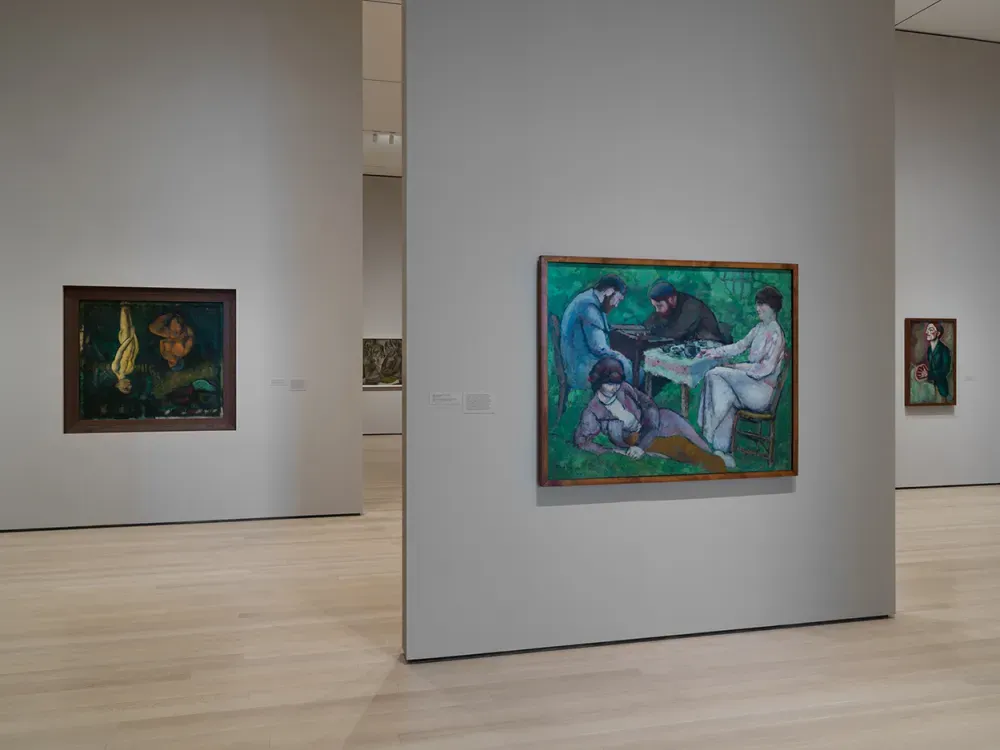
It's easy to forget that before he was turning everyday objects into philosophical statements, Duchamp was actually, you know, painting. The exhibition masterfully bridges these eras, showing how his seemingly disparate phases were all part of one grand, intellectual experiment.
We're a new kind of news feed.
Regular news is designed to drain you. We're a non-profit built to restore you. Every story we publish is scored for impact, progress, and hope.
Start Your News DetoxHis first readymade, Pharmacy (1914), wasn't even a full-blown conceptual leap. It was a commercial print of a snowy landscape to which he simply added two tiny dots of red and green gouache. Inspired by snow globes, this small, almost whimsical act transformed the print. It's like upgrading your phone by just changing the wallpaper. But for art.
From Canvas to Conceptual Chaos
You'll see the famous Nude Descending a Staircase (1911–12) — the one that scandalized America — alongside pieces like Bride (1912) and The Large Glass (1915–23). These works reveal a man obsessed with both meticulous handcraft and deeply intellectual ideas, all before the world descended into WWI. He wanted to "recreate ideas" on canvas, blurring the line between pure thought and tangible form.
His mechanical experiments reached their peak with The Bride Stripped Bare by Her Bachelors, Even, aka The Large Glass. The original is too delicate to travel, so the exhibition unpacks its complex development through diagrams and images. These pieces were soaked in philosophy and optics — which, if you think about it, is a pretty heady cocktail.
Then come the readymades. And the stories behind them. When The Large Glass collected dust in his studio, it became a new piece, Dust Breeding (1920), famously photographed by Man Ray. When it cracked after an exhibition, Duchamp simply... left it cracked. Because apparently that's where we are now.
He even used threads for 3 Standard Stoppages (1913–14), dropping a one-meter thread and tracing its random shape to create wooden measuring units. This embrace of pure chance was a big deal for the Dada movement, a kind of artistic shrug at convention.
And yes, Fountain (1917), the inverted urinal signed "R. Mutt," is there. It still sparks arguments over a century later about what art even is. Which, honestly, is probably exactly what Duchamp intended.
The exhibition's layout shifts from vertical to horizontal displays, mirroring Duchamp's own move away from traditional painting. You'll find everything from Man Ray's perfume labels (with Duchamp as the model, naturally) to photos of Duchamp as his alter ego, Rrose Sélavy. Readymades hang from the ceiling, and screens show his kinetic films, often blending mesmerizing visuals with erotic allusions and witty wordplay.
By the 1930s, Duchamp had largely traded "art" for chess, because why not? But even then, he was still creating. His Green Box (1934) held facsimiles of his notes for The Large Glass, foreshadowing his "portable museum," Box in a Valise (1941), a condensed, carry-on version of his life's work.
The curators note that seeing the full scope of Duchamp's work firsthand is tough, given his penchant for reproductions and verbal descriptions. But that was kind of the point. He democratized aesthetics, making "firsthand access" less critical. The exhibition is a success, leaving you with plenty of questions. And maybe a new appreciation for plumbing fixtures.