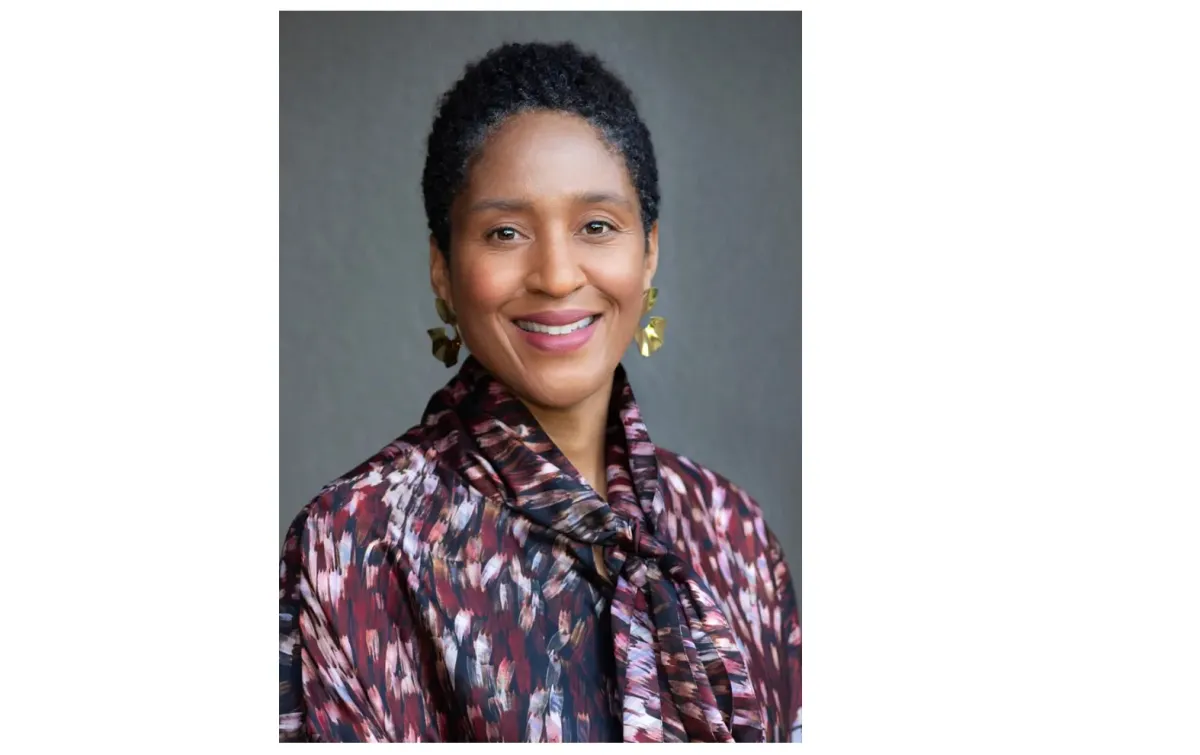
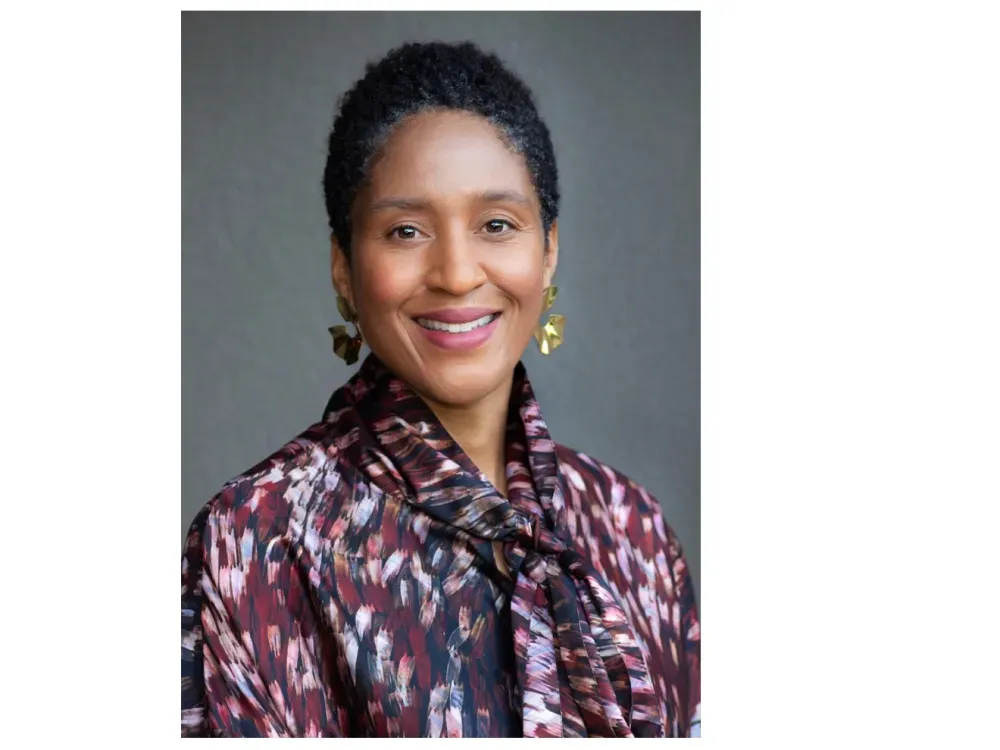
The Museum of Modern Art (MoMA) has finally filled a rather important, four-year-long vacancy: chief curator of photography. Taking the reins is Makeda Best, a woman who not only understands the medium but believes it's "always in crisis" and constantly "questioning itself." Which, if you think about it, is both impressive and slightly terrifying for anyone who just wants to hang a nice picture.
Best, who previously served as deputy director at the Oakland Museum of California, will step into the role in September. She's got plans to dust off some major stories from MoMA's collection, including the work of former curator Edward Steichen, who was busy acquiring photos from the Great Depression while most people were just trying to find a loaf of bread. With a background as a photographer herself and a doctorate in art history from Harvard, she's aiming to broaden the types of photography shown, because apparently, just hanging photos on a wall isn't enough for today's discerning audiences. Fair enough.
The Louvre Heist: Now With More Cell Phones
Remember that audacious heist from the Louvre last October, where eight French crown jewels (valued at a cool $102 million) just… disappeared? Well, a new clue has emerged, and it involves some rather inconveniently placed selfies. Belgian police, while arresting several Eastern European individuals on unrelated cargo-theft charges, found photos on their cellphones.
We're a new kind of news feed.
Regular news is designed to drain you. We're a non-profit built to restore you. Every story we publish is scored for impact, progress, and hope.
Start Your News DetoxAnd these weren't just any photos. These were pictures of the Louvre, specifically the Galerie d’Apollon, where the aforementioned jewels were displayed. Because apparently that's where we are now: art thieves taking reconnaissance photos on their phones. France and Belgium have now launched a joint investigation, trying to connect these cargo thieves to four other suspects already charged in the heist. Hopes for the jewels' undamaged return are, understandably, fading. Maybe they'll turn up on eBay?
And in Other News, Rome's High Schoolers Are Better Archaeologists Than You
Elsewhere, in a delightful twist of fate, some high school students in Rome literally found a 2nd-century BCE Roman villa in their school basement. Behind a locked iron door, no less. Complete with floral frescoes and mosaics. Because, of course, that's where you'd hide ancient wonders.
Meanwhile, Colorado has passed a law allowing artists to create an "Artist Company" – a limited liability company to help them actually earn money and keep their intellectual property. A novel concept, we know. In Paris, a giant inflatable cave installation by French artist JR on the Pont Neuf bridge was promptly deflated by strong winds, delaying its public opening. The universe has a sense of humor.
Venice, California, Gets Its Own Unofficial Iraq Pavilion
And finally, while the art world was busy at the official Venice Biennale in Italy, artists Ali Eyal and curator David Horvitz decided to create their own unofficial "Iraqi Pavilion" in Venice, California. Because why not?
Their one-day installation, "Welcome to Iraq," took place at a Chevron gas station. They played black market petrol salesmen next to an old TV painted with "We have oil here" in Arabic, and four plastic jugs showing diminishing amounts of gas. Iraq hasn't had an official pavilion at the Biennale since 2019, leading Horvitz to ask, "If Venice doesn’t officially recognize a pavilion, can we fill that gap?" Eyal sold small oil pastel drawings of candles, representing his family's light during power outages in Baghdad. "Oil changed my life as an Iraqi forever," he said. "This is my own Iraq." A gas station has never felt more profound.