Australia's native mammals have spent centuries dodging an introduced predator they never evolved to handle. Since European colonization, feral cats have contributed to the extinction of 40 native mammal species. But a new study from French Island, Victoria suggests something hopeful: when the cats are removed, the survivors don't just persist—they actively reclaim their world.
The research hinges on a simple observation about fear. In nature, prey animals constantly calculate risk. They need to eat, but eating means exposure. Ecologists call this mental map the "landscape of fear"—the invisible geography where certain places feel safer than others. When predation risk feels high, animals forage less, avoid their preferred feeding areas, and reproduce less successfully. It's a real biological cost, not just anxiety.
How to measure what animals won't eat
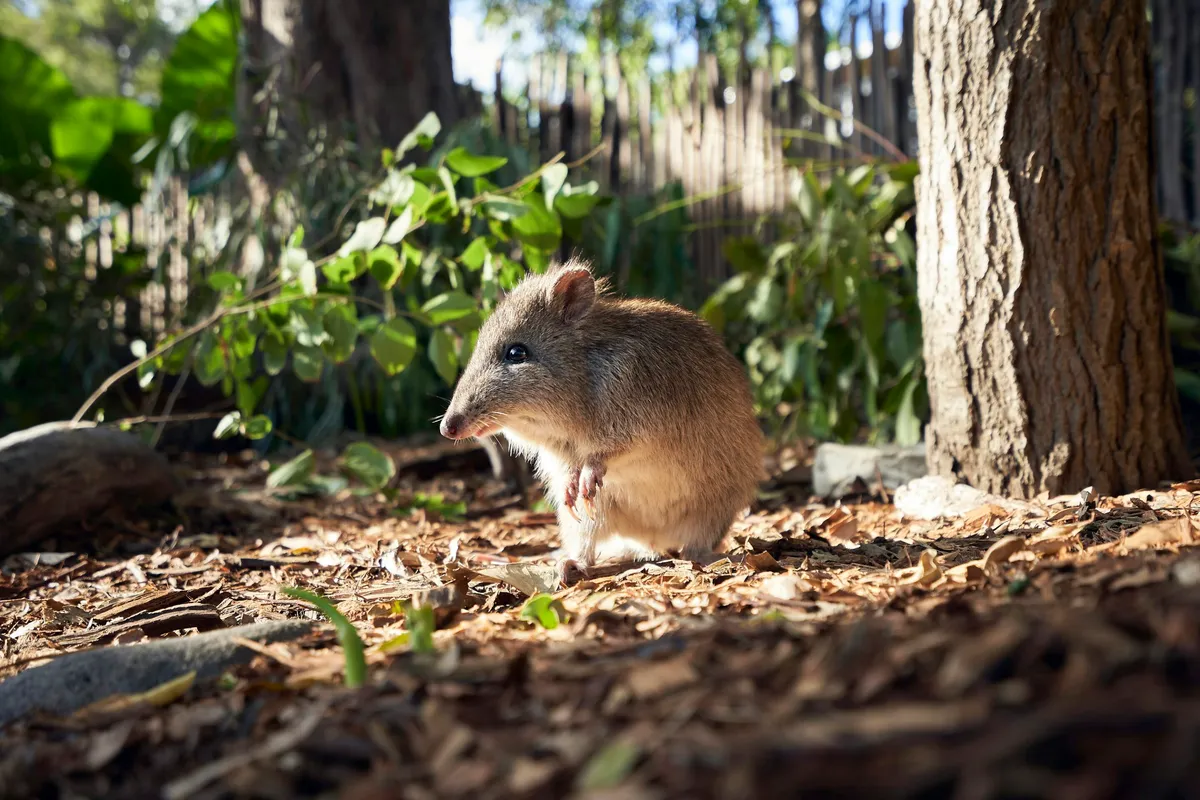
Euan Ritchie's team came up with an elegant way to measure this fear: by watching what animals leave behind. They placed balls made of peanut butter, oats, and golden syrup into trays across French Island—both in open grassland (risky, exposed) and in dense vegetation (safer, covered). Camera traps recorded how often long-nosed potoroos and eastern barred bandicoots visited the stations and how much food they abandoned.
We're a new kind of news feed.
Regular news is designed to drain you. We're a non-profit built to restore you. Every story we publish is scored for impact, progress, and hope.
Start Your News DetoxThe logic was straightforward. More abandoned food meant higher perceived risk. Less abandoned food meant the animals felt bolder.
French Island had been free of foxes for years but was thick with feral cats—until 2010, when authorities began an eradication program. This created a natural experiment. As the cat population declined, the researchers watched how the native mammals responded.
The moment fear lifted
The results were clear. As feral cat numbers dropped, both potoroos and bandicoots began moving through open and sheltered habitats more frequently. They increased their overall foraging activity. They left less food behind. The shift happened relatively quickly, suggesting these native species recognize predation pressure easing and adjust their behavior within months, not years.
This matters beyond simple survival. With less fear constraining them, animals gain access to more feeding opportunities and more habitat. They grow better. They reproduce more. Populations start to recover.
What this means for the bigger picture
The findings offer a realistic path forward for Australia's native mammals, though the challenge remains substantial. Outside protected islands and fenced sanctuaries, feral cats are notoriously hard to eradicate at scale. Populations rebound quickly. Complete eradication remains the goal, but this research suggests that even partial reductions in cat numbers deliver significant benefits to native wildlife.
For now, a combined approach—reducing feral cat populations while carefully managing habitats—can give native animals the space they need to recover. The study demonstrates that Australia's surviving mammals haven't lost their capacity to thrive. They've simply been waiting for the chance.