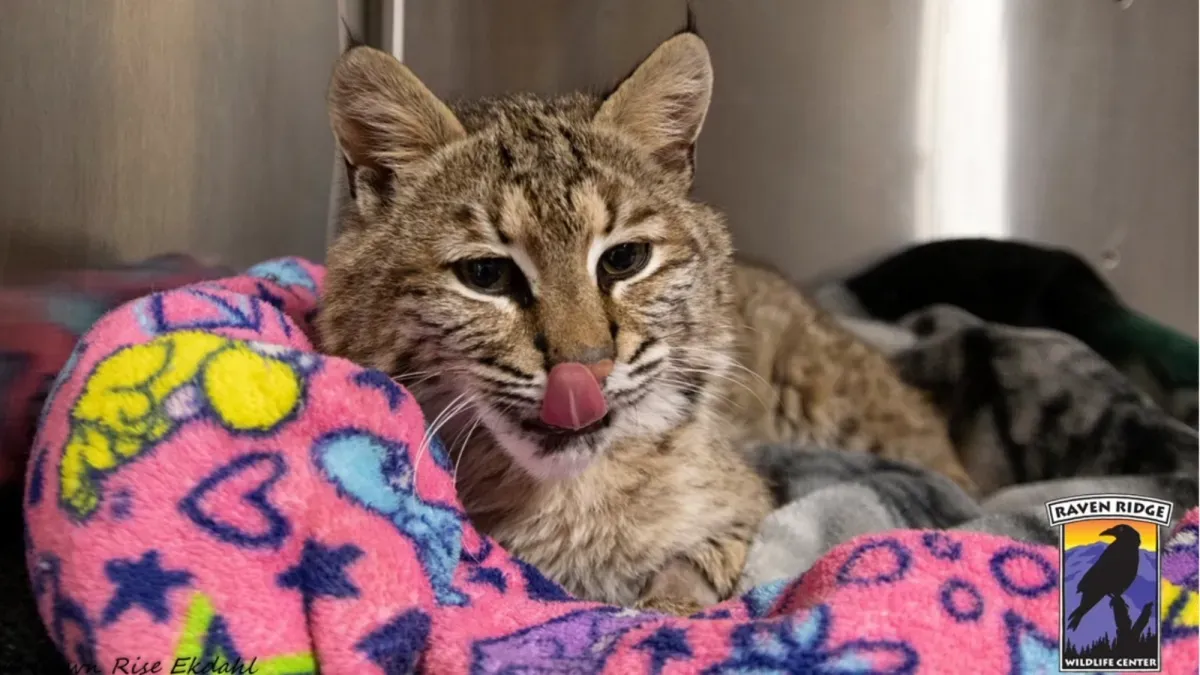
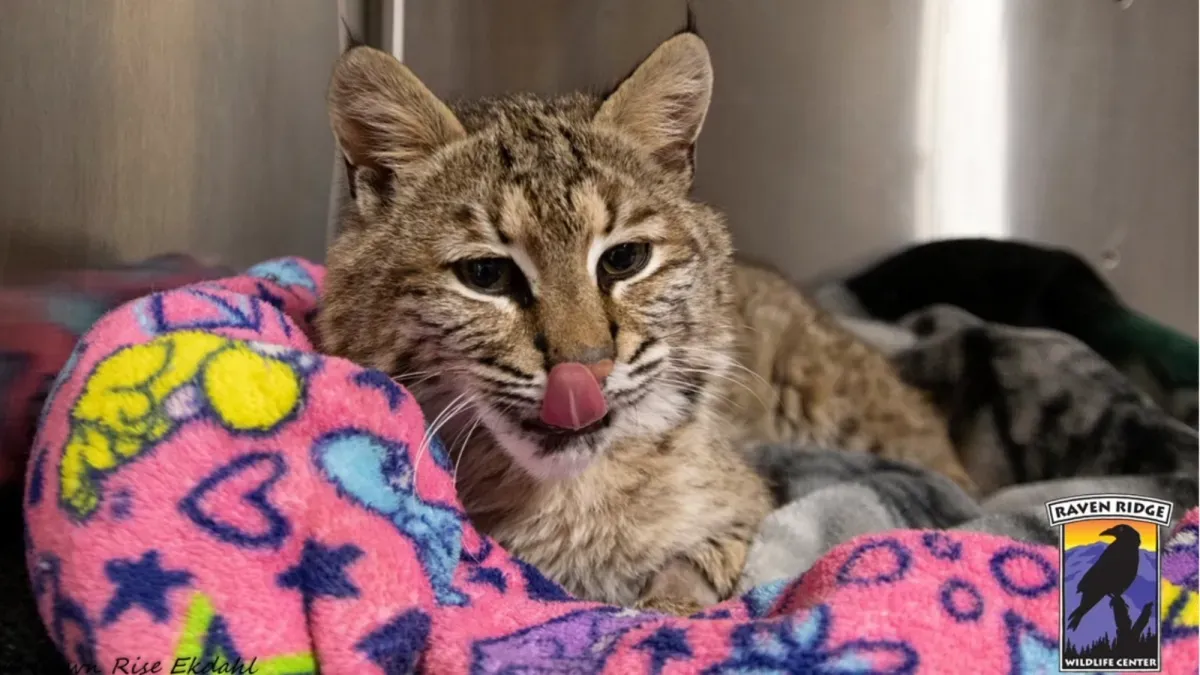
A young female bobcat arrived at Raven Ridge Wildlife Center in southeastern Pennsylvania in February with both her right front and back legs shattered, her head jammed in a car's grill. Tracie Young, the center's director, didn't expect her to survive the drive.
She did. But survival and recovery are different things entirely.
The bobcat's injuries were catastrophic enough that Young and her team had to make a choice most wildlife rehabilitators dread: attempt a surgery with no guarantee of success, knowing that failure meant euthanasia. The calculus was brutal. In wild animals, shattered bones rarely heal cleanly. Surgery on damaged joints almost always leads to arthritis, which would make the bobcat unsuitable for release back into the wild. Either way—failed surgery or successful surgery with joint damage—the outcome seemed predetermined.
But the bobcat had one critical advantage. Her bones had broken cleanly, and the fractures weren't in the joints themselves. Young called it "really shocking" that the impact hadn't caused more facial damage. "If she had lost an eye, we wouldn't be able to release her back into the wild, as she is a predator and cannot survive with only one eye." The team of six—Young, two orthopedic surgeons, the center's veterinarian, and others—unanimously voted to proceed.
We're a new kind of news feed.
Regular news is designed to drain you. We're a non-profit built to restore you. Every story we publish is scored for impact, progress, and hope.
Start Your News Detox
The Surgery and What Came After
The operation took over four hours, with two surgeons working simultaneously on each broken leg. The cost exceeded $9,000. The results have been remarkable.
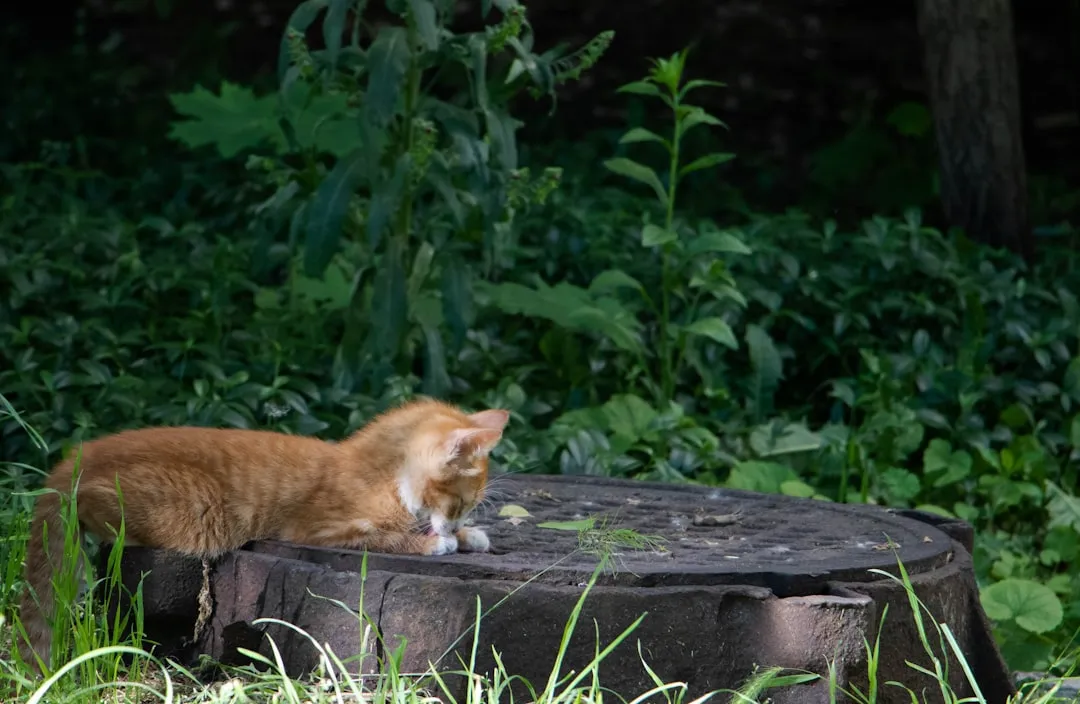
The bobcat is now back at Raven Ridge on three different pain medications, eating regularly, and hissing and growling—behaviors that signal she's acting like herself. The team's main challenge now is keeping a wild feline calm during recovery. She needs to avoid running or jumping for two months. That's not easy when your patient is a predator designed for explosive movement.
In five weeks, new X-rays will reveal whether the bones are healing as hoped. If they are, and if she regains full mobility without significant arthritis, she'll be released back into the wild—likely sometime this spring.
What's striking about this story isn't just the surgery itself, but the network that made it possible. Young received the emergency call on a Sunday. The nearest veterinary clinic wouldn't open until morning. She called a friend who knew an equestrian veterinarian with a mobile X-ray machine. Within hours, they had answers. That cascade of connections—the right person knowing the right person at the right moment—is often what determines whether an injured wild animal gets a second chance.
The woman who hit the bobcat and her husband have been following the recovery closely. They're relieved by the progress. Young uses the case as a reminder for drivers, particularly during January through April when bobcats are actively seeking mates and dens. "They can be a bit unpredictable," she notes. "So, take your time and be aware of your surroundings. Stay cautious." If you do hit wildlife, she adds, contact a rehabilitator or wildlife agency immediately. Early intervention—like that Sunday night X-ray—often makes the difference between recovery and loss.