People with dementia often live in memory care facilities. These places focus on safety and medical needs. However, they can feel very institutional and sterile.
A different approach to memory care started in the Netherlands. It's called the Hogeweyk Dementia Village. This model aims to improve the quality of life for older adults.
A New Kind of Community
The Hogeweyk model creates a normal neighborhood, not a nursing home. It's a small town with independent living spaces, supermarkets, restaurants, and theaters. People with severe dementia get support from trained professionals while living normal lives.
We're a new kind of news feed.
Regular news is designed to drain you. We're a non-profit built to restore you. Every story we publish is scored for impact, progress, and hope.
Start Your News DetoxThis model has changed memory care. It is now popular in Europe, Australia, China, and Canada. The first dementia village in the United States is now being built in Madison, Wisconsin.
This new village is called The Ellen & Peter Johnson Dementia Village at Agrace. It will help the nearly 11% of Wisconsinites over 65 who live with Alzheimer’s disease.
Agrace stated that traditional memory care often limits how people can live with purpose and choice. The Hogeweyk-inspired model focuses on living, not just care. It helps people with dementia feel the rhythms of real life.
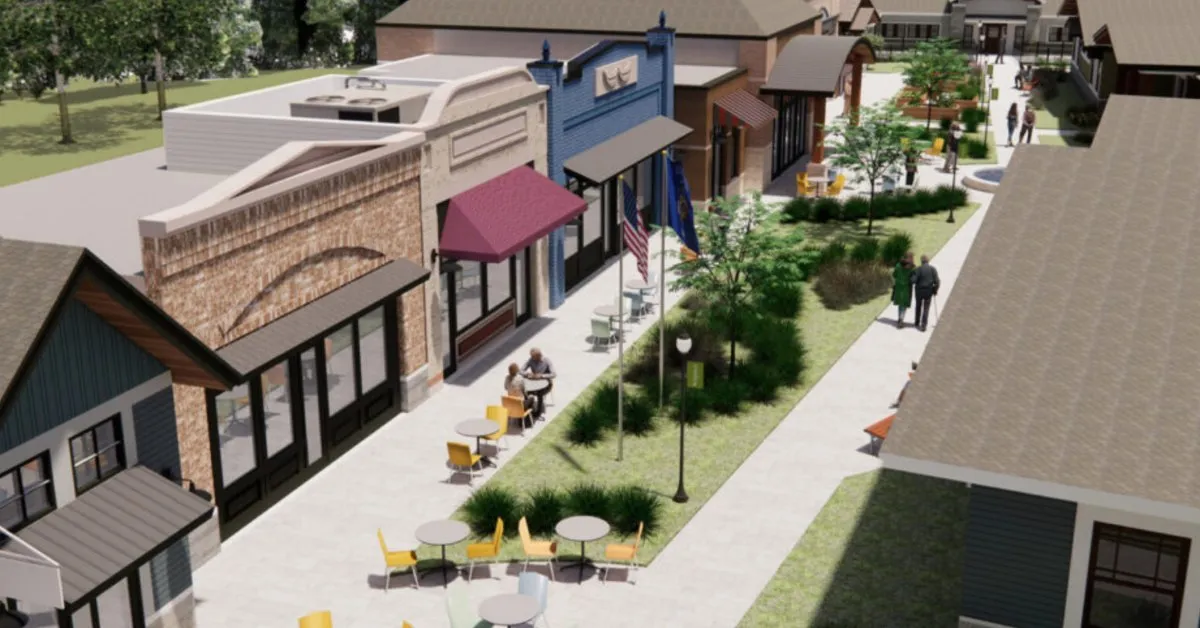
The Madison campus will look like a "Main Street USA." It will offer communal housing and amenities like a walkable town. There will be a theater, parks, and a cozy main street with shops.
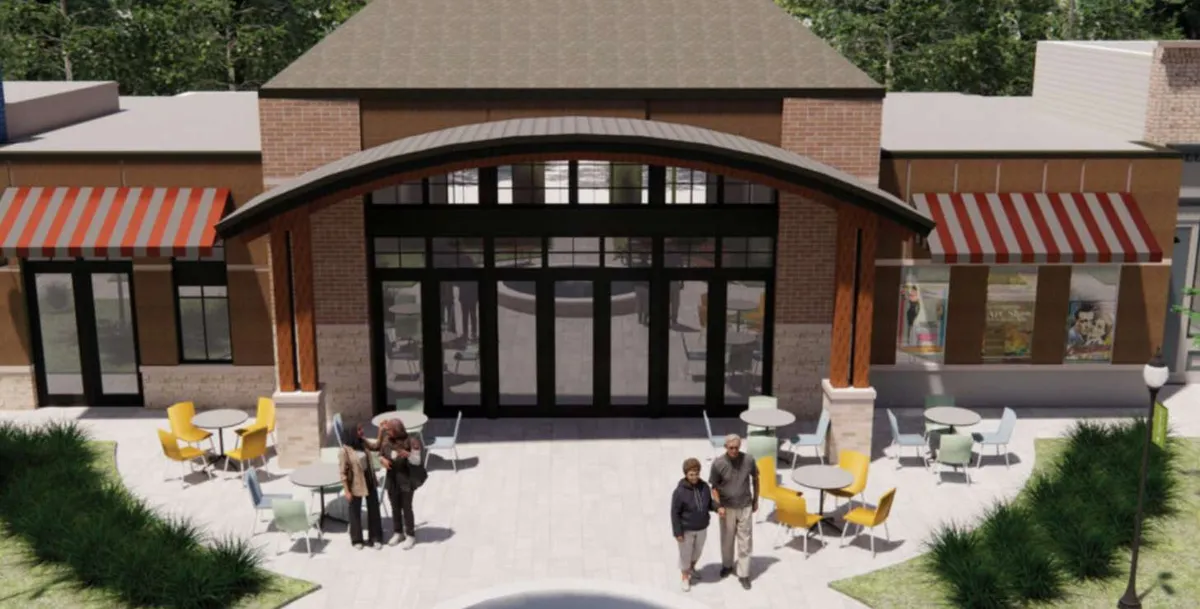
Lynne Sexten, Agrace president and CEO, said living at this campus will not feel like an institution. They are building individual households that look and feel like a home. Residents will have eight housemates, a kitchen, their own bedroom, and a living room.
Designing for Purpose and Connection
The village is designed to keep residents safe. It also gives them access to a strong social network. Each home will have a full-time caretaker. Roommates will be matched based on interests and lifestyle to help them build meaningful relationships.
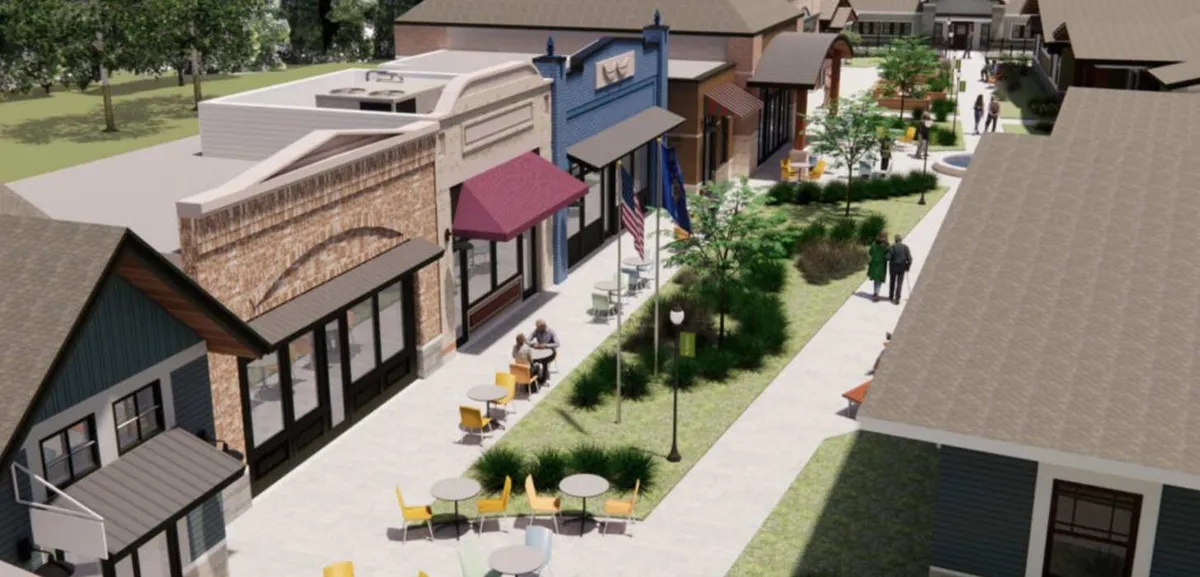
Sexten told Realtor.com that the homes will look like regular ranch houses. People will cook, clean, and live normal lives.
The campus will also host 40 to 50 "day club" members. These members will not live on-site but will spend the day at the village for dementia-friendly activities and support. Caregivers will also have housing on campus. A Grief Support Center will be available for families and caregivers.
The Agrace Dementia Village will be built on a 6-acre campus. It will cost $40 million. Much of the funding comes from a $30 million campaign called Revolutionizing Life with Dementia. Local philanthropists Ellen and Peter Johnson were major supporters.
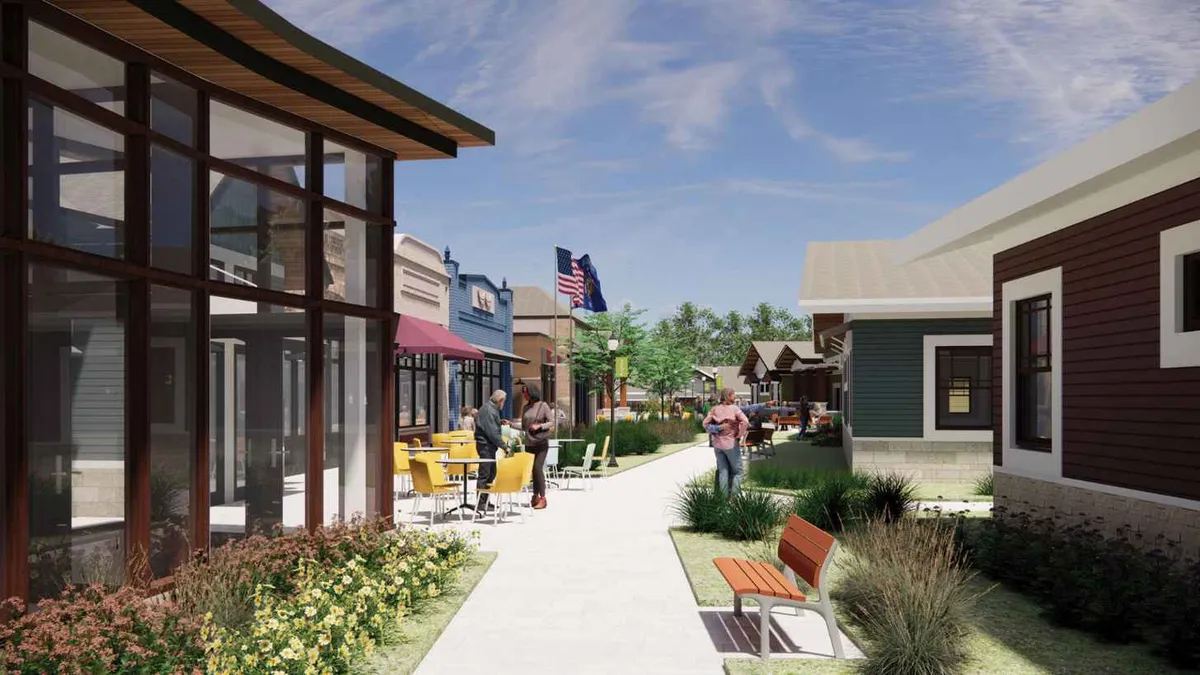
The Johnsons said the project shows Agrace is a leader in memory care. They are proud that Madison will have this extraordinary project.
The Agrace Dementia Village is set to open in the fall of 2027. Sexten expects a long waitlist, similar to other memory care facilities.

Sexten hopes this neighborhood model will spread across the country. She believes this approach is needed. People with dementia are regular people who need a slightly different environment to live in.