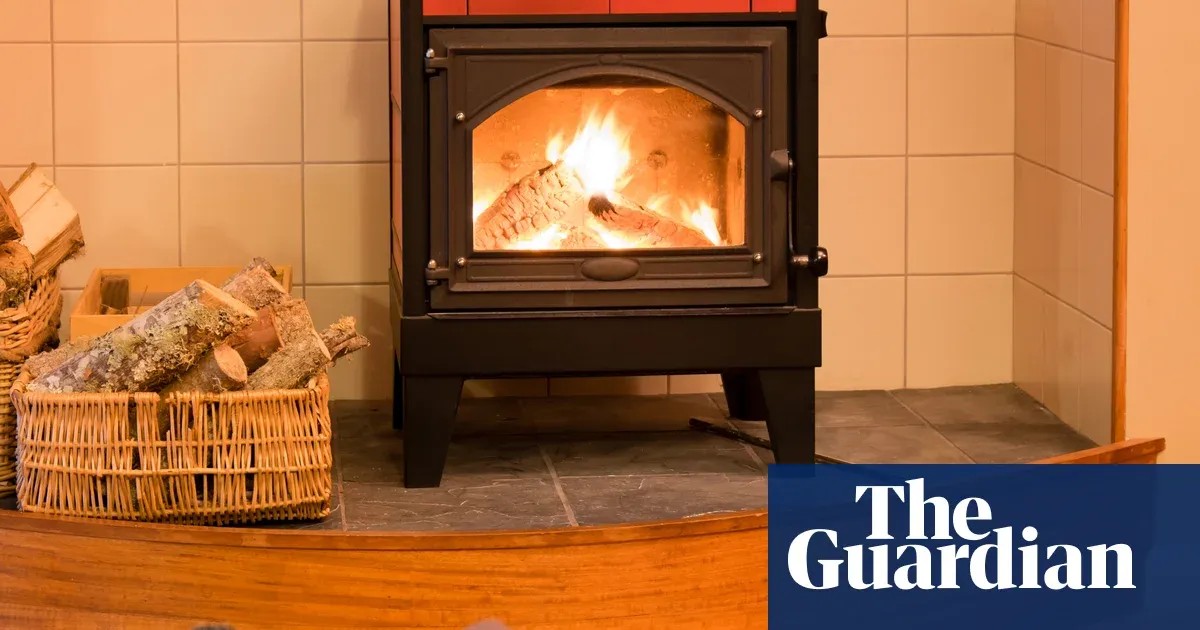
Children in homes with wood burners breathe air with three times more particle pollution than those without them, according to a study that tracked real air quality in Welsh primary schoolchildren's daily lives.
Fifty-three children from two Anglesey schools wore backpacks fitted with pollution sensors for several days, carrying them home and to school. The data revealed something researchers didn't expect: the home environment — not the school or the commute — was the biggest source of harmful particles in children's air.
"The home was the largest contributor to daily pollution exposure," said Dr. Hanbin Zhang from the University of Exeter. "That was mainly due to wood burning and indoor smoking."
We're a new kind of news feed.
Regular news is designed to drain you. We're a non-profit built to restore you. Every story we publish is scored for impact, progress, and hope.
Start Your News DetoxThe numbers were stark. In non-smoking homes with wood burners, average particle pollution measured 13 micrograms per cubic metre. In homes without wood burners, it dropped to 3.5 micrograms. Short spikes came from cooking and secondhand smoke, but wood fires created something worse: sustained, overnight exposure. Children's bedrooms held lingering pollution as fires smouldered with poor ventilation, sometimes through the night.
"During home hours, the average particle pollution in non-smoking homes with wood burners was about 13 micrograms per cubic metre compared with 3.5 micrograms per cubic metre in non-smoking homes without wood burners," said Prof. Zhiwen Luo from Cardiff University, who led the research.
The rural school showed higher pollution levels than the urban one — a direct reflection of wood burning being more common in countryside homes. The health stakes matter here. Previous research has linked wood burning to increased asthma risk in children and a 43% higher lung cancer risk for women using wood stoves at home.
What made this study different was how it involved the children themselves. Schools reported that when kids understood their own pollution data, conversations started. Parents spontaneously discussed the results and began investigating what was causing indoor pollution in their homes. That awareness shifted behaviour in some cases — the kind of change that happens when people see their own numbers, not just read warnings.
The UK government is currently consulting on health warnings for new stoves and solid fuels, which could mean clearer labelling about these indoor air risks.