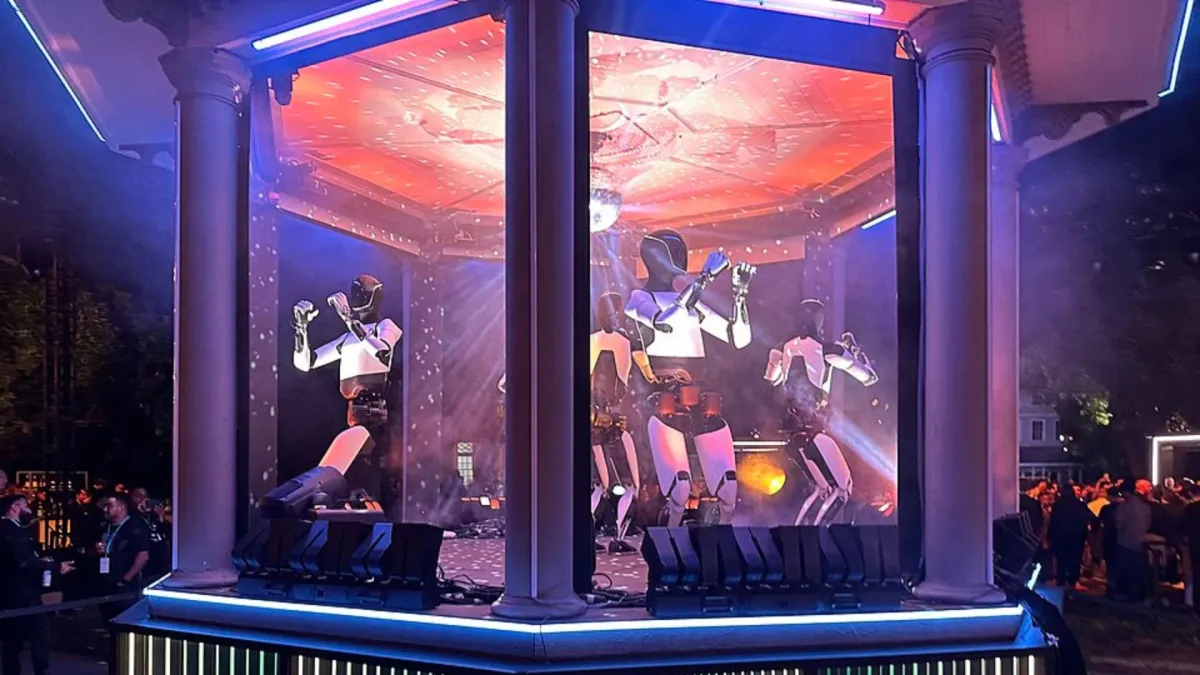
Seoul, South Korea, just unveiled the Galaxy Robot Park, a 16,500-square-meter facility boldly claiming the title of the world's first robot theme park. It's the brainchild of Galaxy Corporation, an entertainment tech company that also manages actual human stars like G-Dragon. Because apparently, if you're going to dive into the robot entertainment business, you might as well go big.
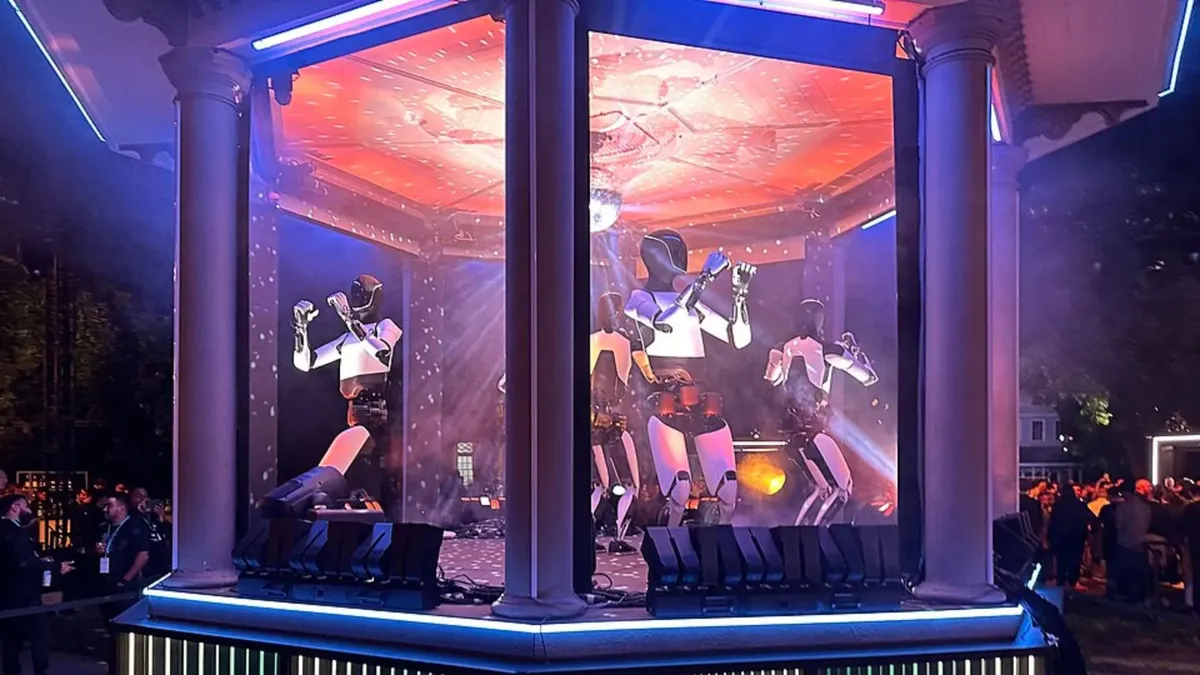
Here, humanoid robots don wigs and baggy clothes to perform K-pop dances, throw punches in a boxing ring, sketch your portrait, and even park your car. The company plans over 1,000 robot concerts a year, with ambitions to send these metallic performers on a global tour — even to war zones. Because nothing says 'peace and harmony' quite like a synchronized robot dance troupe.
The Future of Fandom: AI or Actual Idols?
The opening show featured child-sized humanoids grooving to G-Dragon's "Home Sweet Home" and Taemin's "Advice and Idea," showcasing some surprisingly fluid choreography. Though, in a very human-like turn of events, one robot did decide to take an unscheduled break during the performance and had to be escorted off stage. Even robots have off days, it seems.
We're a new kind of news feed.
Regular news is designed to drain you. We're a non-profit built to restore you. Every story we publish is scored for impact, progress, and hope.
Start Your News DetoxBeyond the stage, visitors can interact with robot valets, watch robotic dogs frolic, observe a humanoid monk deep in prayer, or even control their own robotic fighter in a boxing match. Galaxy Corporation is also teasing a robot fashion show and, naturally, a robot fashion label. Because if robots can dance, why can't they also be sartorial trendsetters?
K-pop, with its highly visual performances and existing penchant for virtual avatars and digital boybands (shout out to Plave, who are actually charting), seems like the perfect petri dish for this kind of tech experiment. But the real question, according to music critic Cha Woo-jin, isn't about the robots' dance moves or their ability to avoid hotel bills on tour. It's whether fans can actually form an emotional connection with a machine.
Economically, a robot tour is a no-brainer: no daily allowances, no demanding riders, just pure, unadulterated, energy-efficient performance. But emotionally? That's the billion-dollar question. The park's lasting success will hinge not on how well a robot can mimic a dance step, but on whether it can somehow, impossibly, capture a human heart. Which, if you think about it, is both impressive and slightly terrifying.