Nevada reuses 85% of its water. Arizona, 52%. Arizona, 52%. Yet most people in the American West have no idea they're already drinking water that started as someone's shower or toilet flush.
As droughts deepen and cities grow thirstier, recycled wastewater isn't coming—it's here. And it turns out people will pay for it once they understand what it actually is.
The technology already works
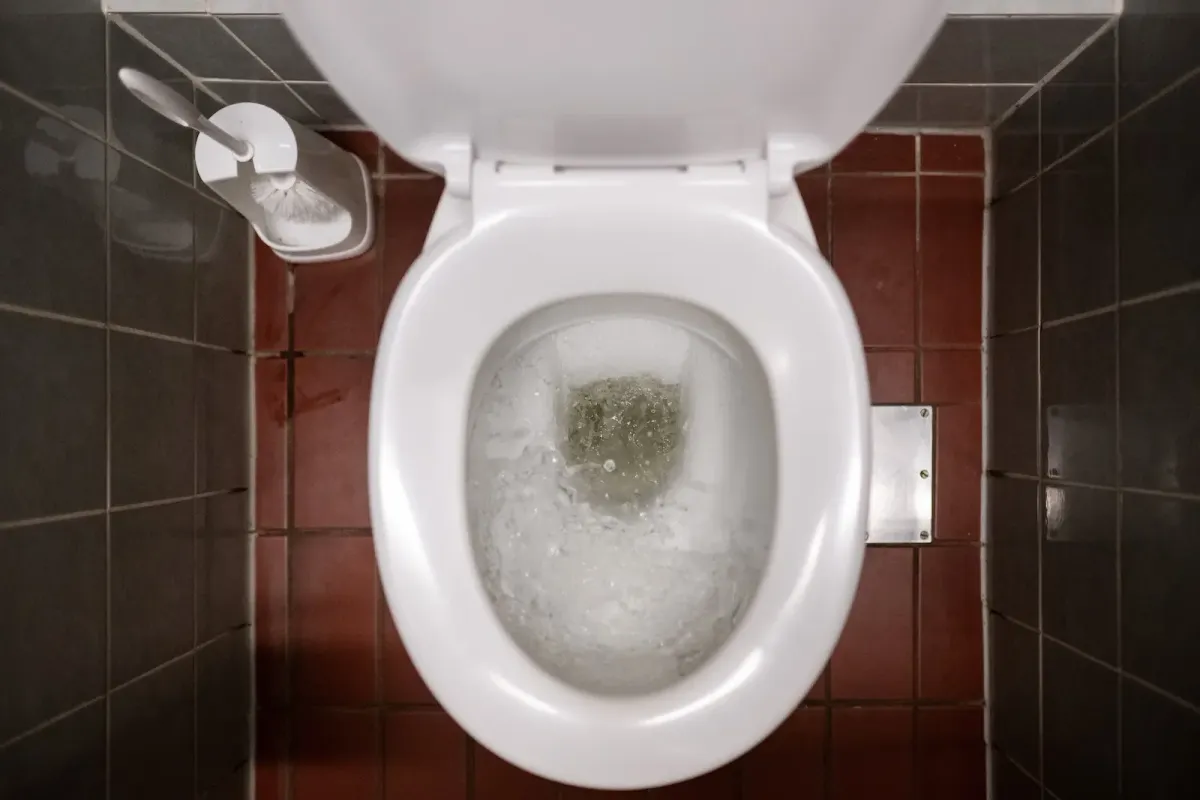
Wastewater recycling sounds like science fiction until you learn how simple it is. Water agencies run treated wastewater through fine membranes (reverse osmosis), stripping out solids. Then UV light destroys any remaining microbes. The result: water cleaner than many natural sources.
We're a new kind of news feed.
Regular news is designed to drain you. We're a non-profit built to restore you. Every story we publish is scored for impact, progress, and hope.
Start Your News DetoxA recent survey asked residents of small towns—fewer than 10,000 people—what they'd pay monthly to fund water reuse programs, including rainwater capture systems. The average answer: $49. That's not incidental. It's a signal that people will fund this if they trust it and understand why it matters.
"It's often just cheaper than some of the other available solutions," says Todd Guilfoos, an economist at the University of Rhode Island who co-authored the research. He's right. The alternative to recycled water in many Western communities isn't pristine mountain springs. It's pumping deeper into depleted aquifers, which causes land to sink and groundwater to become scarcer.
Why this matters now
The West's water crisis isn't abstract anymore. Rural areas are drilling deeper, draining aquifers faster than they refill. In some places, the land itself is subsiding—literally sinking—as the water underneath disappears. Recycling wastewater and capturing rain aren't luxuries. They're how communities survive the next 20 years.
The $49 monthly fee wouldn't fully fund a municipal recycling system on its own. But it covers operating costs. Cities can pursue grants and bonds for the infrastructure—the expensive part. What matters is that ordinary people in ordinary towns are willing to pay. That willingness shifts the conversation from "should we do this?" to "how do we scale it?"
Some farmers are already recharging aquifers during wet years, storing water underground, then pumping it back during dry seasons. Combine that with wastewater recycling and rainwater capture, and communities can build resilience they don't have now.
As some Western cities edge toward genuine water shortages, drinking recycled wastewater will shift from novel to normal. The technology is ready. The economics work. The only question left is how quickly communities move.