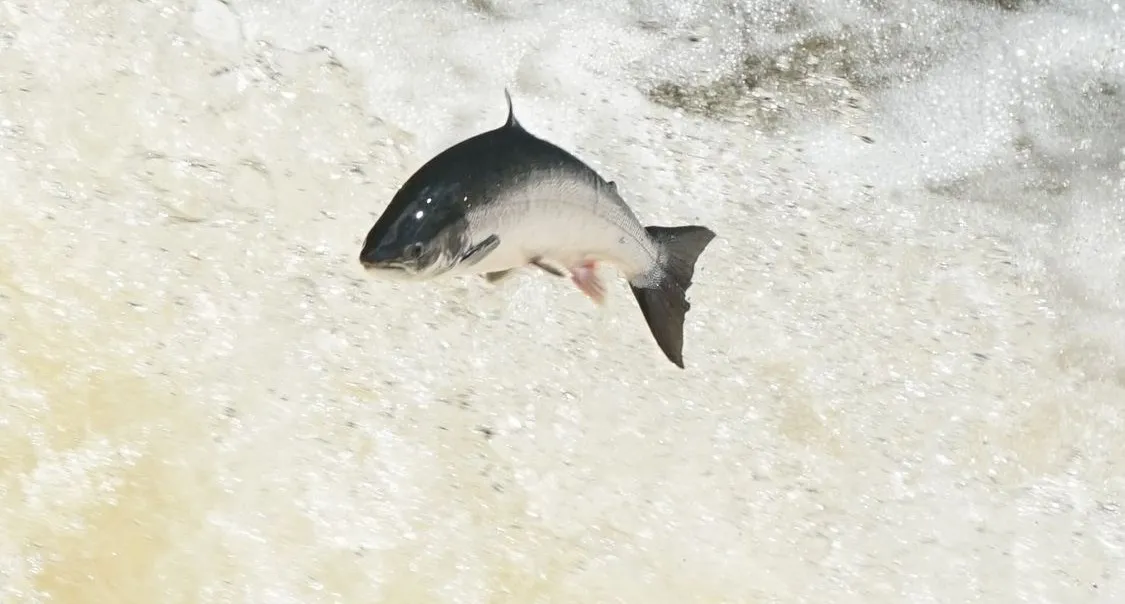
Young Atlantic salmon have spawned in three English rivers—the Mersey, Goyt, and Bollin—for the first time in over a decade. It's the kind of detail that might sound small until you understand what it actually means: a river system that was biologically dead in the 1980s is now alive again.
These aren't just fish returning. They're a signal. Atlantic salmon are what ecologists call indicator species—their presence tells you something fundamental about the water they're swimming in. If salmon can survive here, it means the river is clean enough, cool enough, and healthy enough to support them. And if it can support salmon, it can support much else besides.
A River Transformed
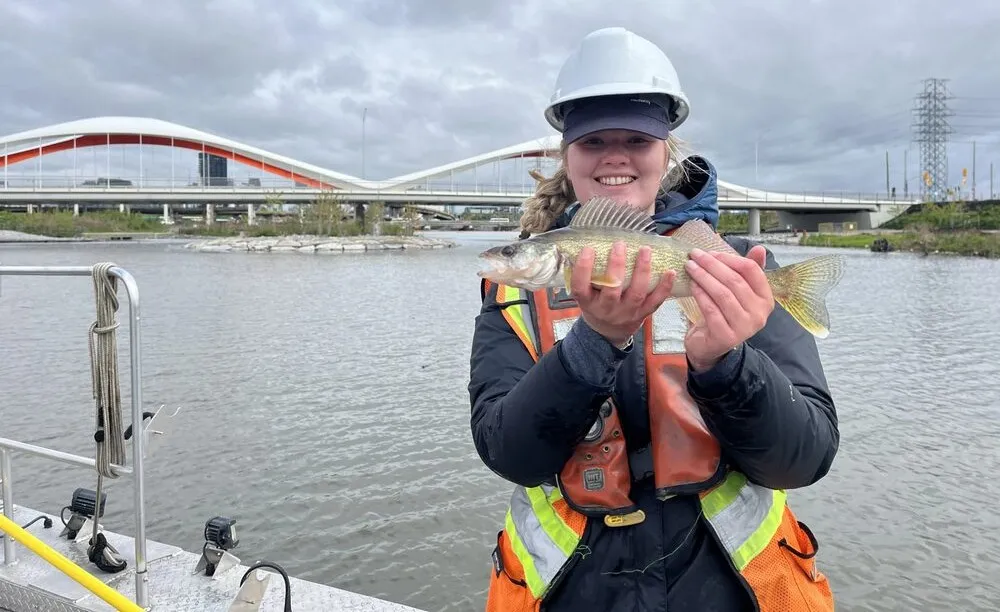
The Mersey runs through Liverpool and has one of the most dramatic environmental turnarounds of any major English river. In 2009, it was declared cleaner than at any point since the industrial revolution. By 2023, a single study found 37 species of fish living in its waters, along with sea scorpions, five species of sharks, and eels described simply as "huge." Beyond the fish, humpback whales, otters, seals, and porpoises have all returned to waters that, decades ago, were too polluted to support much life at all.
We're a new kind of news feed.
Regular news is designed to drain you. We're a non-profit built to restore you. Every story we publish is scored for impact, progress, and hope.
Start Your News DetoxMark Sewell, a wastewater catchment manager at United Utilities, described it plainly: "Significant stretches of river were biologically dead in the 1980s but today they support thriving ecosystems and are home to a number of pollution-intolerant fish species."
The salmon's return matters because these fish have a specific need. After 2–3 years feeding in the Arctic, they navigate back to the exact rivers where they hatched, seeking gravel beds to spawn in. For decades, that journey was impossible—locks, dams, and weirs blocked their path. The fact that young salmon are now appearing in the Bollin and Goyt (both tributaries of the Mersey) suggests those barriers are becoming less absolute, or that the river's recovery is creating new pathways.
Environmental authorities are planning a dedicated salmon study to understand exactly how and why they're returning. The answer will matter for other rivers across England that once hosted salmon but lost them to pollution and industrial development. If the Mersey can recover this far, the message is clear: rivers aren't permanently broken. They just need the chance to heal.
The salmon are that chance made visible.