Captain Dan Salas has spent his entire life on the water. He started working on the docks of San Pedro, California, at just 12 years old.
Over his career, Salas became a tugboat captain and then a marine life guide. In 1990, he founded Harbor Breeze Cruises.
Harbor Breeze Cruises now offers more whale watching tours than any other operator in the region. Guests often see large groups of dolphins or majestic blue whales. These trips create lasting memories.
We're a new kind of news feed.
Regular news is designed to drain you. We're a non-profit built to restore you. Every story we publish is scored for impact, progress, and hope.
Start Your News DetoxHowever, these trips also leave a significant carbon footprint. A study in the Journal of Sustainable Tourism found that a sightseeing trip on a diesel boat can emit as much carbon as one person driving 186 miles in a standard car.
A New Kind of Boat
For the past five years, Captain Salas has worked with the Port of Los Angeles, the Port of Long Beach, and the California Air Resources Board. Their goal was to fund a new type of vessel.
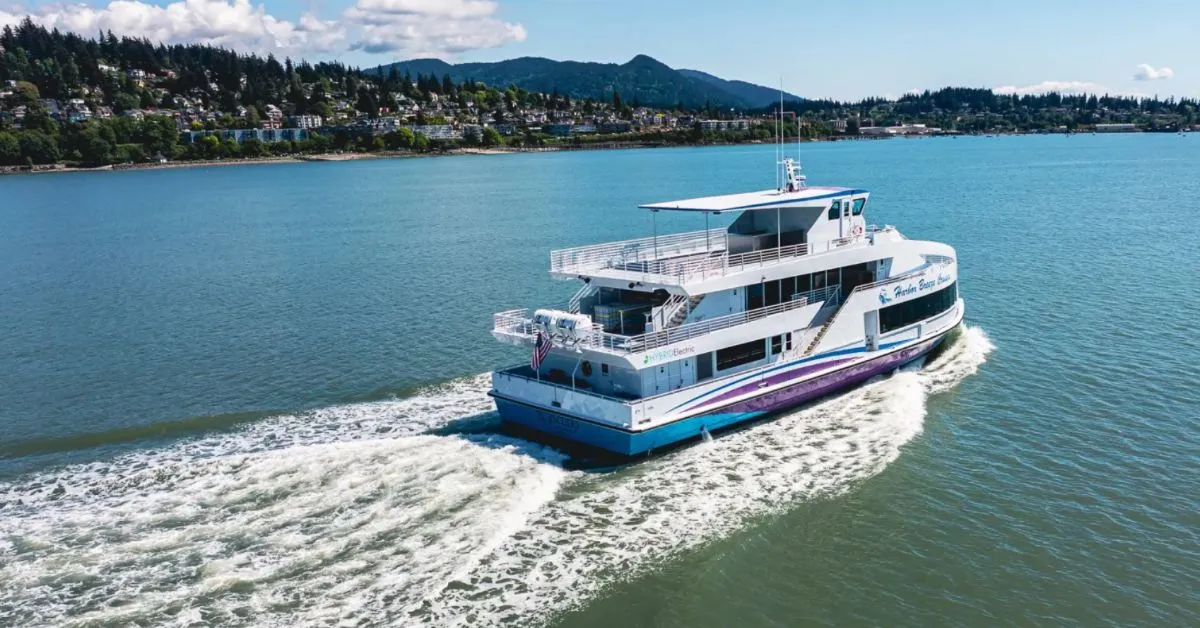
This new boat is called the El Escudo. Salas proudly calls it the world's first parallel hybrid. He noted that this technological advance is something he never thought he would see in his lifetime.
The El Escudo is setting a new standard for air quality and future marine travel.
Zero-Emission Whale Watching
According to Baird Maritime, the El Escudo is a zero-emission boat. It can carry 350 passengers and travel faster than diesel-powered boats.
The vessel has four ways to operate. It can use conventional diesel, fully electric power, charge its batteries while moving, or charge them at the dock.
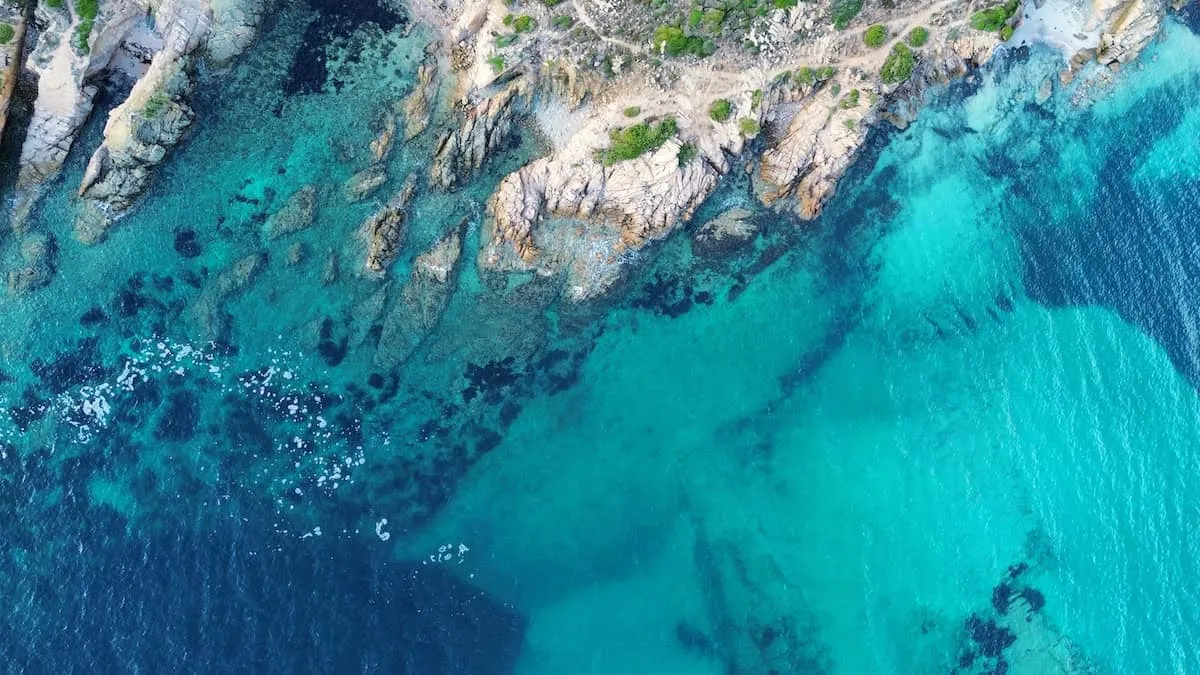
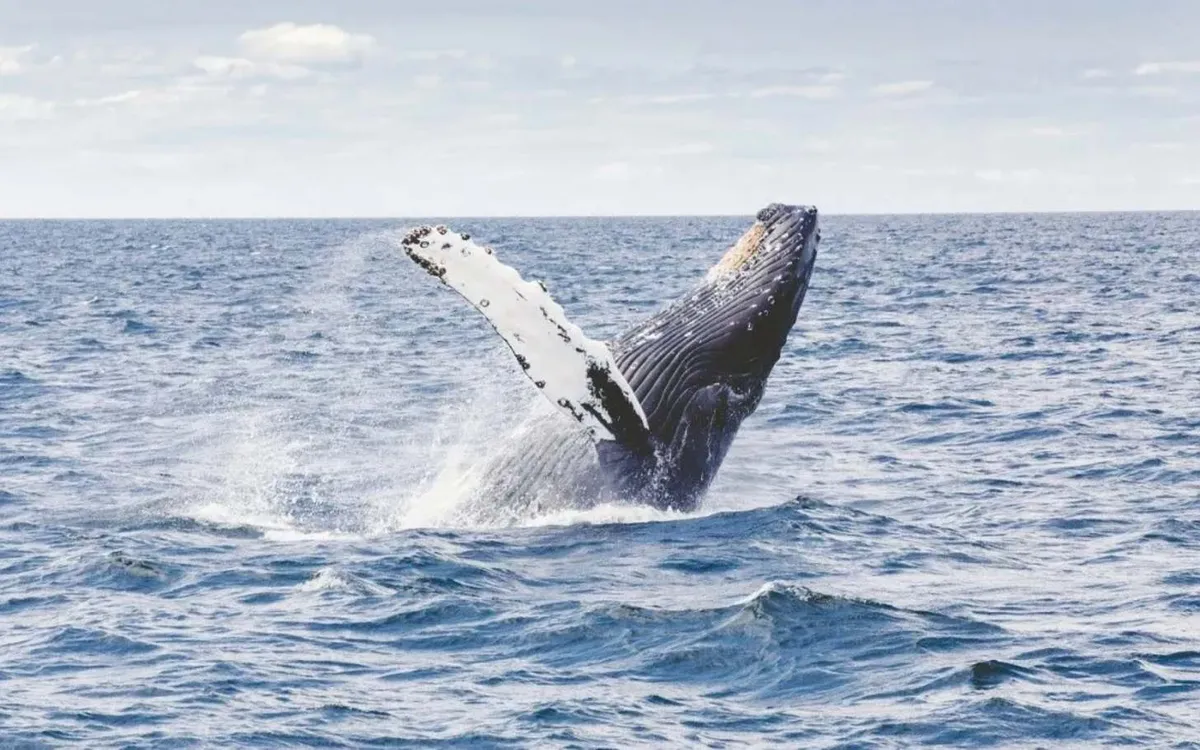 Image via Thomas Kelley/Unsplash
This propulsion system greatly reduces emissions. It also keeps the boat performing well and efficiently for longer routes.
For Captain Salas, the El Escudo allows him to grow his business while protecting the ocean he loves. He sees it as a gift back to the ocean, providing clean air and a clean future.
Deep Dive & References
Greenhouse Gas Emissions from Marine Tours: A Case Study of Australian Tour Boat Operators - Journal of Sustainable Tourism