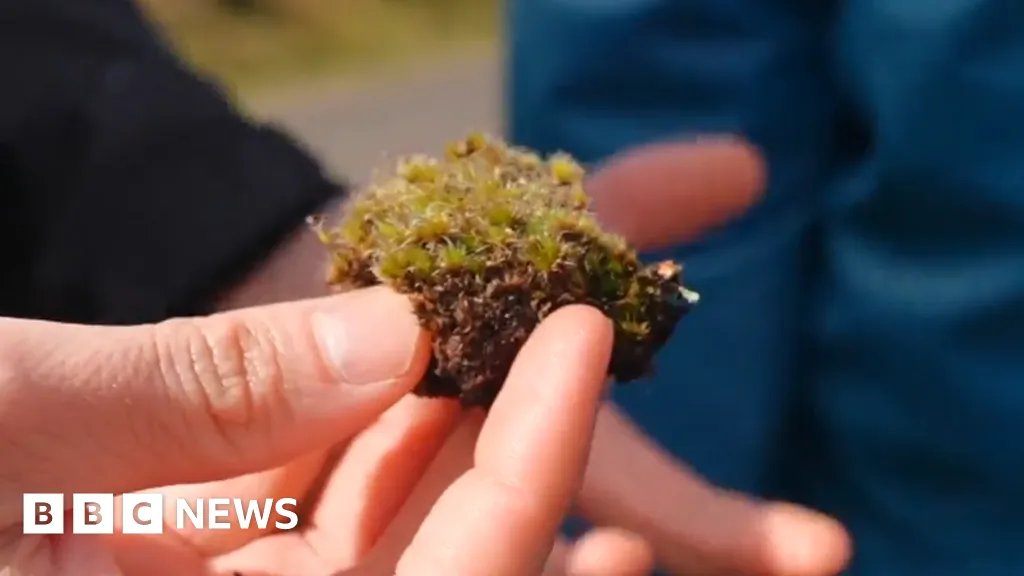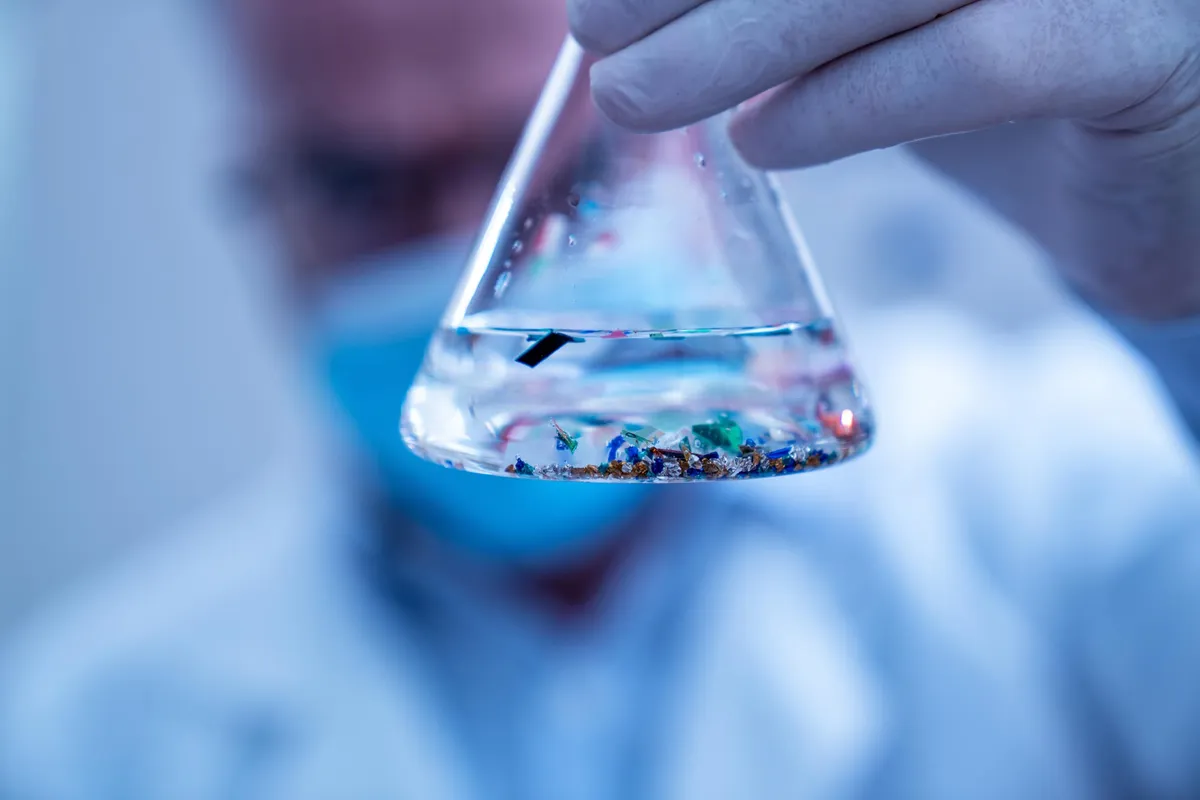
Scientists have created "living plastics" that can break down on command. This new approach could help solve the problem of plastic waste, as many plastic items are used once but stay in the environment for centuries.
How Living Plastics Work
Researchers are building plastics with microbes inside them. These microbes can be activated to break down the plastic when it's no longer needed.
In a recent study, a team used two types of bacteria working together. They fully degraded plastic in just six days without creating microplastics. This research was published in ACS Applied Polymer Materials.
We're a new kind of news feed.
Regular news is designed to drain you. We're a non-profit built to restore you. Every story we publish is scored for impact, progress, and hope.
Start Your News DetoxZhuojun Dai, a lead author, explained that traditional plastics last for centuries, even though many are used for a short time, like packaging. This led the team to wonder if they could build degradation directly into the material's design.
Some microbes produce enzymes that can cut long plastic chains into smaller pieces. By putting these enzymes, or the microbes that make them, into plastics, the materials could "come alive" and self-destruct. This turns durability into a feature that can be programmed.
Two Enzymes for Efficient Breakdown
Previous attempts often used only one enzyme. However, Dai, Jin Geng, Dianpeng Qi, and their colleagues wanted a more efficient process. They engineered Bacillus subtilis bacteria to produce two enzymes that work in sequence.
One enzyme cuts the long plastic chains into smaller, random pieces. The second enzyme then breaks these smaller pieces down from their ends into their basic building blocks, called monomers.
The researchers mixed dormant B. subtilis spores with polycaprolactone, a plastic used in 3D printing and some surgical sutures. The spores stayed protected until they were activated. The resulting living plastic had similar strength to regular polycaprolactone films.
When the team added a nutrient broth heated to 122 degrees Fahrenheit (50 degrees Celsius), the spores became active. They completely degraded the plastic into its basic building blocks within six days. Because the two enzymes worked together, the process did not create microplastic particles.
Future Applications
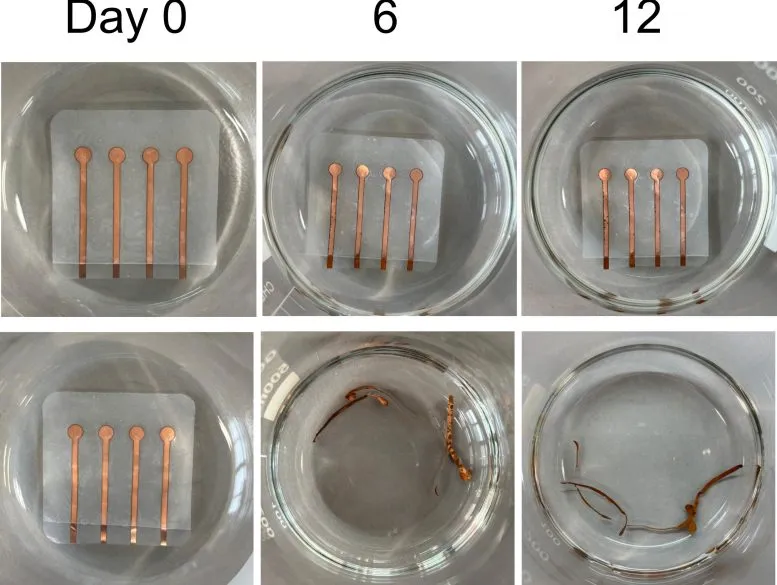
As a first test, the team created a wearable plastic electrode from the living plastic. The device worked as intended and then fully degraded within two weeks.
The next step is to find a way to activate the spores in water, where much plastic pollution ends up. While this study focused on one type of plastic, the same method could potentially be used for other plastics, especially those found in single-use products.
Deep Dive & References:
- Degradable Living Plastics Programmed by Engineered Microbial Consortia - ACS Applied Polymer Materials, 2026