This week, we're diving into a collection of solutions that range from surprisingly simple life hacks to scientific breakthroughs that could change millions of lives. Because apparently, even beluga whales are getting in on the self-recognition game now.
Free Calls, Healthier Cruises, and a Century of Wisdom
First up, some news that actually saves people money. A recent report revealed that when states and jails made phone calls free for incarcerated people, families saved over $622 million. Most of that went to Black and Brown families, who are disproportionately affected by the prison system. The kicker? It also led to less tension and improved safety for everyone involved. Turns out, letting people connect with loved ones is a good idea. Who knew?

Speaking of health, a 2026 study found that only one in 20 cruise passengers bothered to properly wash their hands. One in 20. Just let that satisfying number sink in. Experts now suggest a recovery day after your trip, which, honestly, sounds like a good idea after any trip involving that many people and that little hand-washing.
We're a new kind of news feed.
Regular news is designed to drain you. We're a non-profit built to restore you. Every story we publish is scored for impact, progress, and hope.
Start Your News DetoxThen there's Sir David Attenborough, who recently hit the big 1-0-0. His secret to a long life? Sit still in nature for 10 minutes, without impatience. He says something fascinating almost always reveals itself. This isn't just charming advice; it aligns with research linking well-being, nature exposure, and a longer life. If it works for Attenborough, it's probably worth a shot.
Medical Miracles and Plastic Problems Solved
In a major win for medical science, researchers at the University of Helsinki have identified two drug molecules that actually repaired myelin in models of multiple sclerosis (MS). This is a huge deal, as previous attempts to repair myelin — the protective layer around nerve fibers that MS attacks — have failed. While only tested on animal and cell models so far, this offers a significant glimmer of hope for the three million people worldwide living with MS.
And for those of us who prefer our plastic not to be made from fossil fuels or leach hormone-disrupting chemicals, scientists have cooked up a hemp plastic that can go head-to-head with traditional PET. This new material, made from the CBD compound in hemp flowers, can stretch to 1,600% of its original size and withstand boiling temperatures. So, imagine transparent films and food packaging that doesn't contribute to microplastic soup. Because the planet could use a break.
Whale Wisdom and Ocean Sanctuaries
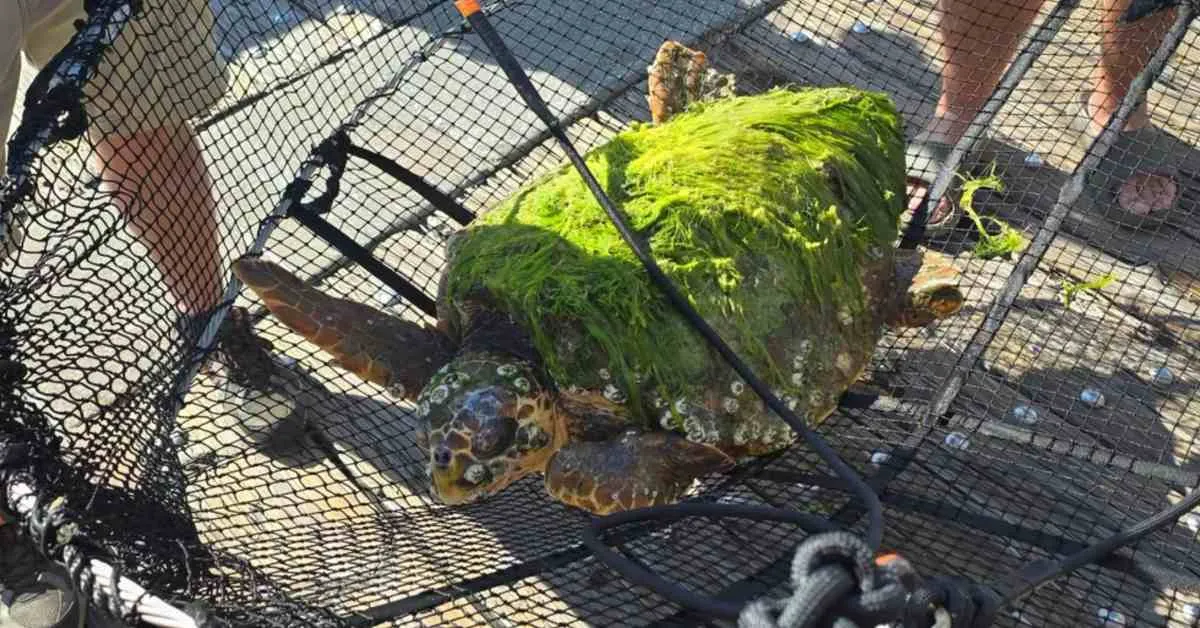
Remember when we thought only a select few animals recognized themselves in a mirror? Add beluga whales to that exclusive club. Footage from 2001, just recently published, shows belugas doing "pec shimmies" and blowing bubbles only when in front of a mirror. Which, if you think about it, is both impressive and slightly terrifying. What other existential crises are marine mammals having?
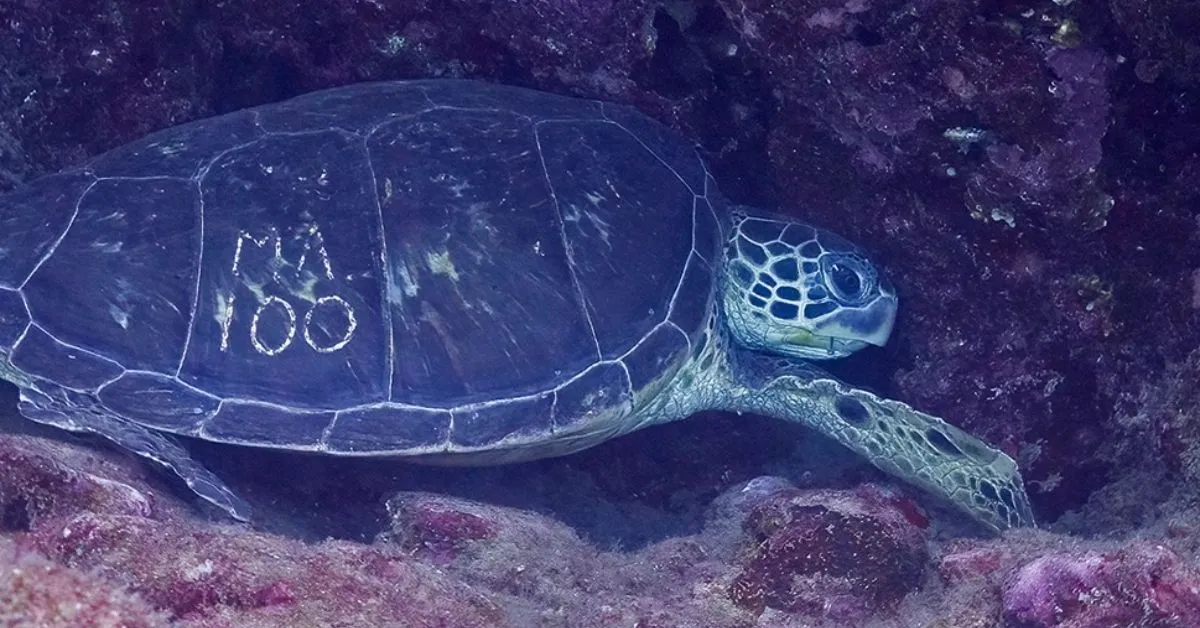
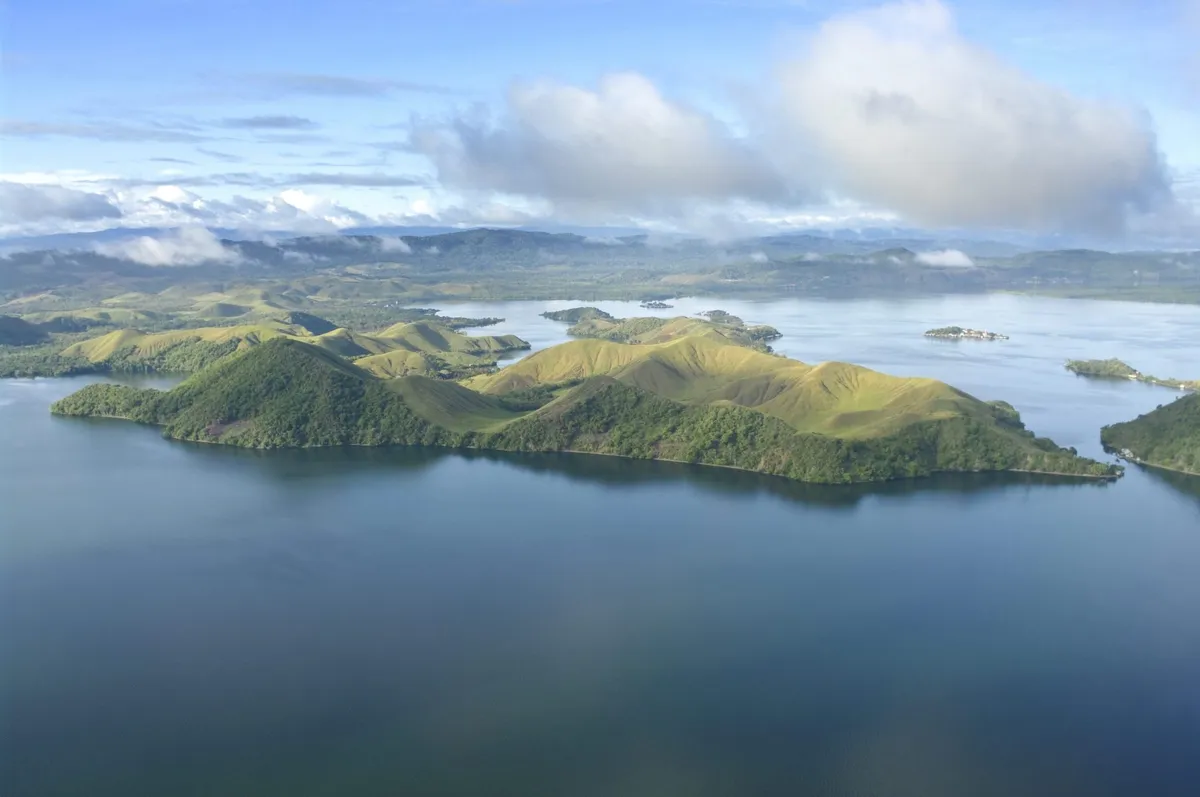
Finally, a win for the oceans: Papua New Guinea has established the largest no-fishing zone in Melanesia, an area nearly the size of the United Kingdom. This sanctuary, within the marine biodiversity hotspot known as the Coral Triangle, is home to hundreds of reef fish and coral species. But here's the clever part: scientists predict it will actually boost surrounding fisheries. Protected areas become so full of life that fish "spill over" into nearby fishing grounds. It's almost like protecting nature is good for everyone. Who'd have thought?