Most sanitary pads are about 90% plastic, which means they’ll be chilling in a landfill for centuries, long after we’re all just dust. And for many women in Nigeria, even these plastic-laden options are hard to come by.
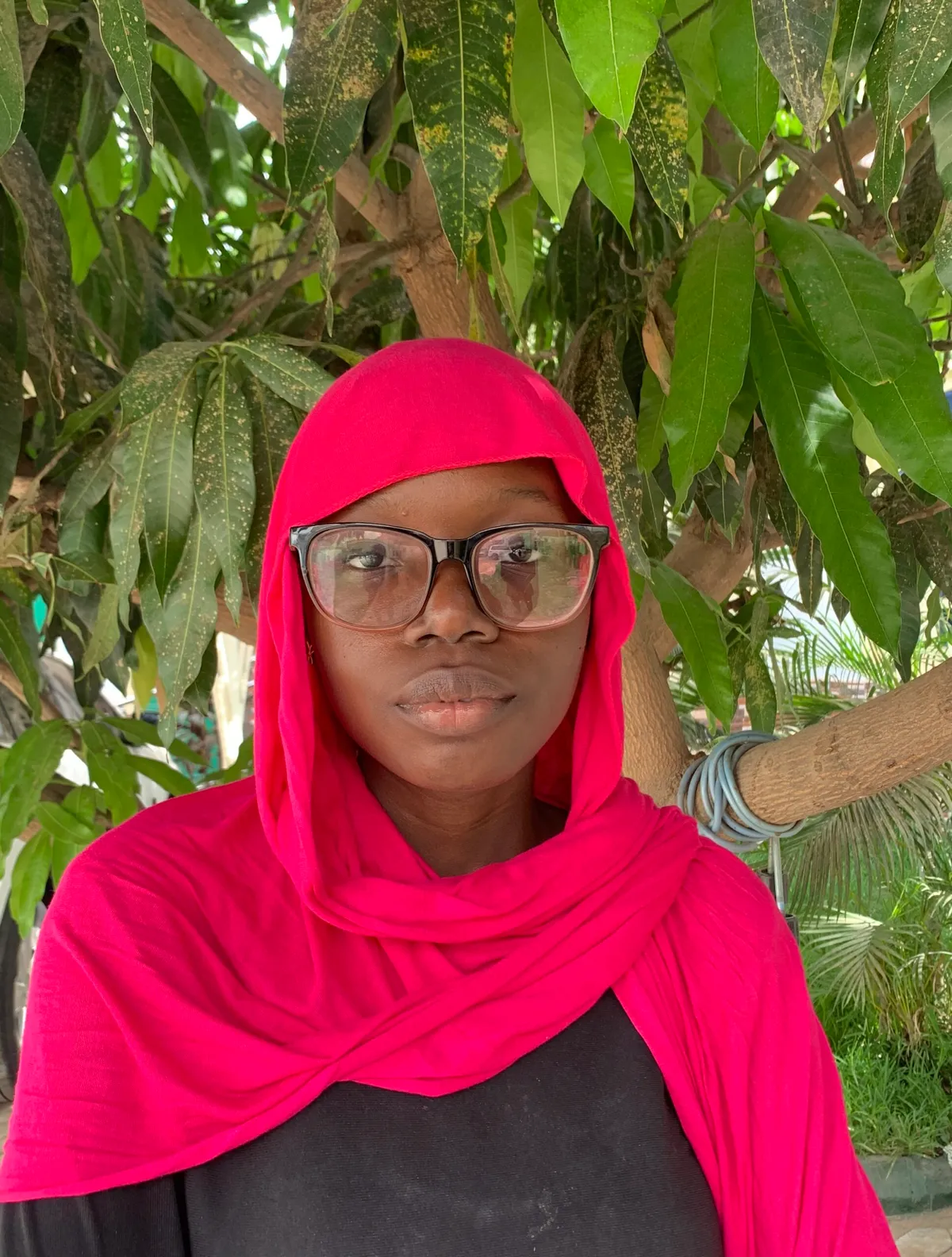
Then there’s Raheema Auwal-Panti, a 15-year-old from Minna, Nigeria, who looked at this problem and thought, “Hold my cassava peels.”

Auwal-Panti decided the solution wasn't just to make pads more accessible, but to make them better. Her mission: “sweep up plastic pollution” by turning agricultural waste into something genuinely useful. And thus, PantiPads was born in 2025.
We're a new kind of news feed.
Regular news is designed to drain you. We're a non-profit built to restore you. Every story we publish is scored for impact, progress, and hope.
Start Your News DetoxNow, if you’ve ever seen a cassava farm, you know there’s a lot of “waste” — peels, banana leaves, corn husks. These aren't exactly glamorous, and if left unchecked, they can cause some serious environmental headaches, polluting water and soil. Auwal-Panti saw not waste, but raw material.
Her ingenious project caught the eye of the Earth Foundation, landing PantiPads a spot as one of 35 global teams in the 2026 Earth Prize. It’s an award for young people tackling environmental challenges, and frankly, turning trash into essential hygiene products feels like a pretty good definition of “tackling.”

So, she’s not just creating eco-friendly pads that break down instead of lingering. She's also tackling the stigma around menstruation, which often keeps girls out of school. Because apparently, solving one massive problem with a clever twist wasn't quite enough.