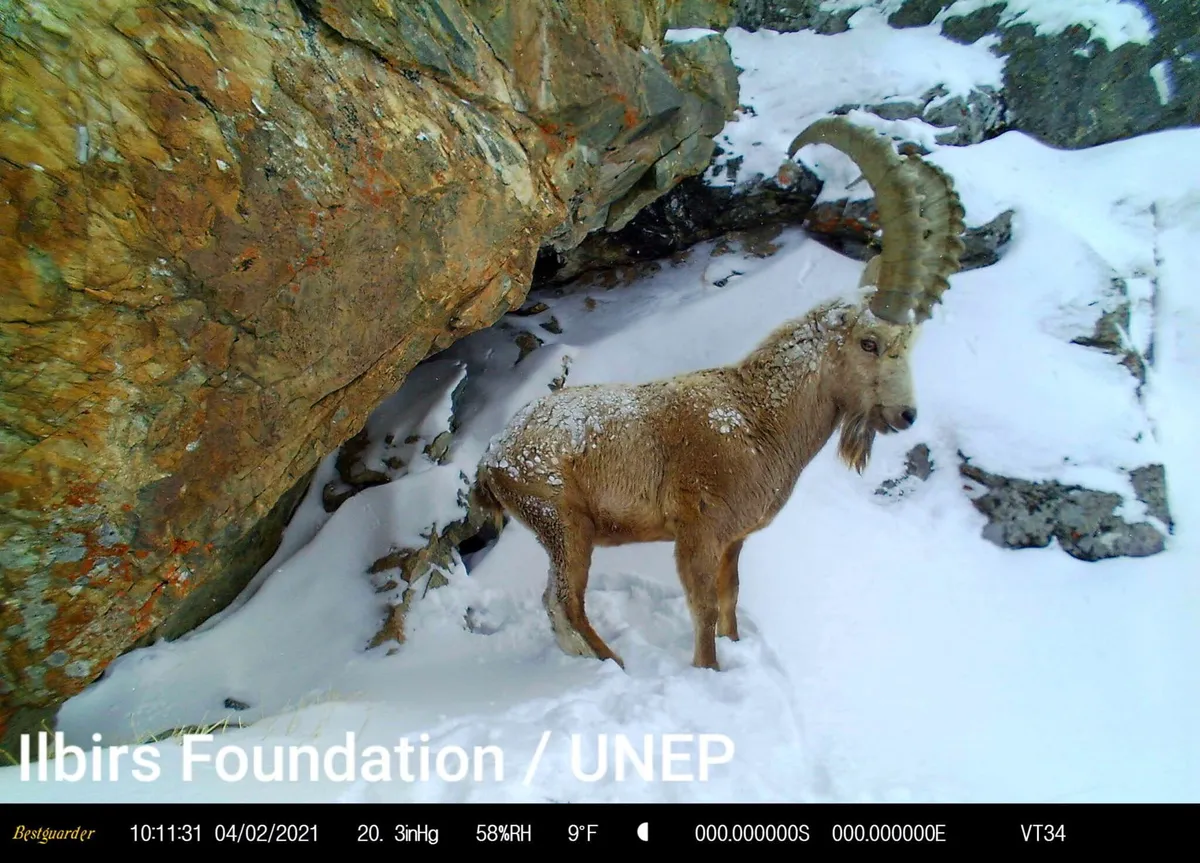
Imagine designing a superhighway for wildlife, but instead of asphalt and concrete, it's made of mountains, forests, and the foresight to outsmart climate change. That's essentially what Kyrgyzstan just did, dedicating a nearly two-million-acre ecological corridor specifically for its elusive snow leopards and other mountain creatures.
Dubbed the Ak Ilbirs (which, fittingly, means 'white leopard' in Kyrgyz), this sprawling protected area was officially recognized in 2025. Its primary directive? To give animals, especially the magnificent Panthera uncia, the space and flexibility to adapt as their habitats inevitably shift due to a changing climate. It’s less a static preserve and more a dynamic migration route, linking existing protected zones, pastures, and forests across 14 rural towns.

Not Your Grandma's Nature Reserve
This isn't your typical, fence-it-off-and-hope-for-the-best conservation effort. The Ak Ilbirs corridor is a brainchild of the Central Asian Mammals and Climate Adaptation (CAMCA) initiative, a collaborative mash-up involving the U.N. Environment Programme (UNEP), the Kyrgyz government, Humboldt University of Berlin, and local groups like CAMP Alatoo and Ilbirs Foundation.
We're a new kind of news feed.
Regular news is designed to drain you. We're a non-profit built to restore you. Every story we publish is scored for impact, progress, and hope.
Start Your News DetoxMurat Zhumashev, director of CAMP Alatoo, put it best: this corridor takes a "regulatory rather than a restrictive approach." Instead of imposing new bans or seizing land, it leans on existing environmental laws, weaving them into a framework that encourages wildlife movement without turning local communities' lives upside down. It’s a subtle but significant distinction.
Scientists from Humboldt University, armed with local insights, climate models, and some serious technical chops, plotted out the corridor. They're playing the long game here, because research suggests over 60% of current snow leopard habitat could be impacted by future climate emissions. So, this corridor isn't just about protecting what's there now; it's about giving these iconic big cats a fighting chance for what's coming next. Which, if you think about it, is both impressive and slightly terrifying.