Ana Mendieta, the artist whose life ended tragically young, has often been reduced to that singular, heartbreaking fact. But a new retrospective at London's Tate Modern is here to tell you: hold my earth-sculpted beer.
The exhibition kicks off not with the somber notes many might expect, but with a surprising burst of homecoming. We're talking about Mendieta's return to Cuba in the early 1980s — her first visits since being exiled as a child refugee in 1961. She made six trips in three years, and the art born from these journeys is where the Tate begins its narrative.
Her "Esculturas Repuestas" (1981) are quite literally carved into the limestone caves and cliffs of Cuba's La Escaleras de Jaruco nature reserve. These aren't just pretty pictures; they're organic, body-like forms, deep earth manipulations, and echoes of Caribbean myths. While Mendieta's work often grapples with themes of sadness and violence, drawing on her exile and feminist views on life's fragility, these pieces radiate a profound sense of belonging. Hopeful, grounded, and utterly at home.
We're a new kind of news feed.
Regular news is designed to drain you. We're a non-profit built to restore you. Every story we publish is scored for impact, progress, and hope.
Start Your News DetoxA Body of Work, Not Just a Biography
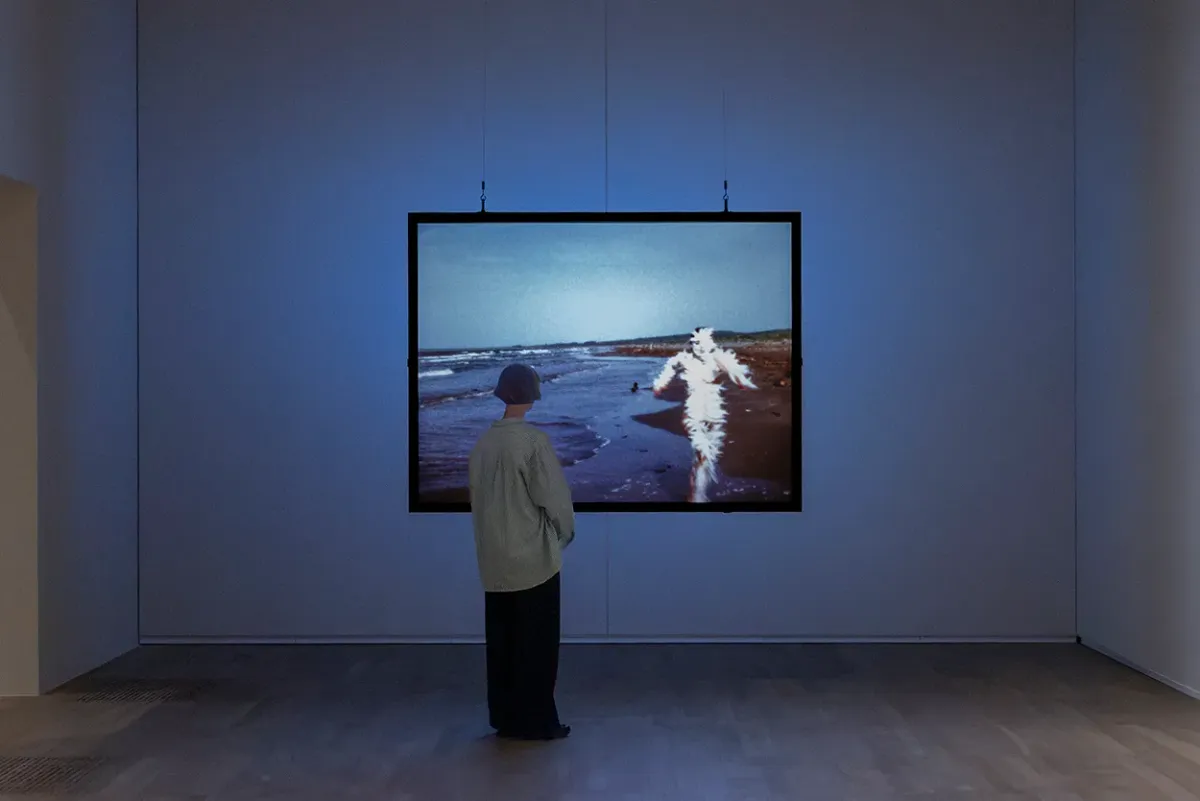
In the very first gallery, you'll find Ochún (1981), Mendieta's final film. It's a mesmerizing loop of the bright turquoise Florida sea, waves gently washing over an outline of her body sculpted from the earth in the shallows. It's a poignant, almost spiritual embrace of her connection to the land and water.
This curatorial choice — starting with works from the end of her life, and on such a joyful, rooted note — is a deliberate, powerful statement. The show wants you to see Mendieta first as an exile who found a meaningful homecoming, an experience that propelled her art to new depths. For many British viewers, this will be their introduction to an artist long revered as a feminist icon in the United States.
The Tate exhibition largely sidesteps the sensational details of Mendieta's life, including the specifics of her childhood expulsion from Cuba. While some might call this evasive, it's a bold move to let the art speak for itself. Because, let's be honest, women artists often have their work overshadowed by their personal stories – the activism, the relationships, the patriarchal violence. Biography can, and often does, consume a woman's artistic identity. This exhibition asks: what if Mendieta's work stands alone?
Her most famous creations, the "Siluetas" (circa 1973–80), are ghostly, tender, and often wound-like imprints of her body on the earth. You'll see photographs of her outline in creek mud, etched in snow against a tree, framed by branches and flowers, or dissolving into beach sand as waves reclaim it. One installation of these temporary silhouettes has even been meticulously rebuilt for the show, guided by her niece, Raquel Cecilia Mendieta.
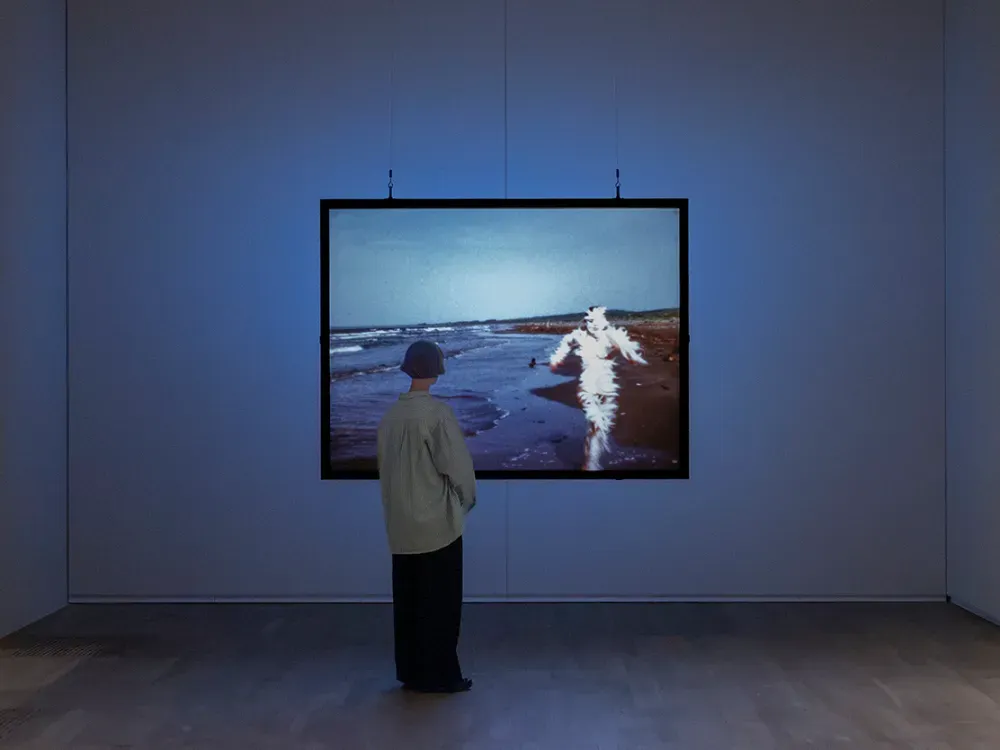
Later, Mendieta incorporated fire. In Silhueta de Cohetes (Firework Piece) from 1976, she created a Mendieta-shaped crucifixion, studded it with fireworks, and filmed it burning. It's an image that simultaneously evokes the violence of the Passion of Christ and the horror of lynchings in the American South. In another film, she covers herself in blood, rolls in feathers, and rises like a phoenix — a powerful, primal bird-woman.
Among the more explosive works, you'll find quieter moments. One standout, Untitled (Soul) from around 1973, records young students in Iowa pondering the nature of the soul. Their faint, disembodied voices offer up musings like "I think it's all over you" and "I think it's pink with purple polka dots!" It's a tender, unexpected glimpse into Mendieta's role as both teacher and student, exploring life's biggest questions with a childlike wonder.
"I don’t think that you can separate death and life," Mendieta famously said in a 1984 interview. Her work is a constant, urgent exploration of this "both-ness," the impossibility of one without the other. It reflects on the fleeting time we have to truly grasp what it means to be alive and to create. Her art is filled with ghosts, yes, but also with an undeniable, vibrant pulse. For Mendieta, death isn't an end. It's just another dance partner in the breaking waves and rustling leaves that gave her art its profound, enduring meaning.