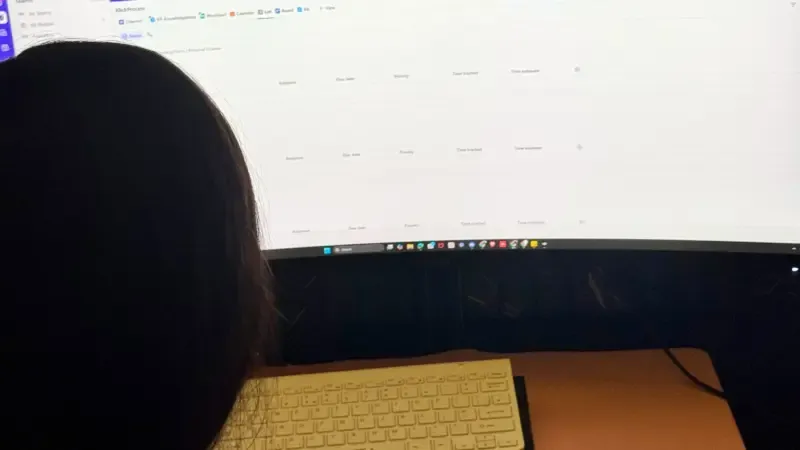
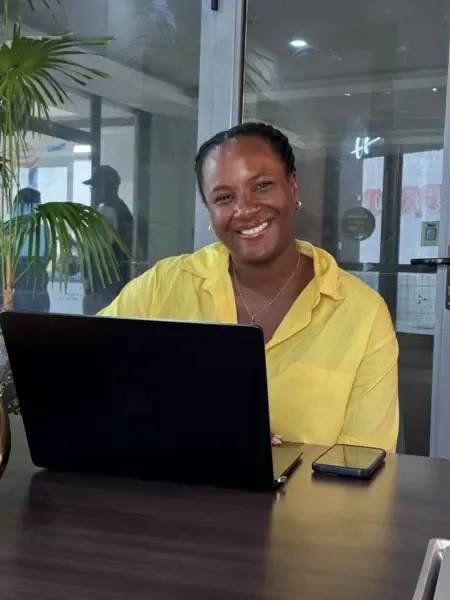
Imagine earning 12 times your country's minimum wage, all from your laptop in your living room. That's exactly what Vivian, an operations manager in Lagos, Nigeria, does every day. She works for startups in the U.S. and Singapore, connecting to the world without ever leaving home. This isn't just a cool story; it's a quiet revolution. Vivian is part of a growing movement of African women who are tapping into the global gig economy, changing their lives and challenging old ways of working.
Driving Their Own Way
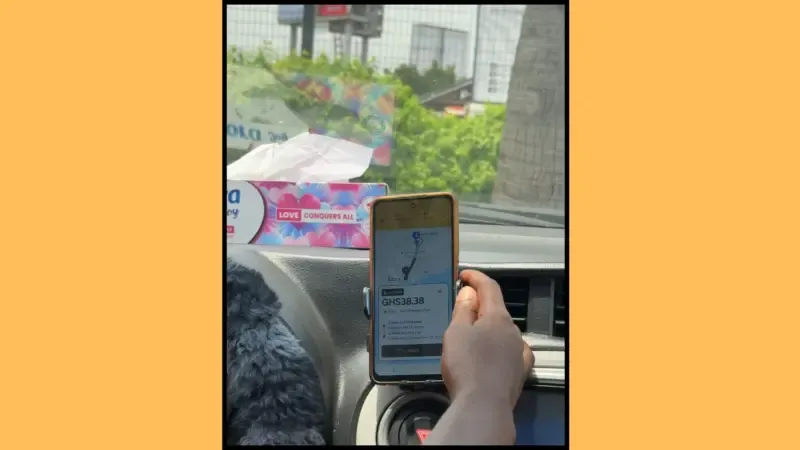
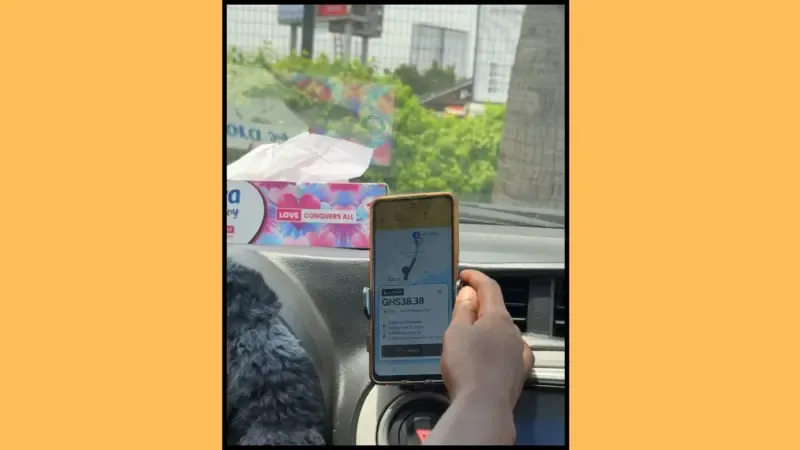
Take Diana Akumkadoa in Accra, Ghana. She starts her car at 6 a.m., driving for a ride-hailing app. Women drivers are still pretty rare there, so her passengers are often surprised. But that surprise quickly turns into conversation.
Diana might drive 14 hours some days. Other days, she heads home early if rides are slow. The job gives her freedom to work around her child's school schedule. Even with costs like fuel and platform fees, she says it lets her "earn on her own terms." That's a huge win for independence.
We're a new kind of news feed.
Regular news is designed to drain you. We're a non-profit built to restore you. Every story we publish is scored for impact, progress, and hope.
Start Your News Detox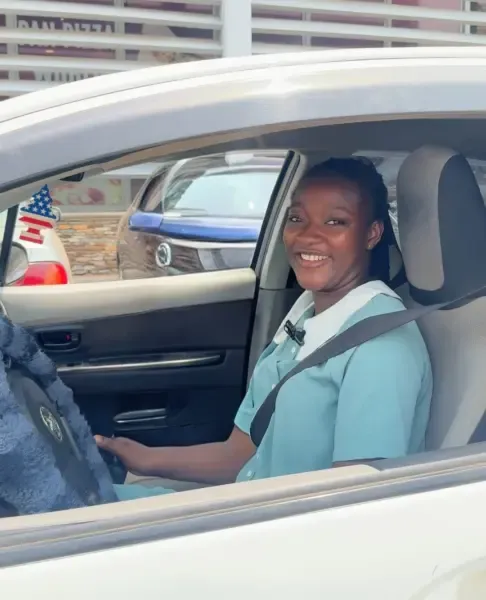
The Gig Economy Takes Off
This trend really kicked off around 2015 when smartphones became common across Africa. Then the pandemic hit in 2020, pushing even more people online for work. Now, over 21 million Africans make money from gig work, and that number grows about 11% every year. Think about that: millions of people connecting to jobs they couldn't access before.
Cities like Lagos, Accra, and Nairobi are booming hubs for both local delivery gigs and digital jobs like coding and design. In Nigeria, a whopping 35% of young people freelance. Women are a big part of this growth, making up about 27% of the online gig workforce on the continent. That's a huge shift.
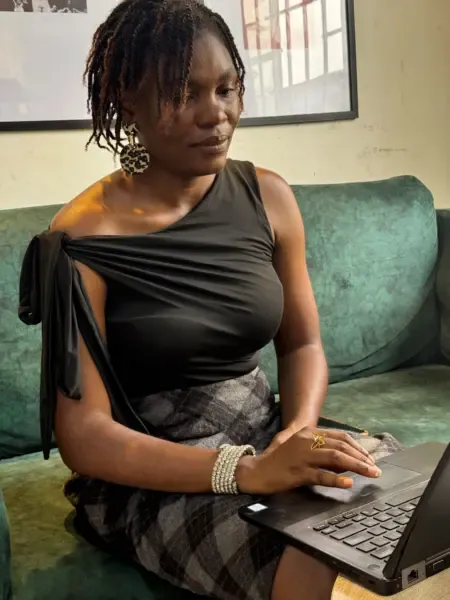
Cindy Sally is another example. She leads a finance team for a U.S. firm, all from a co-working space in Accra. After leaving a tough local job, she found clients on platforms like Upwork. Now she earns in dollars while living in Ghana. This is what a truly global workforce looks like.

Of course, it's not all easy. Platforms take a cut, sometimes 10–15% of earnings. And you need good internet. Faith Abiodun Uwaifo, a virtual assistant from Nigeria, works with clients in the U.S., Canada, and the UK. She upgraded to 5G just to keep up. She also faces stereotypes, saying, "Sometimes you feel like you’re fighting stereotypes before you even start the job."

Despite the hurdles, Faith calls the experience transformative. It's changing how she sees work and what's possible. For millions of African women, gig work means they can build global careers without needing permission. They're connecting to the world, earning good money, and proving that talent knows no borders. That's pretty wild.