Chemistry has a patience problem. It took nearly fifty years of theoretical work and experimental dead-ends before anyone could actually build what researchers had been sketching on notepads since the 1970s: a five-atom silicon aromatic ring.
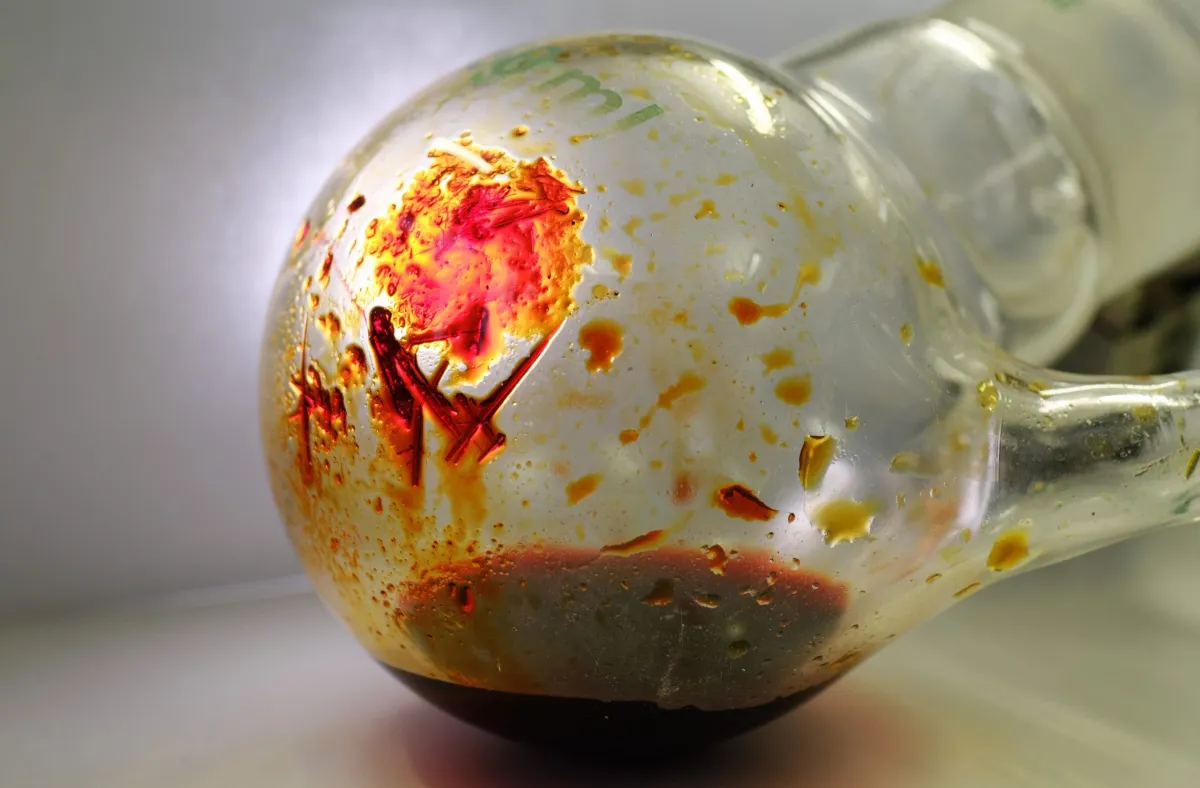
Last month, a team at Saarland University finally did it. David Scheschkewitz, his doctoral student Ankur, and Bernd Morgenstern created a compound called pentasilacyclopentadienide — and in doing so, they solved one of those problems that seems obscure until you realize how many everyday things depend on it.
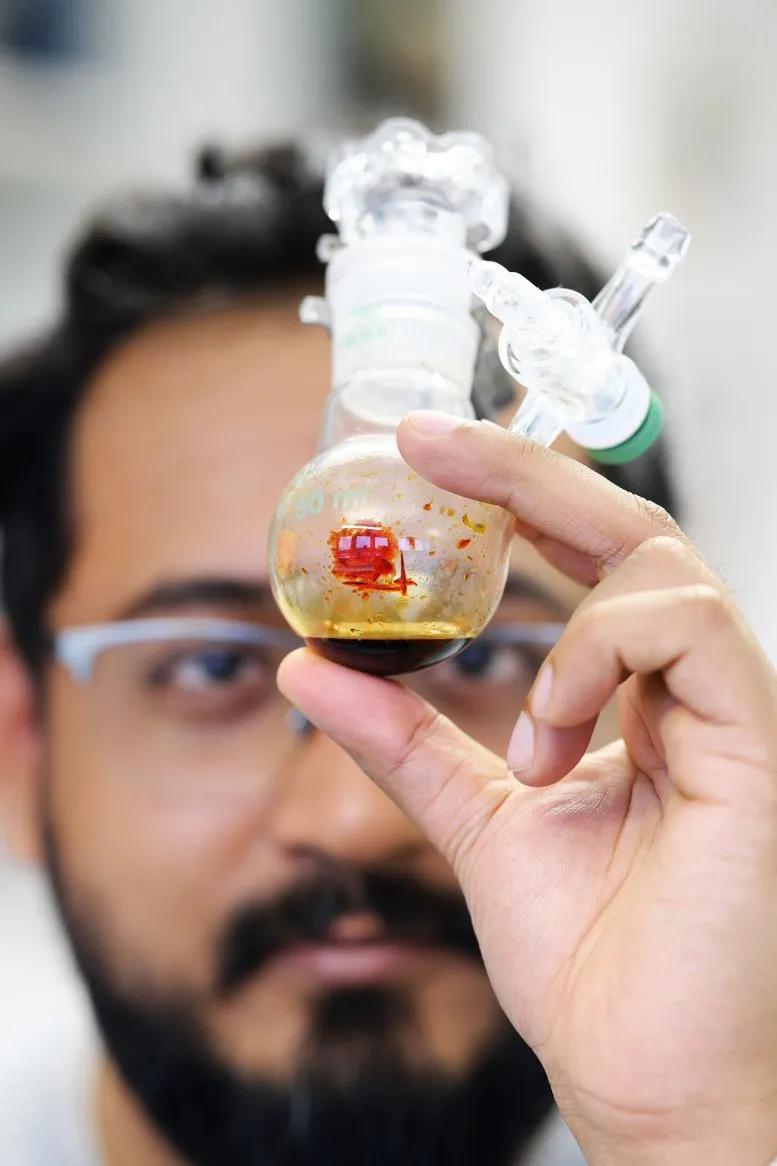
The breakthrough sounds simple in hindsight: take an aromatic compound (the kind that makes plastics stable and helps industrial catalysts work better), and swap out the carbon atoms for silicon. But "simple" and "possible" turned out to be very different things. Silicon clings to its electrons differently than carbon does — more loosely, more metallically. That chemical difference meant every previous attempt failed. The stability that made aromatics so useful seemed to vanish the moment silicon entered the picture.
We're a new kind of news feed.
Regular news is designed to drain you. We're a non-profit built to restore you. Every story we publish is scored for impact, progress, and hope.
Start Your News DetoxWhy this took so long
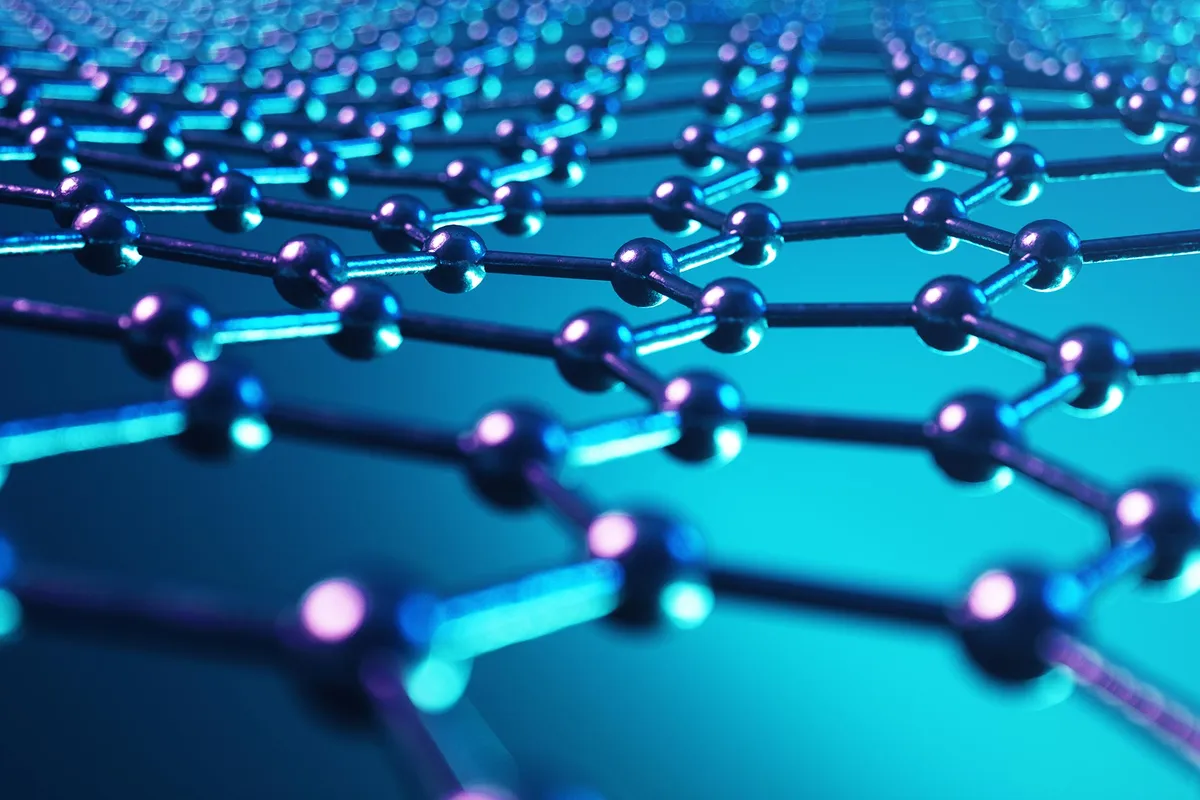
Aromatic molecules owe their stability to a quirk of geometry and electron behavior. When five carbon atoms arrange themselves in a perfectly flat ring, their electrons spread evenly around the structure instead of clinging to individual atoms. This even distribution — governed by something called Hückel's rule — gives the whole molecule an unusual strength. It's why aromatics show up everywhere from plastics to pharmaceuticals.
Silicon, being more metallic, doesn't want to play by those rules. For decades, researchers could only point to one confirmed silicon aromatic: a three-membered ring created back in 1981. Every attempt to build a larger one — a four-atom ring, a five-atom ring — failed. The geometry wouldn't hold. The electrons wouldn't cooperate.
Then Scheschkewitz's team cracked it. They synthesized a five-atom silicon ring that actually satisfies all the strict criteria for aromaticity. The result is published this week in Science.

Here's the unexpected part: a team at Tohoku University in Japan reached the same compound at almost exactly the same time. Neither group knew the other was working on it. Both papers appear side by side in the same issue of Science.
What happens next matters more than the breakthrough itself. Silicon aromatics could unlock entirely new materials and industrial processes — the kind of thing that sounds abstract until it shows up in a battery, a catalyst, or a polymer that didn't exist five years earlier. The door is open now. The hard part — proving it was possible at all — is done.