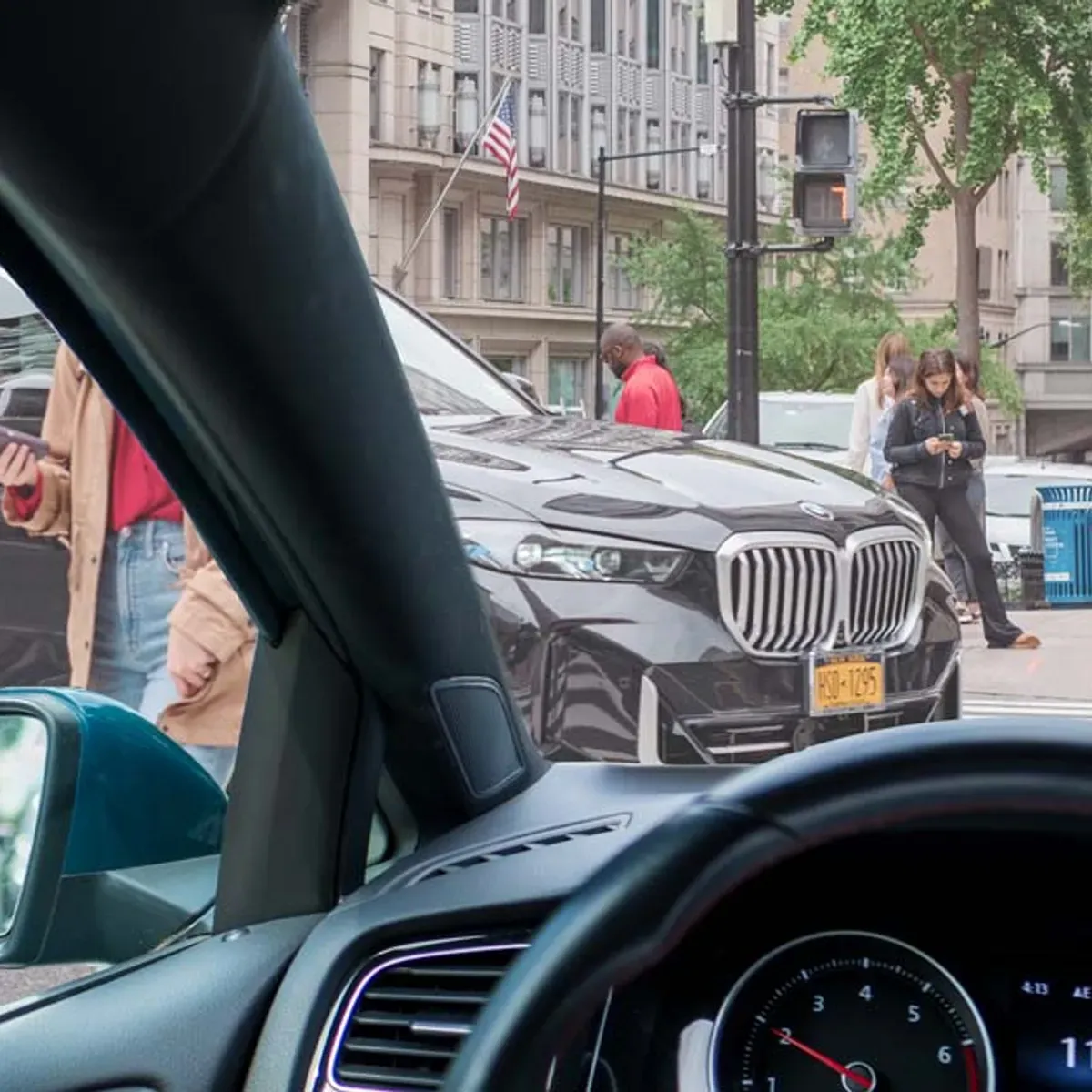
For years, breaking a traffic law in Dhaka, Bangladesh, was often a matter of a quick chat, a small bribe, or just plain luck. Those days? Rapidly becoming ancient history.
Since May 7, 2026, Dhaka's main roads have been under the unblinking eye of AI cameras. The Dhaka Metropolitan Police (DMP) installed these digital enforcers at key intersections, running a system charmingly named the “AI-Based Road Transport Act 2018 Violation Detection System.” Now, if you break a rule, your phone pings with a violation notice within hours. Because apparently, that's where we are now.

This marks Bangladesh's first fully automated digital traffic enforcement system, filing cases without a single human finger needing to be lifted. It's efficiency, personified by a lens.
We're a new kind of news feed.
Regular news is designed to drain you. We're a non-profit built to restore you. Every story we publish is scored for impact, progress, and hope.
Start Your News DetoxHow Your Car Gets Snitched On
Run a red light, cross a stop line, or block a left lane, and an AI camera instantly scans your number plate. A case is created, a short video is recorded, and the system cross-references with the Bangladesh Road Transport Authority (BRTA) database to find the vehicle owner. Then, boom, notice sent. You can even watch the incriminating footage online, just in case you wanted to relive the moment you tempted fate.
As Golam Rasul, a former head of the Police Special Branch, dryly observed on Facebook, this AI camera has “no mind, no feelings, no mercy.” It just knows the rules and your license plate. Which, if you think about it, is both impressive and slightly terrifying.
In just ten days, the DMP reported over 1,000 cases filed. They plan to have fully automated enforcement across Dhaka within six months, largely phasing out manual case filing. And here’s the kicker: the vehicle owner is responsible for any violation, no matter who's driving. Points are deducted from the owner’s license, and if you hit zero from the initial 12, your license is canceled. Ouch.
The Mixed Bag of Digital Justice
Unsurprisingly, social media groups like Traffic Alert (with over 447,000 members) are buzzing. Many are thrilled. One private driver, Osman Gani, noted that people are now actually wearing seat belts, making roads feel safer. Because nothing encourages compliance like the threat of an immediate, unfeeling fine.
But it’s not all sunshine and perfectly obeyed traffic laws. Criticisms abound. Ismail Hossain from the Dhaka Traffic Alert group pointed out that while private cars are getting pinged, what about buses stopping wherever they please or rickshaws going the wrong way? Fair is fair, after all. Omar Faruk added another layer: pedestrians frequently jaywalk, forcing cars to inch forward. Why should the car owner be penalized if the camera targets them in that scenario?

Then there are the scammers, because of course there are. They’ve already started calling vehicle owners, falsely claiming violations to demand money. The DMP has issued warnings: only pay through official banking channels. And for a brief, glorious moment, a photo of a supposedly stolen AI camera went viral, before it was discovered to be a traffic light that had merely fallen over in strong winds. Because even AI needs to contend with physics.
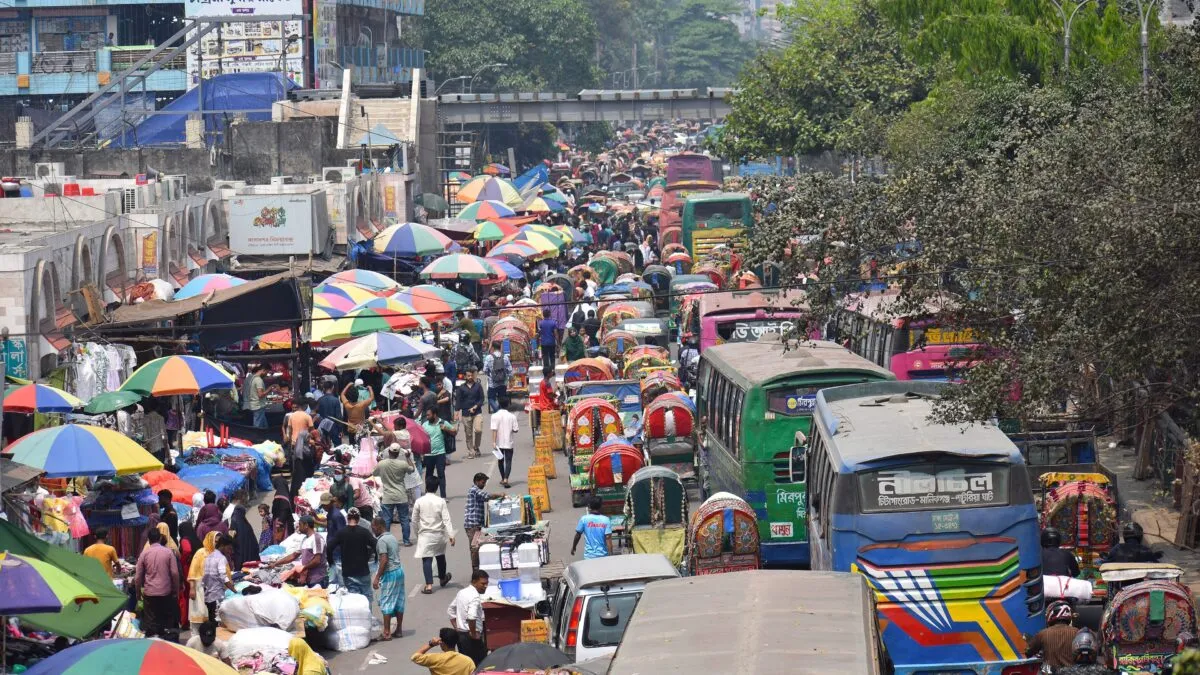
Perhaps the biggest challenge for Dhaka's new digital overlords? Unregistered vehicles. Manual and battery-powered rickshaws often operate without license plates, making them utterly invisible to a system that relies on scanning plates and matching them to a database. The DMP hasn't yet explained how these ghost vehicles will be handled, a question that keeps popping up in those bustling Facebook traffic groups. Because technology, it seems, can't solve every problem — especially when some problems don't have plates to begin with.
Professor B M Mainul Hossain from the University of Dhaka summed it up: success hinges on transparency, the right to appeal, and a clear policy for those unregistered vehicles. AI cameras are a good start, he says, but they're not a magic bullet. And if that's not a dry observation worthy of a nod, what is?