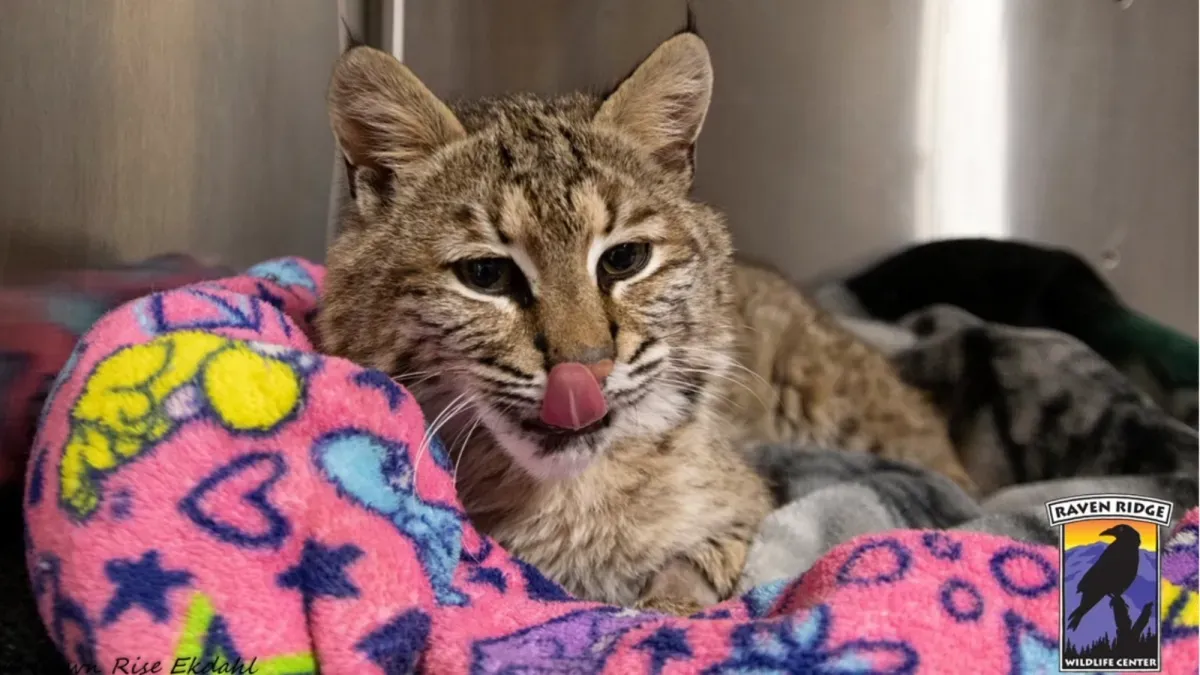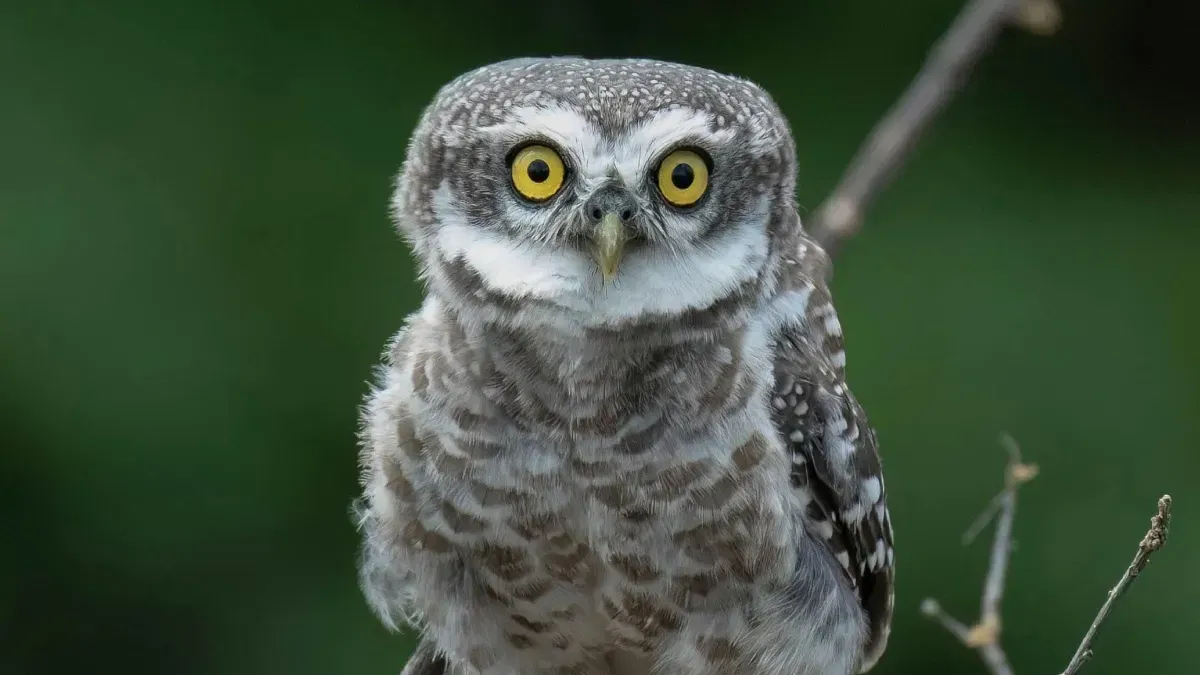
A saw-whet owl—small enough to fit in your palm—showed up on a New England woman's driveway in distress. She called Newhouse Wildlife Rescue, who assessed the bird and realized it needed specialized care. They transported the owl to Cape Ann Wildlife, a nearby sanctuary.
What happened next wasn't dramatic. It was just people doing what they'd always done: helping.
But the timing mattered in ways that became clear only after the owl arrived.
When Help Circles Back
Jodi, the founder of Cape Ann Wildlife, had recently undergone surgery for lung cancer. She was still recovering, still processing a diagnosis that changes everything. Yet when the injured owl came through the door, she was there—wrapping the bird's injured wing, offering the same care she'd given to thousands of animals over the years.
We're a new kind of news feed.
Regular news is designed to drain you. We're a non-profit built to restore you. Every story we publish is scored for impact, progress, and hope.
Start Your News DetoxNewhouse Wildlife, which had sent countless birds to Cape Ann over the years, saw an opportunity in this moment. They posted about the owl's arrival on Facebook alongside a plea: Cape Ann's funds were critically low, and they didn't have bandwidth for a major fundraising push while caring for animals and supporting their founder through treatment.
The response was swift and substantial. Within weeks, a GoFundMe campaign raised over $19,000—not because of a viral moment, but because a community recognized what Jodi's work had meant to them. People who'd brought injured animals to Cape Ann, who'd watched the sanctuary patch up hawks and owls and songbirds, understood what was at stake if the organization ran out of resources.
There's a particular kind of reciprocity at work here that goes beyond the simple "good begets good" narrative. Jodi didn't help the owl expecting anything in return—she was doing what she always does, even while managing her own health crisis. But the owl's arrival created a visible moment for a community to acknowledge years of invisible labor. Wildlife rehabilitation is unglamorous work: it's early mornings, financial uncertainty, and the knowledge that some animals won't make it. Sanctuaries like Cape Ann operate on shoestring budgets because there's no profit in saving a bat or a songbird.
What shifted wasn't Jodi's character or the community's capacity for kindness. What shifted was visibility. The owl made the work tangible. It gave people a concrete way to say: we see what you do, and it matters.
The owl is expected to recover. Cape Ann Wildlife now has breathing room—literally and figuratively. And somewhere in the middle of her own recovery, Jodi can keep doing what she's always done.